A timber privacy screen transforms your outdoor space into a personal retreat while adding real value to your property. We at Home Owners Association know that the right timber privacy screen ideas can solve common problems like noise, wind exposure, and lack of seclusion.
Whether you’re drawn to modern horizontal slats or traditional vertical boards, timber screens offer both style and function. This guide walks you through design options, installation basics, and long-term maintenance so your investment lasts for years.
Timber Privacy Screen Styles and Designs
Horizontal Slat Screens for Modern Aesthetics
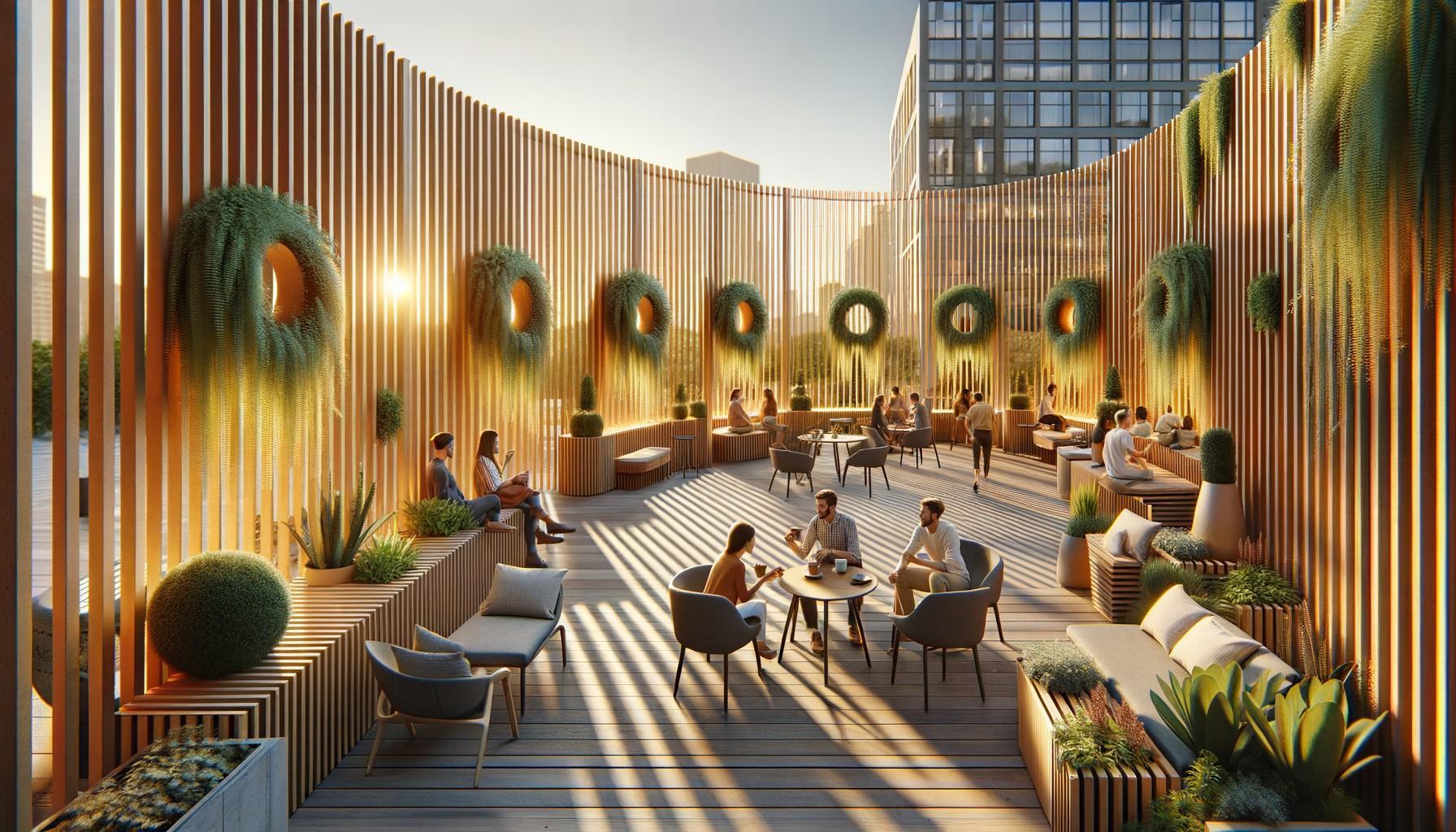
Horizontal slat screens dominate modern outdoor spaces because they work. Dark or black timber creates a bold contemporary look that pairs exceptionally well with greenery and planters, according to design features in Home Beautiful magazine. The spacing between horizontal slats matters more than most homeowners realise-wider gaps filter light while maintaining privacy, whereas tighter spacing blocks views completely but reduces airflow. Many properties use mixed spacing: denser sections near seating areas and more open panels toward garden views deliver the best balance.
Vertical Boards and Compact Patio Solutions
Vertical narrow slat screens take the opposite approach, dividing compact patios without consuming visual space. They work particularly well for front-yard applications where you need kerb appeal alongside privacy. Traditional vertical board fencing appeals to homeowners wanting established aesthetics, though it tends to feel heavier and more enclosed than horizontal alternatives.
Lattice and Decorative Patterns
Lattice and decorative pattern options offer flexibility for those unwilling to commit to solid screening. These designs reduce wind load on your structure, meaning lower installation costs and less stress on posts during storms. Apartment Therapy features lattice combinations that integrate planter boxes directly into the frame, creating living privacy walls with climbing plants like clematis, wisteria, and honeysuckle. This approach solves two problems simultaneously: you get privacy and year-round garden interest without additional landscape work.
Material Selection and Durability
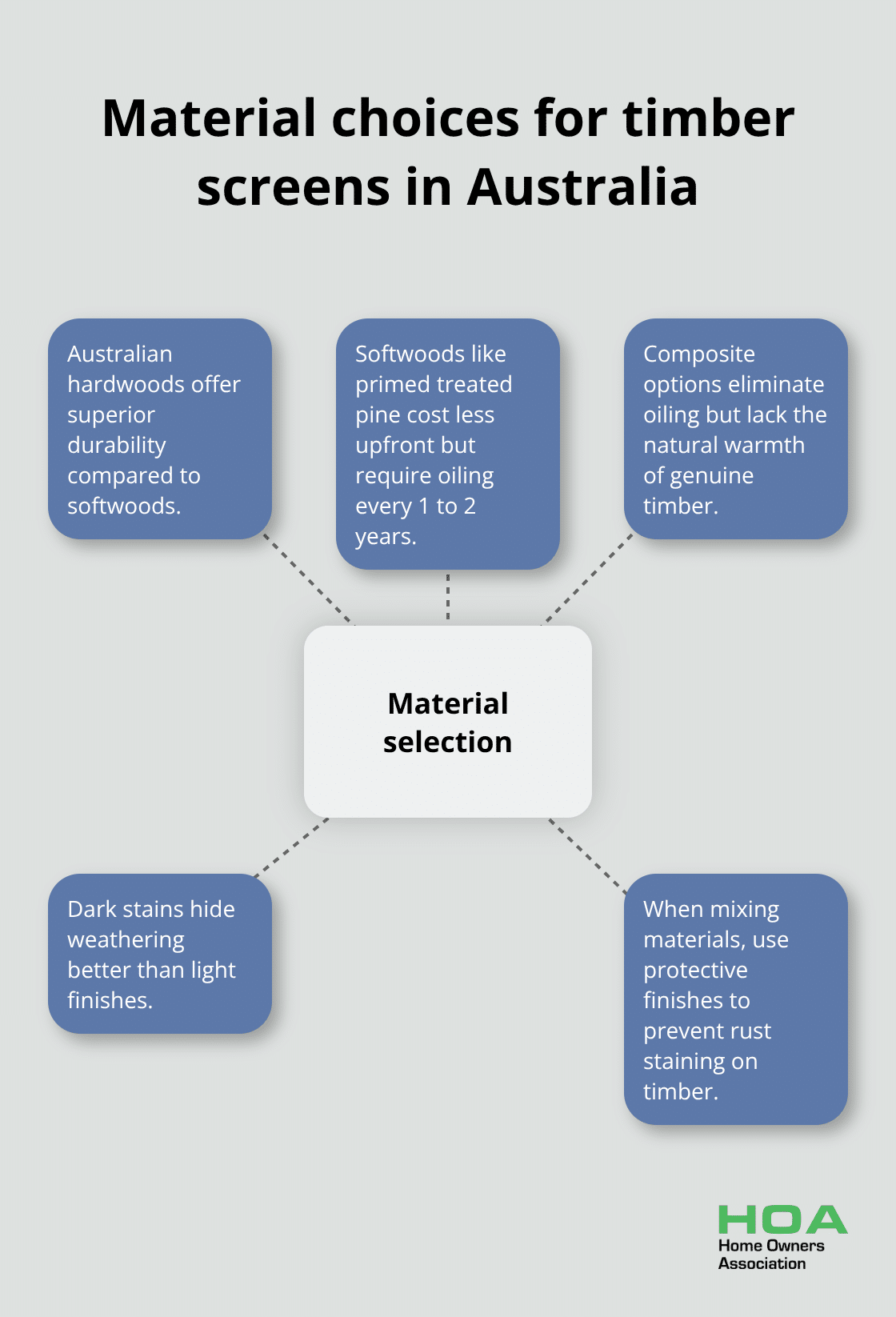
Material selection directly impacts longevity and maintenance frequency. Australian hardwoods including Spotted Gum, Blackbutt, and Merbau offer superior durability compared to softwoods. Softwoods like primed treated pine cost significantly less upfront but require oiling every 1 to 2 years to prevent rot and weathering. Composite options using recycled wood fibres and plastic eliminate oiling entirely, making them ideal for busy homeowners, though they lack the natural warmth of genuine timber. Dark stains hide weathering better than light finishes, reducing visible maintenance between treatments. If you mix materials-timber with galvanised steel posts or powder-coated metal accents-ensure all metals receive protective finishes to prevent rust staining on timber surfaces.
Installation Specifications and Local Compliance
Spacing calculations matter for installation success. Common batten sizes run 55x19mm, 42x19mm, or 80x19mm depending on your desired opacity and visual texture. Try spacing battens at 10 to 15 centimetre intervals for maximum density, while 20 to 30 centimetre gaps provide moderate privacy with better light penetration. Most municipalities cap privacy screen heights at 1.80 metres for front yards, though this varies by state and local council. Always verify your local development plan before purchasing materials, as exceeding height restrictions forces removal and reinstallation costs. A proactive conversation with neighbours prevents tension before installation begins, and checking with your local administrative office confirms which regulations apply to your property.
Installation and Maintenance Tips
Foundation and Post Installation
The foundation determines whether your timber screen lasts 5 years or 20 years. Elevate the frame at least 100mm off the soil to allow water drainage and air circulation underneath-this single decision prevents rot faster than any treatment. Post holes must reach 600mm deep minimum, set in concrete footings that extend 150mm above ground level. Galvanised steel posts paired with timber frames resist rust staining that bleeds onto your screening, and powder-coated finishes add another protective layer.
Batten Spacing and Fastening Techniques
Spacing battens at 10 to 15 centimetre intervals delivers maximum density, while 20 to 30 centimetre gaps provide moderate privacy with better light penetration. Tighter spacing demands more material but delivers superior privacy immediately-looser spacing saves money upfront but feels less private until climbing plants mature. Use 4x50mm screws rated for outdoor timber, as nails loosen over time from wood movement.

A 22mm drill bit creates pilot holes that prevent splitting during installation. Composite screening eliminates this maintenance entirely but costs 40 to 60 per cent more than timber alternatives, making it suitable only for properties where your time holds greater value than materials.
Seasonal Treatment and Weather Protection
Softwoods like primed treated pine require oiling every 1 to 2 years during autumn before winter weather arrives-this timing matters because oiling damp timber traps moisture inside. Australian hardwoods like Spotted Gum and Merbau need treatment only every 3 to 4 years, representing significant time savings over a 20-year lifespan. Dark stains hide weathering better than light finishes and reduce visible maintenance between treatments. Repairs cost nothing if caught early-check for soft spots in the frame using a screwdriver every spring, and replace individual battens rather than waiting until structural failure forces complete reconstruction.
Annual Inspections and Cost-Effective Upkeep
Galvanised fasteners corrode eventually, so inspect metal components annually for rust bloom and replace them with new galvanised screws to prevent staining. Cost-effective upkeep means spending 2 to 3 hours annually on maintenance rather than accepting expensive replacements later. These regular inspections reveal whether your screen performs as intended or whether design adjustments could improve privacy and durability. Once you understand your maintenance rhythm, you can plan for property enhancements that complement your timber screen investment.
How Timber Screens Transform Your Outdoor Space
Creating Defined Outdoor Zones
Timber privacy screens reshape how you use your outdoor areas far beyond simply hiding unsightly views. A well-positioned screen creates distinct zones without permanent walls, allowing you to carve out an entertainment area, a quiet reading nook, or a sheltered dining space from a single yard. The psychological impact matters here: enclosed spaces feel intentional and valuable, which is why properties with defined outdoor rooms command higher prices. Real estate data shows that homes with developed outdoor entertaining spaces can boost property value by as much as 30 per cent. Horizontal screens work best for this purpose because they maintain sightlines across your property while still creating a sense of separation. If you position screens strategically around a patio or pool area, you effectively create an outdoor room that extends your living space without expensive construction. Dark timber screens anchor these zones visually, making even modest outdoor areas feel designed rather than accidental.
Boosting Property Value and Kerb Appeal
The property value argument extends beyond psychology into measurable returns. Kerb appeal improvements consistently rank among the highest ROI home upgrades, with outdoor enhancements returning 50 to 80 per cent of their cost at resale. A modern timber screen visible from the street signals that you maintain your property carefully, which influences buyer perception before they even enter your home.

This visual signal matters more than most homeowners realise-it sets expectations about the quality of work throughout the entire property. Potential buyers notice these details immediately, and that first impression shapes their willingness to proceed with an inspection.
Reducing Noise and Wind Exposure
Noise reduction provides a tangible benefit that justifies the investment on its own. Timber screens absorb sound frequencies between 250 and 2000 Hz, the range where neighbourhood noise typically occurs. Wind protection reduces turbulence around seating areas, making outdoor spaces usable even on blustery days when unscreened yards feel uncomfortable. Post-installation, you’ll notice your outdoor entertaining increases simply because conditions feel more pleasant. This increased usage translates to better mental health outcomes, which property owners understand intuitively even if they don’t quantify it. The combination of improved aesthetics, faster property sales, noise reduction, and wind protection means your timber screen investment pays dividends across multiple dimensions simultaneously.
Final Thoughts
Timber privacy screen ideas deliver measurable returns across design, functionality, and property value simultaneously. Your choice extends far beyond aesthetics-horizontal slats, vertical boards, and lattice designs each solve specific problems while shaping how you experience your outdoor space. Dark timber creates contemporary appeal, material selection determines maintenance frequency, and proper installation ensures your investment performs for decades rather than years.
Properties with defined outdoor entertaining spaces command higher resale prices, with improvements returning 50 to 80 per cent of their cost at resale. You gain immediate benefits beyond financial returns: noise reduction in the 250 to 2000 Hz range where neighbourhood sounds occur, wind protection that makes outdoor areas usable year-round, and psychological benefits from creating intentional zones within your property. These advantages accumulate over time, making your outdoor space genuinely valuable rather than merely decorative.
Starting your timber screen project requires three concrete steps: verify local height restrictions and development plans with your council, select materials based on your maintenance tolerance (Australian hardwoods like Spotted Gum demand treatment every 3 to 4 years while softwoods require annual oiling), and plan your installation timeline around weather conditions and neighbour communication. Contact us for expert guidance to ensure your timber screen installation meets the highest standards while maximising your savings on materials and labour.