Your home’s foundation is literally what everything else rests on. When cracks appear or settlement occurs, concrete foundation reinforcement becomes the difference between a minor repair and a major structural problem.
We at Home Owners Association know that foundation issues catch most homeowners off guard. The good news is that modern reinforcement methods can stop damage in its tracks before it spreads.
Why Foundation Problems Demand Your Attention Now
Signs That Your Foundation Has Shifted
Foundation damage doesn’t announce itself with a warning label. Most homeowners notice something is wrong only after visible signs appear inside or outside their property. Horizontal cracks wider than 1/4 inch, stair-step cracking in brick or mortar, doors and windows that stick or won’t close properly, and gaps between walls and ceilings all signal that your foundation has shifted. Water seeping into basements or crawl spaces, uneven floors, or visible bowing in basement walls indicate serious structural movement. The Australian Bureau of Statistics reports that foundation-related repairs rank among the most expensive home maintenance issues homeowners face, often exceeding $10,000 when left untreated. Acting quickly when you spot these warning signs makes the difference between a contained repair and a catastrophic structural failure that threatens your entire home’s integrity.

The Financial Impact of Delayed Repairs
Ignoring foundation problems costs you money-sometimes far more than you expect. A small crack that costs $2,000 to repair today can develop into foundation failure requiring substantial repair work within just a few years. Water infiltration from foundation cracks leads to mould growth, which creates health hazards and adds thousands to remediation costs. Your home’s resale value plummets when buyers discover foundation issues during inspections (most purchasers demand significant price reductions or walk away entirely). Insurance companies often refuse to cover damage caused by foundation problems that existed before a claim, leaving you personally liable for all repair costs. The longer you wait, the more structural damage spreads through your home’s framing, walls, and roof systems.
How Foundation Stability Affects Your Home’s Worth and Safety
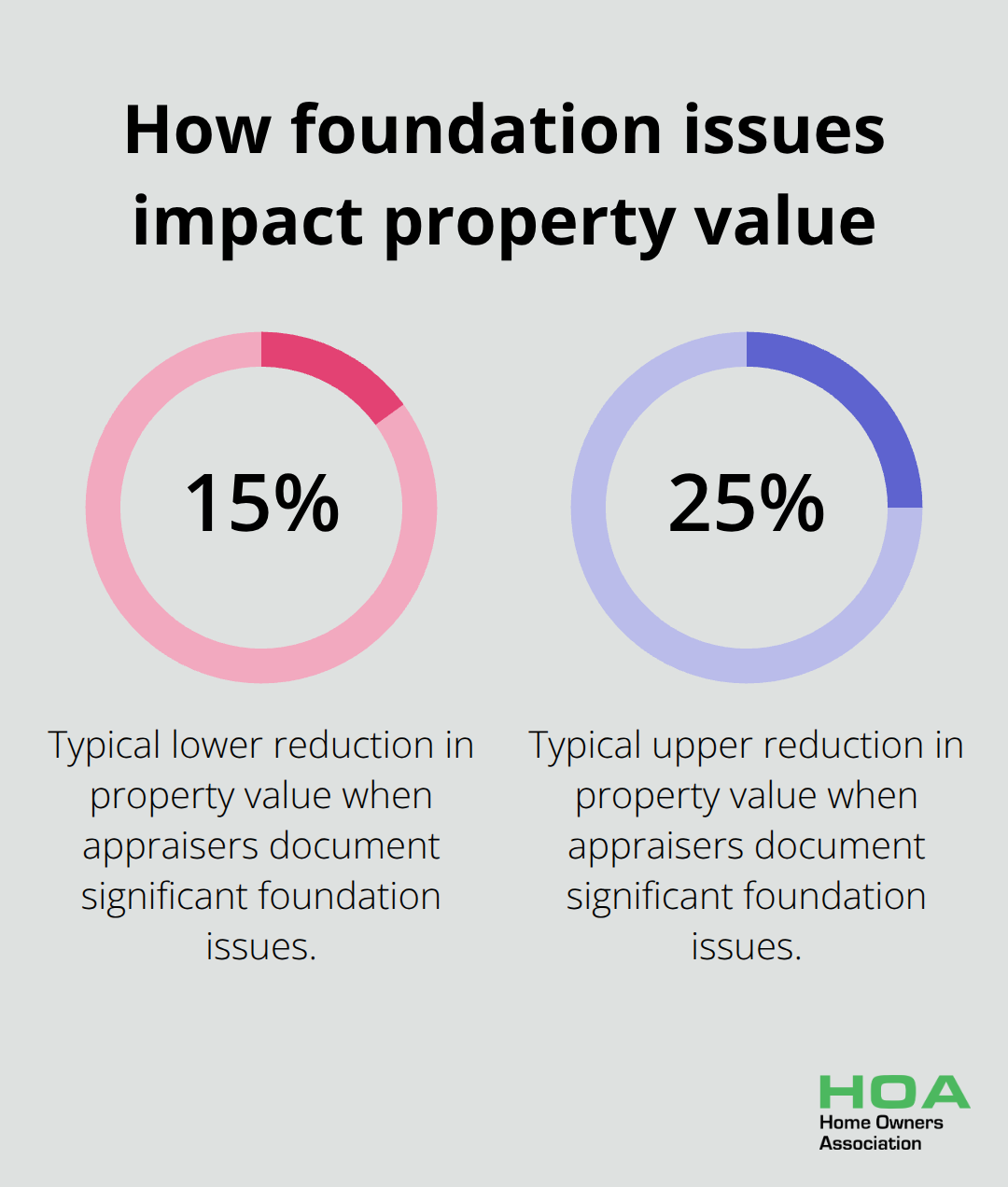
A compromised foundation puts your family at physical risk. Structural movement can cause floors to collapse, walls to crack internally, and in extreme cases, partial building failure. Beyond safety, your home’s market value depends heavily on foundation stability-real estate appraisers typically reduce property values by 15 to 25 per cent when significant foundation issues are documented. Buyers conduct thorough inspections, and foundation damage will surface. Reinforcing your foundation now protects both your investment and your family’s wellbeing.
Understanding what methods and materials work best for your specific situation helps you make the right repair choice.
Methods and Materials for Concrete Foundation Reinforcement
Steel Reinforcement Stops Foundation Movement
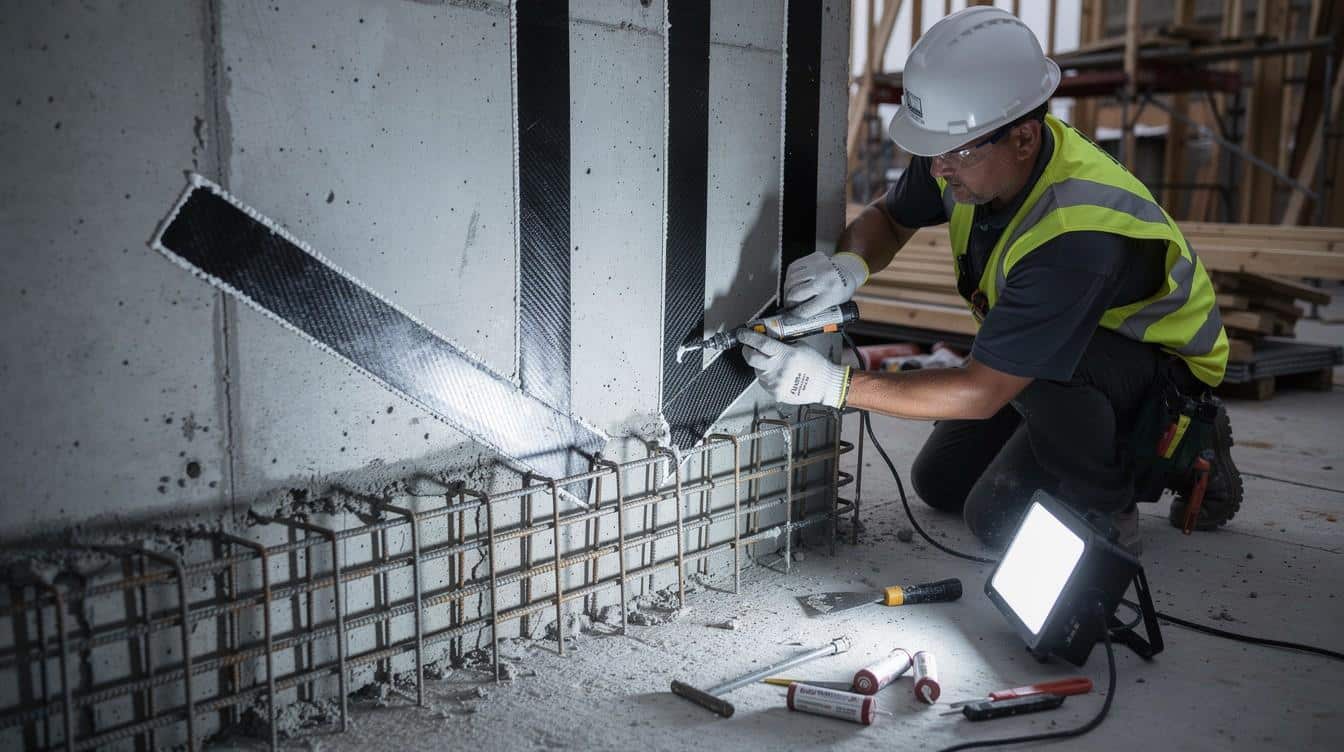
Steel reinforcement bars halt foundation movement before it spreads through your home’s structure. When concrete cracks or shifts, adding steel bars or mesh into the damaged areas redistributes weight and prevents further settlement. Contractors drill holes into the foundation at specific angles, insert steel reinforcement bars, and secure them with epoxy or cement grout. This method works particularly well for foundations experiencing horizontal stress or vertical settlement.
The cost typically ranges from $5,000 to $15,000 depending on the crack size and foundation area affected. Steel reinforcement addresses the root cause rather than just patching the symptom, which is why structural engineers recommend it for moderate to severe damage.
Epoxy Injection for Smaller Cracks
Epoxy injection offers a different solution for smaller cracks that haven’t caused major structural movement. Contractors inject low-viscosity epoxy directly into foundation cracks, which hardens and bonds the concrete back together. This approach works best for cracks narrower than 1/8 inch that don’t show signs of active movement.
The epoxy fills voids and restores some structural integrity, though it cannot solve problems caused by ongoing settlement or soil movement. Epoxy injection typically costs between $500 and $3,000 for residential foundations and produces results relatively quickly-most cracks are sealed within 24 to 48 hours. The real limitation appears when your foundation has already shifted significantly or when soil underneath has become unstable.
Underpinning Addresses Soil Problems Permanently
Underpinning addresses the actual problem: weak or inadequate soil support beneath your foundation. This technique involves installing new support structures deeper into the ground where soil is more stable and can handle your home’s weight. Common underpinning methods include helical piers (giant screws turned into the ground), push piers (hydraulic systems that drive steel shafts deep underground), and concrete pilings.
Helical piers work exceptionally well in Australian soil conditions and can support homes on slopes or unstable terrain. Push piers cost approximately $1,000 to $3,000 per pier, and most residential foundations need between four and twelve piers installed. This is the most expensive reinforcement method, often running $20,000 to $50,000 for complete foundation stabilisation. However, underpinning solves the underlying soil problem permanently rather than just repairing cracks.
Matching the Right Method to Your Foundation Problem
If your foundation continues sinking or shifting despite previous repairs, underpinning is the only solution that addresses why the problem exists. Soil movement demands underpinning, active cracks require steel reinforcement, and sealed but stable hairline cracks respond well to epoxy injection.
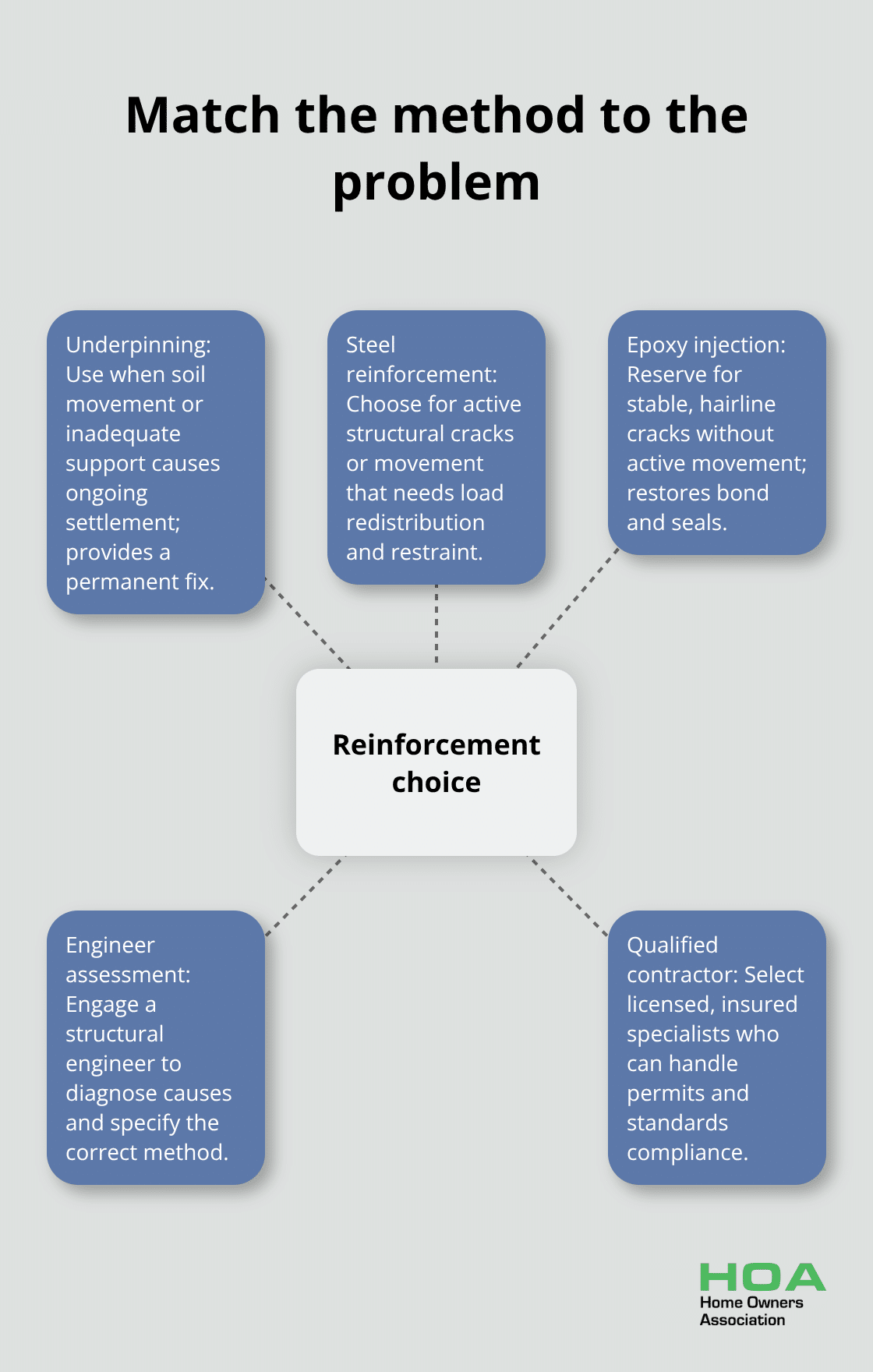
A structural engineer can assess your specific situation and recommend which approach will actually work for your home’s conditions. The right choice depends entirely on what caused your foundation damage in the first place. Once you understand which method suits your foundation, the next step involves finding a qualified contractor who can execute the work properly and navigate the permits your local council requires.
Hiring the Right Contractor and Managing Your Project Timeline
Selecting a Contractor Who Understands Your Foundation
Selecting a contractor for foundation reinforcement is not about finding the cheapest option-it’s about finding someone who understands your specific foundation problem and has documented experience solving it. Verify that your contractor holds current licensing in structural repairs, carries liability insurance of at least $5 million, and can provide references from foundation work completed within the past two years. Ask potential contractors which reinforcement method they recommend and why, then cross-check their recommendation against what a structural engineer has advised. Contractors who push one method regardless of your foundation’s actual condition are prioritising their profit, not your home’s stability.
Getting Quotes and Understanding Warranties
Request detailed written quotes that specify which method will be used, the exact materials involved, the timeline for completion, and what warranty covers the work after completion. Most reputable contractors offer five to ten year warranties on their reinforcement work, though some provide lifetime structural warranties on specific methods like underpinning. A comprehensive quote protects you by establishing clear expectations before work starts and gives you a basis for comparing multiple contractors fairly.
Permits, Inspections, and Standards Compliance
Your local council requires permits for any foundation reinforcement work, and your contractor should handle permit applications as part of their service-never hire someone who suggests skipping this step. Inspections happen at multiple stages: before work begins, during installation, and after completion, with council inspectors verifying that all work meets Australian Standards AS 2870 for residential slabs and AS 3600 for concrete construction. These regulatory requirements exist to protect your home and your family’s safety.
Timeline Expectations by Reinforcement Method
Timeline expectations vary significantly based on method and scope. Epoxy injection typically completes within one to two weeks, steel reinforcement takes three to six weeks, while underpinning with multiple piers can stretch to eight to twelve weeks depending on soil conditions and the number of piers required. Request that your contractor provide a detailed project schedule showing each phase of work, anticipated completion dates, and what happens if delays occur due to weather or unforeseen conditions.
Budget Planning and Cost Contingencies
Budget planning must account for the reinforcement method, permit fees (typically $300 to $800 depending on your council), inspection costs, and contingency funds for unexpected soil conditions discovered during work. Steel reinforcement and epoxy injection fall within predictable cost ranges, but underpinning sometimes encounters rock, contaminated soil, or other obstacles that increase final costs by 10 to 20 per cent. Setting aside an additional 15 per cent of your total budget for contingencies protects you from financial surprises when contractors uncover unexpected conditions beneath your home.
Final Thoughts
Foundation reinforcement works best when you pair it with ongoing maintenance and regular inspections. Schedule a professional assessment if you haven’t already, and document any existing cracks with photos so you can track whether they grow or remain stable. Check your foundation seasonally, particularly after heavy rainfall or during dry periods when soil movement is most likely, and look for new cracks, sticking doors, uneven floors, or water seeping into basements.
Concrete foundation reinforcement protects your investment only when you maintain the conditions around your home. Keep gutters and downspouts clear so water drains away from your foundation, grade your landscaping so soil slopes away from your home’s perimeter, and water around your foundation during dry seasons to prevent soil shrinkage and shifting. These maintenance steps prevent the soil problems that cause foundation damage in the first place.
We at Home Owners Association connect you with qualified professionals who understand Melbourne’s specific soil and climate conditions and can provide expert guidance tailored to your home. Join the Home Owners Association to access trade pricing on materials and personalised support throughout your foundation projects with trusted contractors who understand local building standards.