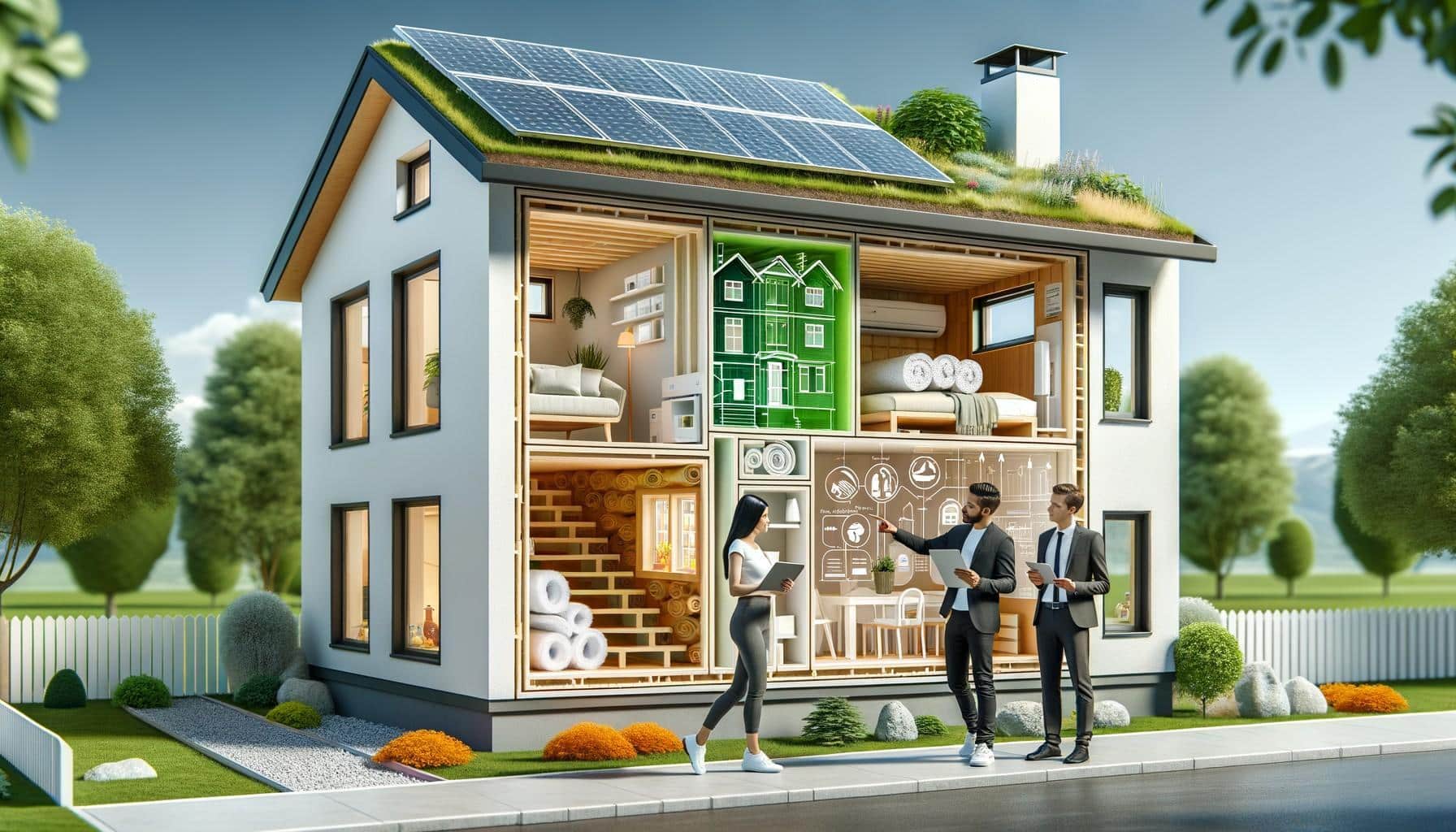
Energy efficient home plans cut heating and cooling costs by 20–30% annually compared to standard construction. We at Home Owners Association know that smart design choices-from window placement to insulation-pay for themselves within years.
This guide walks you through proven strategies that reduce energy waste without sacrificing comfort or style. You’ll learn what actually works and what delivers real savings.
Passive Design Principles for Energy Efficiency
Orientation Determines Your Home’s Energy Performance
Orientation stands as the single most important design decision for an energy-efficient home, and it cannot be compromised. Position your building and windows to maximise free heating and cooling based on your climate zone, and you’ve already won half the battle. In cooler regions like Melbourne or Canberra, north-facing windows capture winter sun and reduce heating demand significantly. In hot climates like Brisbane or Darwin, the opposite applies-minimise direct heat entry by orienting living spaces away from the western sun and using deep eaves to block summer radiation. This decision costs nothing extra but determines whether your home runs efficiently or fights against its own design for decades.
Windows Control Heat Loss and Gain More Than Any Other Building Element
Windows dominate heat loss and gain, making them your highest-impact investment. The right window sizing, location, and glazing cut heating and cooling costs dramatically compared to poorly specified windows. Double glazing with low-emissivity coatings outperforms single glazing significantly-in cold climates, the difference translates to measurable reductions in annual heating energy. Thermally broken window frames prevent heat bridging and improve comfort year-round (maintaining interior surface temperatures closer to room temperature). Install windows with proper sealing and position them to capture beneficial solar gain in winter while allowing shading in summer. This isn’t a cosmetic choice; it’s physics-based performance that directly affects your energy bills.
Thermal Mass and Natural Ventilation Work Together
Thermal mass absorbs heat during the day and releases it at night, stabilising indoor temperature swings without mechanical systems. However, thermal mass only works when paired with natural ventilation that removes excess heat during cooler periods. Design your home to allow cross-ventilation through strategic window placement and opening areas sized for your climate. In humid regions, ventilation prevents condensation risk that develops when insulation traps moisture without adequate airflow. In temperate zones, night cooling through open windows can eliminate the need for air conditioning on mild evenings (reducing both operating costs and embodied energy in HVAC equipment).
Insulation and Glazing Complete the Passive Design Picture
High-performance insulation and glazing work together with orientation and thermal mass to create a complete passive system. Roof and ceiling insulation reduces heating and cooling costs when designed and installed correctly, while wall insulation addresses the thermal bridging that frames and cavities create. Bulk insulation options-glass wool, mineral wool, cellulose, polyester, EPS, XPS, PIR and PUR-all perform well when they meet AS/NZS 4859 standards and receive proper installation. Reflective insulation relies on high reflectivity and a minimum air gap (about 25 mm), with orientation varying by climate zone to avoid condensation risk. The combination of these elements creates a home that relies far less on mechanical heating and cooling, lowering both operating costs and environmental impact.
Building Systems and Materials That Deliver Real Energy Savings
Insulation Performance Trumps Material Choice
Passive design sets the foundation, but the materials and systems you select determine whether your home actually performs as designed. Insulation quality matters far more than the material type itself-what matters is achieving the necessary R-value and installing it correctly without gaps or compression. Roof and ceiling insulation reduces heating and cooling costs by up to 45% when designed and installed correctly, making it your highest-impact material investment.

Bulk insulation options including glass wool, mineral wool, cellulose, polyester, EPS, XPS, PIR and PUR all perform well when they meet AS/NZS 4859 standards. The real cost difference between materials is minimal compared to the performance difference between poor installation and proper installation.
Installation Quality Separates Efficient Homes from Wasteful Ones
Seal all joints with manufacturer-approved tape, maintain air gaps around ducts and pipes, and avoid compression during installation-these steps separate energy-efficient homes from homes that waste money for decades. Weatherboard and brick veneer walls typically have low base R values around R0.45 and require supplemental wall insulation to reach target performance levels. Cavity brick walls accept cavity-fill insulation, potentially increasing total R to around R1.3 depending on cavity width.

Suspended timber floors benefit from bulk insulation underneath, while slab-on-ground homes require perimeter slab edge insulation in climate zones 7 and 8 or when in-slab heating is used-slab-edge insulation accounts for approximately 60% of heat loss at the foundation, making it non-negotiable in cold regions.
Glazing and Window Specifications Control Heat Transfer
Glazing specifications matter more than you might think, and this is where many builders cut corners incorrectly. Double glazing with low-emissivity coatings outperforms single glazing significantly, and thermally broken window frames prevent heat bridging that undermines your entire insulation strategy. Install windows with proper sealing to prevent air leakage, which can negate insulation performance entirely.
Right-Sized HVAC Systems and Heat Pump Technology
HVAC systems should be right-sized based on your home’s actual load after passive design improvements are implemented-oversized systems waste energy and money while undersized systems fail to maintain comfort. High-efficiency heat pumps deliver superior performance in most Australian climates compared to traditional gas systems, particularly when paired with solar PV and battery storage. This combination reduces reliance on mechanical systems and lowers operating costs substantially over the home’s lifetime.
Performance Requirements Drive Material Selection
Sustainable building materials should be selected based on performance requirements rather than appearance preferences. Low embodied energy materials and waste minimisation practices reduce environmental impact, but a poorly insulated home built from green materials still costs more to operate annually than an efficiently designed home built from conventional materials. The physics of R-value and thermal performance must take priority over material selection preferences. Work with a professional team that understands orientation, design, and product choices-this expertise directly translates to reaching or exceeding your target energy rating and avoiding costly mistakes that persist for decades. With the right systems and materials in place, your home’s energy performance becomes predictable and measurable, setting the stage for calculating the financial returns that energy efficiency delivers.
Cost-Benefit Analysis of Energy-Efficient Homes
The Real Cost Premium Is Smaller Than You Think
Energy-efficient homes cost more upfront, but the premium is far smaller than most homeowners assume. Reaching 7-star energy efficiency adds only about 2–3% to construction costs when you prioritise performance over cosmetic upgrades. That modest premium vanishes within 5–8 years through reduced heating and cooling bills. A home designed to cut energy demand by 40% through better orientation, insulation, and glazing produces measurable savings immediately-households typically see 20–30% reductions in annual energy costs compared to standard construction.

Climate Zone Determines Your Annual Savings
In cooler climates like Melbourne or Canberra, energy-efficient design saves $1,500–$2,500 annually on heating alone. In hot regions like Brisbane, summer cooling savings run equally substantial. These aren’t theoretical numbers; they reflect actual energy consumption patterns documented through NatHERS assessments and real-world monitoring of homes across different climate zones. The financial return accelerates when you add solar PV and battery storage to your design-these systems offset major fixed appliances including heating, cooling, hot water, and lighting, creating what the National Construction Code now measures as Whole of Home energy performance. A home rated at Whole of Home 80 or higher operates at near-zero net energy costs, particularly in sunny regions like Perth or Adelaide.
Government Standards Eliminate Design Risk
Australia’s transition to 7-star minimum energy efficiency as the new standard (replacing the previous 6-star requirement) means that energy-efficient design is no longer optional-it’s mandatory for new homes. This regulatory shift eliminates the risk of building a home that becomes dated or harder to sell. Property value increases follow energy efficiency improvements, though the exact premium varies by location and buyer demographics. Homes with certified energy ratings and lower operating costs attract buyers willing to pay more, particularly in markets where energy costs rise faster than general inflation.
Professional Design Prevents Costly Mistakes
The combination of lower operating costs, government alignment with energy efficiency standards, and property value retention creates a compelling financial argument. When you work with professionals who understand passive design, material performance, and system integration, you avoid costly mistakes that persist for decades. The difference between a home that performs as designed and one that underperforms due to poor installation or design flaws often exceeds the entire cost premium of energy efficiency itself. Poor installation of insulation, incorrect window sealing, or misaligned orientation can waste thousands of dollars annually-far more than the 2–3% premium that proper energy-efficient design requires.
Final Thoughts
Energy-efficient home plans deliver measurable returns that extend far beyond your first energy bill. The strategies outlined here-from orientation and window placement to insulation quality and system integration-work together to create homes that cost less to operate while maintaining superior comfort. A 2–3% construction premium disappears within years through reduced heating and cooling expenses, and the financial advantage compounds as energy costs rise.
Energy efficiency is now the baseline standard for new Australian homes, and aligning your design with these requirements stops wasting money on inefficient heating and cooling. Homes designed to 7-star energy efficiency or higher perform predictably across all climate zones, from Melbourne’s cold winters to Darwin’s tropical heat. The physics works the same way everywhere: better orientation, higher-performance insulation, and correct glazing specifications reduce energy demand by 40% or more.
Start by working with professionals who understand passive design principles and can specify materials based on performance rather than appearance. Avoid cutting corners on installation quality, as poor workmanship negates even the best design intentions. Visit Home Owners Association to explore membership benefits that support your renovation or building project with expert guidance and resources tailored to energy-efficient design decisions.