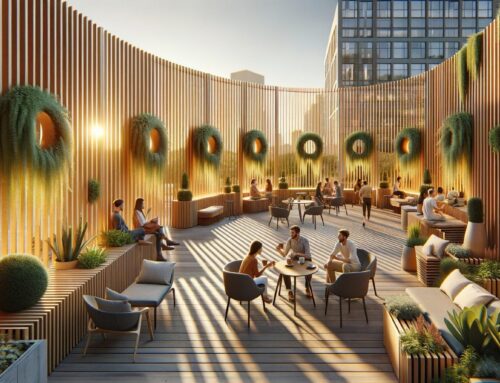
A timber pergola transforms your outdoor space into a functional and beautiful retreat. We at Home Owners Association know that choosing the right design and materials makes all the difference.
This guide covers timber pergola ideas that fit any style, from modern minimalist to rustic aesthetics. You’ll also learn about installation requirements, budgeting, and ways to enhance your pergola with plants, lighting, and furniture.
Design Styles That Work in Real Australian Homes
Modern minimalist timber pergolas dominate the market right now, and for good reason. Clean lines, minimal ornamentation, and simple slatted roofs have become the standard in Australian residential design. These structures typically feature 140 x 45 mm treated pine rafters spaced at 450 mm centres, creating a contemporary aesthetic that pairs well with weatherboard or rendered exteriors. The appeal lies in their simplicity-you avoid visual clutter, and they integrate seamlessly with most home architectures. Western Australian pine sourced from local plantations offers both durability and warmth without the premium price tag of hardwoods like Jarrah or Merbau. A small pergola measuring 1.5 m by 2.5 m with a 2 m height costs significantly less than larger structures while still defining outdoor zones effectively. Powder-coated brackets and treated pine age gracefully, with longevity ranging between 10 to 30 years in ground conditions when properly maintained.

When Traditional Rustic Works Better
Traditional and rustic styles remain popular in country properties and established gardens where heritage aesthetics matter. These designs often incorporate thicker posts, heavier beam work, and ornamental lattice details that echo older architecture. Dark stains or weathered finishes complement stone fireplaces, brick work, and established landscaping. However, this approach demands more maintenance-darker finishes on timber require annual cleaning and reapplication of protective coatings to prevent moisture damage and insect infiltration. The cost difference between minimalist and rustic designs reflects labour-intensive carpentry rather than materials. Climbing plants like native wisteria or grapevines transform rustic pergolas into garden focal points, though you need properly treated timber to withstand moisture from plant growth and regular watering.
The Hybrid Approach Most Homeowners Choose
Contemporary hybrid designs combine minimalist structural simplicity with selective traditional details. Think clean-lined pergolas with integrated shade sails, powder-coated metal brackets paired with warm timber tones, or open-top frames topped with polycarbonate roofing for weather protection. This middle ground appeals to homeowners who want modern functionality without sacrificing warmth and character. Pergola kits in Australia demonstrate this trend-their freestanding and wall-mounted configurations start around $409 AUD for basic setups, making hybrid approaches accessible without custom fabrication costs. Attaching your pergola directly to the house creates visual continuity, especially when you match timber tones and trim colours to existing cladding.

The flexibility of hybrid designs means you can add accessories later-string lights, pendant fixtures, outdoor curtains in weather-resistant fabrics-without committing to a single aesthetic from the start.
What Comes Next in Your Planning
Your design choice sets the foundation for everything that follows. The materials you select, the permits you need, and the budget you allocate all depend on which style resonates with your home and outdoor space. Understanding these practical considerations helps you move forward with confidence and avoid costly mistakes during installation.
Practical Considerations for Installing a Timber Pergola
Select the Right Timber and Materials
Treated pine stands as the practical choice for most Australian pergolas, and MGP10 H3 grading is the standard you need. Your timber’s resistance to insects and harsh environmental conditions is determined by a range of ratings to grade strength, durability and hazard levels. Western Australian pine from local plantations costs less than imported hardwoods like Jarrah or Merbau while delivering the same structural performance. For a small pergola with 450 mm rafter spacing, 140 x 45 mm rafters paired with 190 x 45 mm beams and 90 x 90 mm posts create a stable frame without oversizing components. Bring your kit brackets to the timber merchant when purchasing posts-this ensures your timber sizing matches the hardware exactly and prevents costly assembly problems.
Powder-coated brackets resist weathering and eliminate the need for annual repainting, though timber itself requires protective finishes every two to three years depending on sun exposure and moisture levels. Light stains preserve the natural warmth of the wood, while dark finishes add contrast and visual weight to your outdoor space. Your choice of finish affects both aesthetics and maintenance schedules, so plan accordingly before installation begins.
Navigate Building Codes and Permits
Building codes vary significantly across Australian councils, and skipping this step costs far more than the permit fee itself. Most councils require structural engineering input for pergolas exceeding 2.5 metres in height or 20 square metres in area, though some regions have streamlined approval for smaller structures. Contact your local council before purchasing materials-approval timelines range from two weeks to three months depending on complexity. This early conversation prevents wasted money on materials that don’t meet local requirements.
Post anchors matter more than most homeowners realise; a minimum of 75 mm clearance between the underside of the Post Anchor saddle and the ground surface or paving level is recommended. Post hole depth should reach approximately 650 mm with proper installation. Hyne Timber span tables provide free reference guidance for verifying your rafter and beam sizing against local wind loads and snow loads, preventing undersizing that creates safety and liability issues. If you proceed without engineering, defaulting to high-wind anchors and conservative timber sizes protects you legally and structurally.
Plan Your Budget Realistically
Pergola kits in Australia demonstrate how accessible hybrid designs have become, with freestanding and wall-mounted configurations starting around $409 AUD for basic setups. The total project cost depends on kit type, timber length required, and whether a shade sail is included, with pricing ranging up to approximately $1,560 AUD for higher-end dual or feature-rich kits. Labour costs represent the largest variable-DIY assembly saves substantially compared to hiring contractors, though structural engineering fees (typically $300–$800) add to your budget if your council requires them.

A small pergola measuring 1.5 m by 2.5 m with a 2 m height costs significantly less than larger structures while still defining outdoor zones effectively. Treated pine ages gracefully, with longevity ranging between 10 to 30 years in ground conditions when properly maintained. This durability means your initial investment pays dividends over time, especially when you factor in the extended usability of your outdoor space.
Prepare for Assembly and Installation
Bunnings Workshop offers a step-by-step assembly guide that aligns with standard Australian framing practices, making it a reliable baseline for DIY projects. Your design choice-whether minimalist, rustic, or hybrid-influences the complexity of assembly and the tools you’ll need. Freestanding pergolas require concrete footings and post anchors, while attached structures demand careful alignment with your home’s existing structure and weatherproofing at connection points.
With materials selected, permits approved, and your budget confirmed, you’re ready to focus on the features that transform a basic pergola into an outdoor living destination.
Transform Your Pergola Into a Living Outdoor Room
Plants That Extend Your Shade and Comfort
Native climbing plants like wisteria and grapevines do far more than add greenery to your pergola. These plants extend your shade coverage during peak summer months while requiring minimal maintenance once established. Jasmine varieties grow quickly on timber slats and deliver fragrance that enhances your outdoor space without the cost of premium landscaping. Train vines through narrow lattice openings to create integrated greenery that feels intentional rather than overgrown.
Lighting That Transforms Evening Use
String lights and pendant fixtures transform evening usability dramatically. LED strips mounted along rafters cost between $80 and $250 depending on quality and length, and they extend your pergola use well into the evening without adding heat to the space. This investment pays dividends if you entertain regularly or simply want to sit outside after sunset. Position fixtures strategically to avoid harsh shadows while creating warm pools of light across your outdoor room.
Weather Protection Without Sacrificing Style
Polycarbonate roofing or quality shade sails add weather protection that makes your pergola functional during light rain. You will sacrifice some of the open-air aesthetic that makes timber pergolas appealing in the first place, so weigh this trade-off carefully. Outdoor curtains in weather-resistant fabrics control both sun exposure and privacy while remaining removable for seasonal adjustments-expect to spend $200 to $600 for a quality set that withstands Australian UV exposure and moisture.
Furniture and Zone Definition
Position your pergola to designate specific zones: a dining nook beneath the structure paired with a sturdy outdoor table, a lounge area with weather-resistant seating, or a contemplative space with a single bench surrounded by climbing plants. Furniture placement matters as much as the pergola itself; oversized pieces in tight spaces create visual clutter, while undersized furniture leaves your outdoor room feeling empty. Warm timber tones pair exceptionally well with natural materials like stone seating areas, rendered fireplaces, and potted plants in neutral containers (think terracotta or concrete finishes that complement timber warmth).
Creating Visual Restraint and Impact
The key is restraint-add one strong accent feature rather than competing visual elements that fight for attention. A statement outdoor dining table, a sculptural fire pit, or a feature planter wall works better than scattered accessories that dilute your design. Your pergola’s success depends on how you use the space, not how elaborately you decorate it. Thoughtful curation transforms a basic shade structure into an outdoor destination you’ll visit throughout the year.
Final Thoughts
Your timber pergola transforms from concept to reality when you combine thoughtful design with practical execution. Proper material selection, code compliance, and realistic budgeting prevent costly mistakes before you break ground. A small pergola measuring 1.5 m by 2.5 m with treated MGP10 H3 pine costs significantly less than larger structures while still defining outdoor zones effectively, and the real value emerges when you add climbing plants, strategic lighting, and furniture that transforms your pergola into a living outdoor room you’ll use year-round.
Your next step depends on where you stand in the planning process. If you’re still exploring timber pergola ideas, contact your local council about building code requirements and permit timelines-this conversation prevents costly material purchases that don’t meet local standards. If you’ve settled on a design, source your timber from reputable suppliers and verify rafter and beam sizing against Hyne Timber span tables before assembly begins.
We at Home Owners Association understand that successful outdoor projects require more than enthusiasm. Our members benefit from trade pricing on construction materials, personalised guidance throughout their projects, and educational resources that help your work meet the highest standards. Your outdoor space deserves the same attention to detail you’d give any major home improvement-start with solid planning, and your timber pergola will reward you with years of functional beauty.