Your garden’s privacy and appearance matter. Vertical timber screening ideas offer a practical way to block unwanted views, reduce noise, and add natural warmth to your outdoor space without building solid walls.
At Home Owners Association, we’ve seen how the right screening transforms gardens across Australia. The right timber choice and installation method make all the difference in durability and visual impact.
Why Vertical Timber Screening Outperforms Solid Walls
Light, Airflow, and Visual Connection
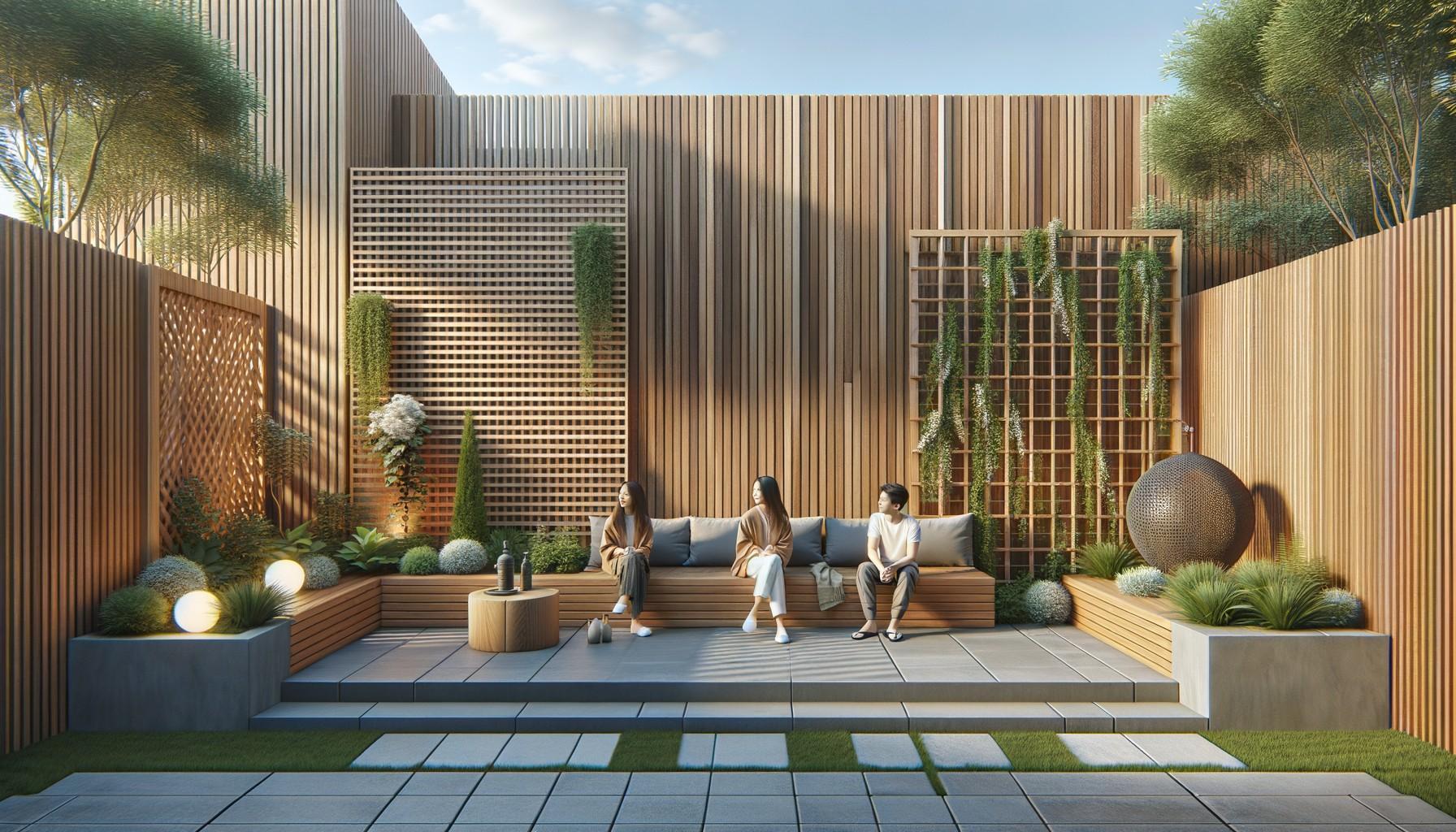
Vertical timber screening creates genuine boundaries without the oppressive feel of solid concrete or brick walls. Unlike full enclosures that block light and airflow, slatted timber screens filter views while maintaining sightlines to your garden and beyond. Australian gardens thrive on light penetration and ventilation, and screens that respect this perform far better over time.
The spacing between vertical slats controls both privacy and airflow. Narrow gaps between 10–50 millimetres deliver stronger privacy but reduce airflow, while wider gaps increase ventilation and create a lighter visual feel. Your climate and what you’re screening against should drive this choice, not just aesthetics. In drier regions, wider spacing works well.

In humid or coastal areas, narrower gaps with proper drainage underneath prevent moisture buildup that rots timber from the base up.
Natural Warmth and Durability
Timber brings genuine warmth that ages beautifully and develops character over time. It integrates into most garden styles without looking forced or temporary like plastic alternatives. This natural appeal makes vertical timber screening a lasting investment in your outdoor space.
Wind and Noise Control
Vertical timber screening handles practical problems that solid walls cannot. Noise reduction can be improved by combining slats with acoustic backing. Wind protection works better too-solid panels create turbulence on the downwind side, while slatted screens slow and break wind patterns without creating dead zones where moisture stagnates. This matters significantly in Australian coastal areas where salt spray and humidity accelerate timber decay.
Strategic Positioning and Council Compliance
Position screens on the north or west side to intercept afternoon sun and reduce heat buildup in outdoor entertaining areas. Check your local council rules before installation-most councils cap screen height at 2.5 metres and require at least a 900-millimetre setback from boundaries. This flexibility lets you create functional garden zones without approvals.
A 1.8-metre screen positioned perpendicular to your house creates an intimate entertaining area with complete privacy and zero council paperwork if you maintain proper setbacks. Freestanding screens offer maximum flexibility for repositioning as your garden evolves. With these positioning strategies in place, the next step involves selecting the right timber species and design approach for your specific climate and aesthetic goals.
Selecting the Right Screening Style and Timber for Your Garden
Slatted Screens for Privacy and Airflow Control
Slatted vertical screens dominate modern Australian gardens for good reason-they deliver privacy without sacrificing the light and airflow your plants and entertaining spaces need. Horizontal slats spaced 10–50 millimetres apart become your primary control lever for balancing these competing demands. Narrower gaps around 10–20 millimetres create strong privacy but reduce ventilation, making them ideal for front yards where you want complete visual blocking from the street. Wider gaps of 40–50 millimetres work better in humid coastal regions because air movement within the space becomes important, allowing moisture to escape before it rots timber from underneath.
Solid Panels and Hybrid Designs
Solid timber panels serve a completely different purpose-they handle maximum privacy and wind protection but create real problems. Solid panels block airflow entirely, trapping moisture against the timber and accelerating rot. They also create turbulence on the downwind side, which defeats the wind protection goal. Use solid sections only where you genuinely need complete visual blocking, such as hiding an unsightly shed or pool equipment. Pair solid panels with open slats in a hybrid design to balance privacy and moisture management. Mixed orientations-combining vertical and horizontal slats, or alternating solid and slatted sections-add visual interest while solving practical problems.

This approach lets you adjust privacy and airflow zone by zone across your garden.
Timber Species and Durability Ratings
Timber species choice determines how long your screening actually lasts. Merbau timber performs exceptionally well in Australian conditions and handles moisture around pools without warping, though it costs significantly more upfront. It ages to a richer colour and resists decay longer than cheaper alternatives. Treated pine costs less and suits drier inland regions, but requires more frequent maintenance and won’t match Merbau’s longevity. Always check documented outdoor durability ratings rather than vendor claims.
Installation and Positioning Essentials
Elevation matters as much as timber selection-screens must sit at least 50 millimetres above ground level to allow drainage and prevent rot at the base. Position screens on north or west sides to intercept afternoon sun and reduce heat in entertaining areas. Install corrosion-resistant hardware throughout because standard fasteners rust and stain timber.
Maintenance Schedules and Damage Prevention
Apply UV-protective sealant or penetrating oil every 1–2 years, increasing to annually in wet coastal areas where salt spray accelerates degradation. Inspect quarterly for rot, warping, and insect damage. Replace damaged slats immediately to prevent rot from spreading to adjacent timber. With your screening installed and maintained properly, the next step involves understanding how to clean and care for your screens throughout the seasons to maximise their lifespan.
How to Keep Your Vertical Timber Screens in Top Condition
Establish a Cleaning and Sealing Routine
Vertical timber screening demands consistent attention, but the work is straightforward and far cheaper than replacing entire sections. Clean your screens twice yearly with a soft brush and rinse with a garden hose to limit free water on the construction site, which is the best strategy to minimise algae growth. Never use pressure washers because the force drives moisture deep into the timber, causing rot from inside out.
In wet coastal areas where salt spray and humidity are constant threats, increase cleaning frequency to three times annually and apply UV-protective sealant or penetrating oil every single year instead of the standard two-year cycle. Inland properties in drier regions can stick to the two-year sealant schedule, but quarterly inspections remain non-negotiable regardless of climate.
Conduct Quarterly Inspections and Spot Damage Early
Check for rot by probing soft spots with a screwdriver, look for warping that indicates moisture trapped in the timber, and inspect fasteners for rust stains that bleed into surrounding wood. Corrosion-resistant hardware prevents most fastening problems, but standard steel bolts and brackets will fail and stain timber permanently.
Most damage clusters around the base where drainage fails or in areas where salt spray concentrates, so prioritise inspections in these zones during your quarterly checks. In coastal properties, annual sealing becomes essential because the salt-laden air accelerates degradation of both timber and metal components.

Replace Damaged Slats Before Decay Spreads
Replace any damaged slat immediately because rot spreads sideways to adjacent timber faster than most homeowners realise, turning a single-slat repair into a three-or-four-slat replacement within twelve months if left alone. Remove the damaged slat by unbolting fasteners, slide in a new timber piece cut to exact dimensions, and reseal all edges where new timber meets existing hardware.
Cost-effective repairs focus on targeted replacement rather than full panel overhauls. A single damaged Merbau slat costs far less to replace than allowing decay to compromise the entire frame structure.
Adjust Maintenance for Your Climate and Timber Type
Treated pine screens in drier regions may only need sealant every two to three years if you stay on top of cleaning and replace fasteners proactively. Document your maintenance schedule in writing or set phone reminders for sealant application and quarterly inspections because consistent care prevents the expensive emergency repairs that force full screening replacement.
Final Thoughts
Vertical timber screening ideas deliver genuine value because they solve real problems while improving how your garden looks and functions. Privacy, airflow, noise reduction, and heat management work together in ways that solid walls simply cannot match. The right timber species paired with thoughtful spacing and positioning creates outdoor spaces that perform well for decades when maintained properly. Properties with well-maintained screening command stronger resale value because buyers recognise quality outdoor spaces.
Consistent maintenance through regular cleaning, annual sealing in coastal areas, and quarterly inspections prevents expensive emergency repairs that force full replacement. A single damaged slat costs far less to fix than allowing rot to compromise your entire frame structure. Slatted screens, solid panels, and hybrid designs let you adjust the balance between function and design zone by zone across your garden (Merbau timber costs more upfront but outlasts cheaper alternatives by years, making it the smarter long-term choice in Australian climates).
We at Home Owners Association understand that successful garden projects require both expert guidance and access to quality materials at fair prices. Our members across Australia benefit from trade pricing on timber, hardware, and sealants, plus personalised advice to help your screening meet the highest standards. Visit our member resources to make informed decisions and complete your vertical timber screening project with confidence.