Australian homeowners are sitting on thousands of dollars in potential savings. Energy efficient home improvements don’t have to drain your wallet-many upgrades pay for themselves within a few years.
We at Home Owners Association have put together this guide to show you exactly which upgrades deliver real returns and how to access government rebates that cut your costs significantly. Let’s walk through the fastest wins and the long-term investments that make sense for your home.
Quick Wins That Cut Your Energy Bills Immediately
Target Heating and Cooling First
Space heating and cooling appliances account for around 40 per cent of household energy use in Australia, which is why targeting these areas delivers the biggest savings fast. About 35% of heating energy escapes through ceilings, 25% through walls, and 20% through floors, according to energy.gov.au. Effective insulation reduces heating and cooling costs by about 45% and pays for itself within three to five years through energy savings alone.

Start with your roof and ceiling-this is where the most heat loss happens. If budget is tight, focus here first before moving to walls and floors.
Seal Gaps and Upgrade Windows
Draught-proofing between windows and doors, plus sealing gaps at floor-to-wall joints, saves up to 25% on heating bills and costs far less than full insulation work. Weather seals and draught stoppers are inexpensive additions that compound these savings. Up to 40% of heating energy is lost through windows, so upgrading to double glazing reduces heating losses by up to 40% and heat gains by up to 87%. If full double glazing feels expensive, low-cost alternatives like thermal film or secondary glazing deliver meaningful improvements without the price tag. Thermal curtains with pelmets or ceiling-to-floor hanging options trap warm air and cost far less than window replacement.
Switch to LEDs and Eliminate Phantom Power
LED bulbs use 75% to 85% less energy than incandescent bulbs and last three to five times longer, cutting both energy use and replacement costs according to Energy Star data. Switching every bulb in your home to LEDs typically costs a few hundred dollars and pays back within months. Smart plugs and power strips eliminate phantom energy, which accounts for 5% to 10% of total household electricity. Focus these strategically in entertainment centres and home offices where multiple devices draw standby power constantly.
Add Motion Sensors and Real-Time Monitoring
Motion sensors and occupancy-triggered lighting cut lighting energy use by 20% to 40% by ensuring lights turn on only when needed. Real-time energy monitoring shows about 15% gains in efficiency when usage is tracked and optimised, according to research in the Renewable Energy journal. These quick wins combined-insulation, draught-proofing, LEDs, and smart controls-typically cost between four and eight thousand dollars for most homes and save households one to two thousand dollars annually depending on your starting point and local conditions.
Once you’ve locked in these immediate savings, government rebates and incentives can dramatically reduce the cost of your next upgrades, making larger investments far more accessible.
How to Access Government Support for Your Home Upgrades
Stack Multiple Funding Programs Together
The Australian government offers multiple funding streams specifically designed to reduce upfront costs for energy upgrades, and these programs work together to make larger investments far more affordable than they appear at first glance. The Household Energy Upgrades Fund helps more than 110,000 households lower their energy bills through discounted finance for solar PV, efficient appliances, battery storage, insulation, heat pumps, double-glazed windows, induction cooktops, EV chargers, and energy monitoring systems through participating lenders including Plenti, Westpac, ING Australia, Bank Australia, Commonwealth Bank of Australia, Brighte, and Plico. This fund reaches households with or without a mortgage, renters, and strata properties, making it far more accessible than traditional financing.

The Small-scale Renewable Energy Scheme reduces the cost of residential rooftop solar through tradeable certificates, while the Cheaper Home Batteries Program provides support for eligible batteries installed on or after 1 July 2025. You can claim solar rebates, then use the Household Energy Upgrades Fund to finance battery storage at reduced rates, dramatically cutting your total out-of-pocket costs.
Connect With a Participating Lender
Contact a participating lender first to discuss your upgrade goals and available financing options. The lender guides you through energy assessments, helps identify which upgrades suit your home, and connects you with an accredited installer. Your installer must hold certification from relevant bodies like the Clean Energy Council for solar modules and inverters, the Clean Energy Regulator for solar hot water and heat pump systems, the Energy Efficiency Council for insulation work, or a licensed electrician for all electrical installations. The application process typically takes two to four weeks from initial inquiry to approval, and your lender handles the documentation required to meet fund eligibility requirements.
Explore State-Based Programs
State-based programs add another layer of support-Victoria offers additional rebates for specific upgrades, South Australia has its own solar incentive schemes, and most states provide support through their energy efficiency councils or local council programs. Energy.gov.au maintains a current list of all active rebates and incentives by state, which you should check before committing to any upgrade since programs change regularly and new funding rounds open throughout the year. Once you understand which rebates apply to your situation and which lender works best for your circumstances, you can calculate the true cost of your next major upgrade-and that’s where return on investment becomes clear.
Which Upgrades Deliver the Strongest Returns
Solar Panels: Fast Payback and Long-Term Protection
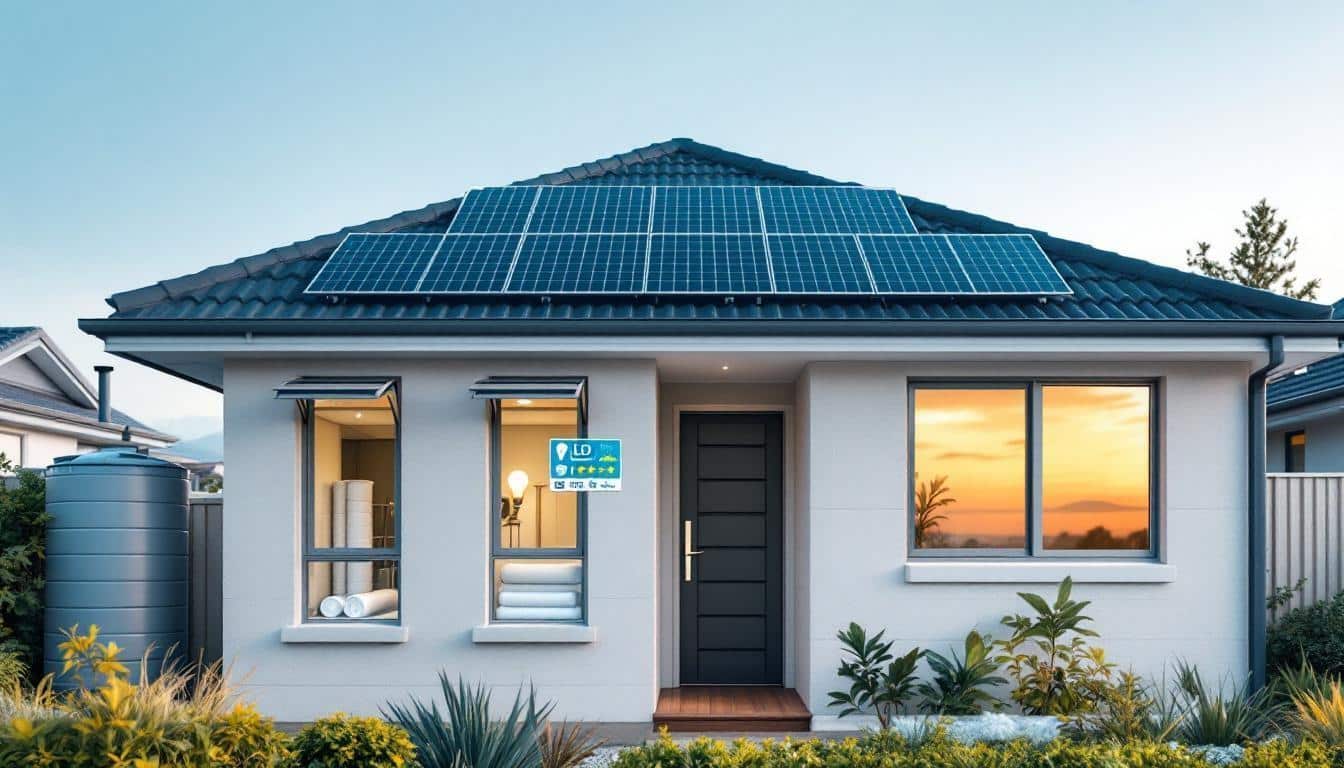
Solar panels remain the fastest-paying upgrade for most Australian homes, with payback periods of four to eight years according to YourHome data. A typical household installing 5kW of solar saves around $1,500 annually on electricity bills. Across the country, approximately 4.2 million Australian households have already captured these savings, totalling roughly $3.15 billion nationwide based on Renew’s analysis using Clean Energy Council 2025 data. The Small-scale Renewable Energy Scheme reduces your upfront cost immediately through tradeable certificates, which your installer typically applies to your invoice. Solar also increases your property value and provides protection against rising electricity prices that have climbed steadily across Australian states.
Battery Storage: Maximising Your Solar Investment
Solar alone leaves money on the table if you export excess generation to the grid at lower rates. Pairing solar with battery storage maximises your return by storing excess generation for evening use instead. The Cheaper Home Batteries Program provides around a 30% discount on eligible batteries from July 2025, making storage far more affordable than previous years when lithium-ion costs were substantially higher. This combination transforms solar from a daytime-only benefit into a round-the-clock energy solution that cuts your grid reliance significantly.
Heat Pumps: Year-Round Savings in Any Climate
Heat pump systems deliver the strongest long-term financial advantage, particularly in cooler climates where heating dominates your energy bills. Hot water heat pumps offer payback in four to six years with running costs around one-third of traditional gas systems according to ACT Government data. Energy efficiency upgrades reduce your annual utility costs significantly, delivering measurable savings that compound over years. Unlike solar which depends on daylight, heat pumps work year-round and improve your comfort simultaneously by maintaining consistent temperatures.
Smart Controls and Monitoring: Optimising Every Dollar
Smart thermostats cut heating and cooling costs by up to 20% through automated scheduling and remote control, making them the highest-return control upgrade you can install. Real-time energy monitoring systems break down exactly where your power goes and identify which upgrades matter most for your specific home. The Household Energy Upgrades Fund covers all three technologies at reduced finance rates, allowing you to stack these upgrades without waiting years between installations.

Your Upgrade Sequence: Start With What Costs the Most
Start with heating and cooling since these account for 40% of your bill. Then add a heat pump system, then layer in smart controls and monitoring to optimise what you’ve already installed.
Final Thoughts
Energy efficient home improvements deliver measurable savings that compound year after year without forcing you to choose between comfort and affordability. Heating and cooling dominate your bills at 40 per cent of total consumption, so insulation and draught-proofing generate the fastest returns and should anchor your upgrade strategy. Once you lock in those immediate savings, move toward larger investments like solar panels or heat pumps using government financing programs that stack together to reduce your out-of-pocket costs significantly.
Professional energy assessments identify the upgrade sequence that works best for your property and local climate, guiding which improvements matter most for your specific situation. Your participating lender can connect you with accredited installers who understand your needs and help you navigate the application process from initial inquiry through installation completion. Real-time energy monitoring systems break down exactly where your power goes, helping you prioritise upgrades that deliver the strongest financial returns for your home.
We at Home Owners Association support homeowners throughout their energy upgrade journeys with trade pricing, expert guidance on project planning, and resources to ensure quality outcomes. Home Owners Association membership provides the support and savings that make energy efficient home improvements genuinely affordable for your household. Visit us today to explore how membership can reduce your upgrade costs and connect you with trusted local professionals ready to help your project succeed.