Timber flooring transforms how a home feels and functions. At Home Owners Association, we know that selecting the right timber flooring options requires understanding what’s available and what works for your space.
This guide walks you through solid hardwood, engineered wood, and alternative materials. You’ll learn what matters most-durability, cost, maintenance, and style-so you can make a choice that fits your home and budget.
Your Three Main Timber Flooring Choices
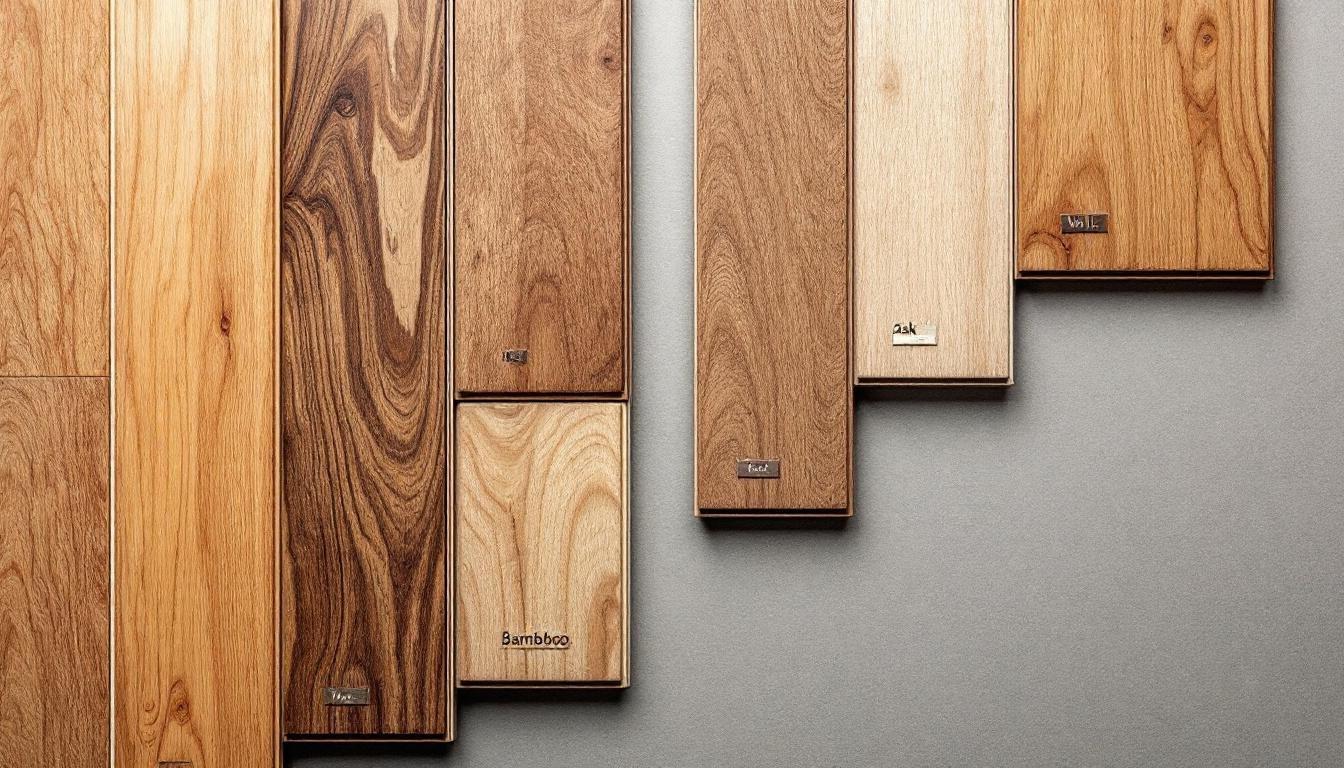
Solid hardwood flooring and engineered wood represent fundamentally different approaches to timber floors. Your choice between them depends on your home’s conditions and your upfront budget. Solid hardwood comes from a single piece of timber, typically 3/4 inch thick, and you can sand and refinish it multiple times over its lifetime. This makes it the better long-term investment if you plan to stay in your home for decades. However, solid hardwood performs poorly in moisture-prone areas like bathrooms and kitchens, and it won’t work over concrete subfloors without a moisture barrier.

Engineered wood solves these problems by layering a real timber veneer over a plywood base, making it stable in humid environments and compatible with underfloor heating systems. The trade-off is that engineered wood has a thinner wear layer, so refinishing options are limited compared to solid hardwood.
Warm Tones Shape Today’s Choices
According to The Spruce and Better Homes & Gardens, 2026 trends heavily favour warm natural tones-honey oak, mid-oak, and walnut-over the cool greys that dominated recent years. Both solid and engineered options deliver these warm finishes effectively, though solid hardwood allows you to refinish and shift tones later if your design preferences change. This flexibility matters if you want to refresh your floors without full replacement down the track.
Bamboo: Hardness Without Warmth
Bamboo flooring is genuinely harder than many timber species, making it a practical choice for high-traffic households. However, it lacks the aesthetic warmth and depth that traditional timber delivers. Bamboo grows quickly and is environmentally friendlier than harvesting slow-growth hardwoods, yet it doesn’t age gracefully the way oak or walnut does. If you want authentic timber character-visible grain variation, the ability to develop patina, and that lived-in story-rich appearance trending now-bamboo won’t provide that experience.
Finishes and Patterns That Work
Wide-plank flooring remains popular for open-plan homes because fewer seams create visual flow, and this applies equally to solid hardwood, engineered wood, and quality bamboo products. Matte and satin finishes are now the default across all timber types, with high-gloss falling out of favour because it shows scratches and creates glare. Textured finishes with brushed surfaces hide wear far better than polished options, which matters if your household includes children or pets.
Making Your Decision
Your choice ultimately hinges on three factors: moisture exposure, budget constraints, and whether you value the ability to refinish your floors years later. Solid hardwood wins on longevity and refinishing freedom, engineered wood wins on moisture resistance and versatility, and bamboo wins on hardness and environmental credentials (though it sacrifices the authentic timber warmth that’s driving floor choices across Australia right now). Understanding these trade-offs positions you to evaluate the specific costs and maintenance demands that come with each option.
What Matters Most When Selecting Your Timber Floor
Durability: How Long Your Floor Lasts
High-quality hardwood flooring can last up to 20 years or more with proper maintenance and care, though many floors installed in Australian homes during the 1990s still perform well today, proving the material can exceed these estimates substantially. Engineered wood delivers 15 to 20 years of reliable performance, making it shorter-lived than solid options but adequate for most homeowners who don’t plan multi-decade occupancy. Bamboo ranks among the hardest flooring materials available-harder than oak and comparable to hickory-which matters if your household includes children, pets, or high foot traffic.
Hardness alone doesn’t tell the complete durability story. Wear resistance depends equally on finish quality and maintenance habits. Matte and satin finishes, now the industry standard, perform better than high-gloss in hiding scratches and wear patterns, which means your floor will look better longer with less visible damage accumulating. Textured or brushed finishes excel in this regard because surface variation naturally disguises minor imperfections that would be obvious on smooth, polished surfaces.
Cost: Understanding True Long-Term Value
Solid hardwood typically ranges from $8 to $15 per square metre before installation, with premium species and custom finishes pushing higher. Engineered wood costs $5 to $12 per square metre, offering genuine savings upfront. Bamboo falls between $6 to $10 per square metre. Installation adds $15 to $25 per square metre regardless of material type, though solid hardwood over concrete requires additional moisture barriers that increase costs further.

Upfront price doesn’t reflect true cost. Solid hardwood, despite higher initial expense, becomes cheaper over 20 years because you can refinish it multiple times for $3 to $8 per square metre rather than replacing engineered or bamboo floors entirely. If you plan to stay in your home for more than 15 years, solid hardwood typically delivers better long-term value.
Aesthetic Preferences: Warmth and Character Win
Aesthetic preferences now lean heavily toward warm tones and textured surfaces that age gracefully rather than maintain showroom perfection. This trend favours character-rich boards with visible grain variation over uniform, pristine finishes. Wide-plank options remain popular for open-plan homes, reducing visual seams and creating flow. Herringbone and parquet patterns work as accent zones in entries or dining areas rather than full-home installations.
Maintenance: Realistic Demands for Your Household
Solid hardwood demands prompt spill cleanup and regular vacuuming or dry mopping, as moisture penetration causes expansion and warping. Engineered wood tolerates minor moisture exposure better but still requires the same cleaning discipline. Bamboo handles moisture better than solid hardwood but can still swell if subjected to standing water. All timber floors benefit from maintaining humidity between 30 and 50 percent, achievable through air conditioning or humidifiers in dry climates.
Textured finishes require less frequent polishing or refinishing compared to smooth surfaces that show every footprint and dust particle. If your household includes busy schedules and minimal time for floor maintenance, textured finishes with matte or satin finishes represent the most realistic choice. These practical considerations shape whether your flooring investment remains beautiful and functional for years to come, which brings us to how professional installation and ongoing care protect that investment.
Getting Installation and Maintenance Right
Professional Installation Sets the Foundation
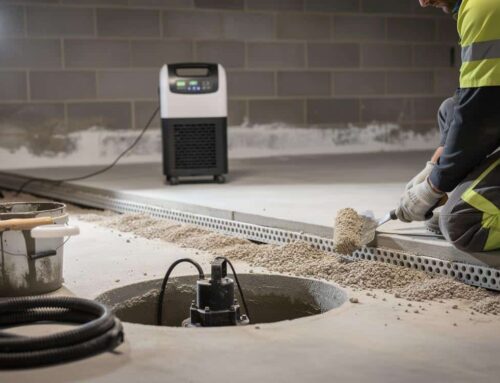
Professional installation determines whether your timber floor performs as designed or fails prematurely, making this decision far more important than material choice alone. Subfloor preparation matters most-installers must check moisture levels over concrete using calcium chloride or relative humidity tests before any timber goes down, as moisture above 75 percent relative humidity causes expansion and cupping that no finish can prevent. Levelling the subfloor to within 3mm over 3 metres prevents hollow spots that create movement and creaking, a step many installers rush through but that directly affects floor longevity. Solid hardwood over concrete requires a moisture barrier or floating installation rather than direct glue-down, adding cost but preventing moisture damage that would otherwise compromise the floor within 5 to 10 years.

Engineered wood handles concrete better due to its plywood base, though moisture testing remains essential.
Acclimation and Timing Matter
Timber needs 48 to 72 hours in the space at normal humidity and temperature before foot traffic begins, allowing the wood to stabilise and preventing gaps and movement later. Many installers skip this step to speed projects, but it directly impacts whether your floor remains stable for decades. This acclimation period lets the material adjust to your home’s specific climate conditions before you place weight on it.
Weekly Cleaning Protects Your Investment
Vacuum or dry mop weekly to prevent grit from scratching the surface-this single habit extends the life of your finish by years compared to allowing dust and dirt to accumulate and get ground into the timber with foot traffic. Spill cleanup within minutes prevents moisture penetration that causes staining and swelling, particularly critical for solid hardwood where water penetrates quickly. Use a damp mop only, never wet mop, and avoid excessive water that seeps into joints. Textured and brushed finishes require less frequent polishing or refinishing compared to smooth surfaces, making them more realistic for busy households-matte finishes hide dust and footprints better than satin, which hides them better than gloss.
Refinishing Extends Floor Life
When refinishing becomes necessary after 7 to 10 years, solid hardwood can be sanded and recoated for $3 to $8 per square metre, restoring the surface without replacement. Engineered wood refinishing is limited due to the thin wear layer, making replacement more economical once the finish wears. This difference in refinishing capability significantly impacts long-term costs between the two options.
Climate Control Prevents Damage
Maintain humidity between 30 and 50 percent through air conditioning or humidifiers to prevent excessive drying that causes gaps and cupping, a critical factor in Australian climates where summer heat and winter heating systems create extreme swings. These practical steps transform timber flooring from a showpiece that deteriorates into a durable investment that genuinely improves with age.
Final Thoughts
Timber flooring transforms your home’s character and durability in ways that few other decisions can match. We at Home Owners Association have seen firsthand how the right timber flooring options elevate both the aesthetic and functional quality of a property. Solid hardwood delivers unmatched longevity and refinishing flexibility, engineered wood solves moisture challenges while maintaining authentic timber appeal, and bamboo offers hardness for demanding households.
Your decision rests on three concrete factors: assess your home’s moisture exposure (bathrooms and kitchens demand engineered wood or bamboo, while living areas suit solid hardwood), calculate your true long-term budget by factoring in refinishing costs over 20 years rather than comparing upfront prices alone, and honestly evaluate your maintenance capacity since textured matte finishes require less frequent polishing than smooth surfaces. Professional installation and proper acclimation matter more than material choice itself, as moisture testing over concrete, subfloor levelling, and the 48 to 72-hour acclimation period directly determine whether your floor lasts 20 years or fails within a decade. Weekly vacuuming and prompt spill cleanup protect your investment far more effectively than any premium finish.
Contact Home Owners Association to explore how membership supports your flooring project with savings and personalised advice tailored to your home. Your timber flooring investment deserves professional support from selection through installation and beyond.