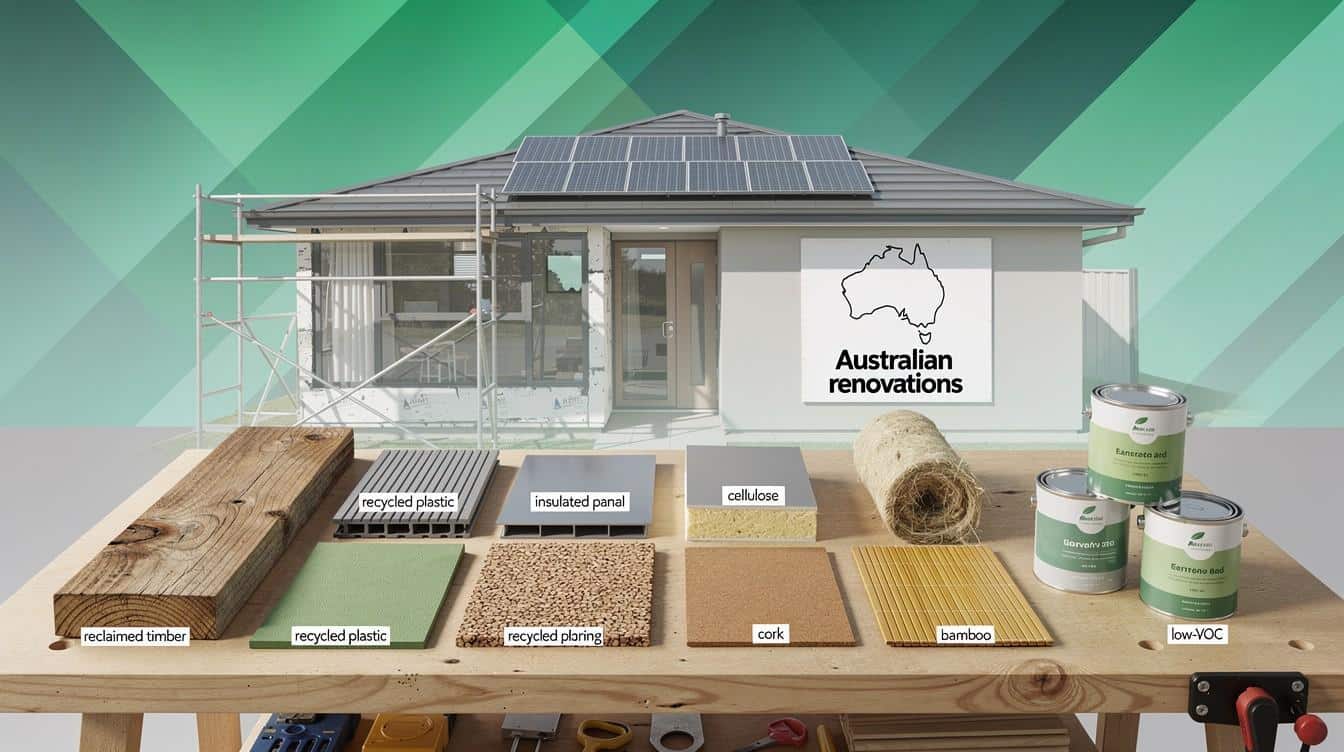
Australian homeowners are increasingly choosing green building materials for renovations, and the reasons are clear: lower energy bills, reduced maintenance costs, and access to government rebates.
We at Home Owners Association know that sustainable options are no longer niche or expensive. Local suppliers, certified environmental product declarations, and online marketplaces make sourcing recycled steel, bamboo, reclaimed timber, and other eco-friendly materials straightforward and practical.
Materials That Perform in Australian Climates
Recycled Steel and Aluminium for Structural Strength
Recycled steel and aluminium dominate structural work because they deliver measurable advantages over virgin materials. Recycled steel retains full strength without quality loss and reduces energy use by 33%, according to industry lifecycle assessments. Aluminium recycling cuts energy demand by up to 95%, making it ideal for window frames, cladding, and structural reinforcement in coastal regions where corrosion resistance matters. Both materials are 100% recyclable, so your renovation avoids locking resources into landfill.

For Australian homes, recycled steel framing handles load-bearing walls and roof structures reliably, while recycled aluminium excels in humid or salt-spray environments where durability prevents costly replacements.
Cross-Laminated Timber Accelerates Construction Timelines
Cross-laminated timber, or CLT, consists of spruce slats bonded with formaldehyde-free adhesives into large solid panels for walls, ceilings, and roofs. The cross-grain structure reduces wood expansion and shrinkage, improving dimensional stability in variable Australian climates. CLT panels arrive pre-cut and ready to install, cutting on-site construction time significantly compared to traditional framing. Austrian producer KLH and German manufacturer best wood SCHNEIDER supply CLT with PEFC certification, verifying sustainable forest management. Large-format panels mean fewer joints, faster assembly, and less site disruption-a genuine advantage for occupied homes. CLT also provides superior thermal mass, stabilising indoor temperatures without relying solely on mechanical systems.
Reclaimed Timber and Salvaged Bricks Reduce Waste
Reclaimed timber from demolition sites and heritage buildings adds genuine character while diverting material from landfill. Adelaide and Rural Salvage operates over 5 acres at 283 Hanson Road, Wingfield, SA, stocking salvaged hardwoods, softwoods, floorboards, and railway sleepers alongside new timber. The business offers machining, cutting, and finishing services on-site, simplifying sourcing and preparation. Salvaged bricks from demolished structures cost less than new equivalents and suit period-appropriate renovations or contemporary designs seeking textural contrast. Reclaimed materials carry embodied energy from their original production, so reusing them avoids manufacturing emissions entirely. For Australian homeowners, sourcing salvaged materials through established yards reduces waste, supports local circular economy practices, and delivers authentic finishes that new materials cannot replicate.
Energy Savings Through Material Selection
Material choices directly impact your home’s thermal performance and long-term operating costs. Upgrading the building envelope (insulation, rendering, windows, and timber panels) typically yields the largest energy savings in renovations. High-performance windows and doors support energy-efficient renovations, while wood fibre insulation combined with wall render systems offers integrated solutions for thermal performance and moisture management. These upgrades work together to reduce heating and cooling demands, lowering your energy bills year after year. Members of the Home Owners Association access trade pricing on these materials, making energy-efficient upgrades more affordable than sourcing independently.
Cost savings and long-term value extend beyond energy bills-maintenance expenses drop significantly when you select durable, climate-appropriate materials that resist degradation in Australian conditions.
How Much Can You Actually Save With Green Materials?
Energy Savings That Compound Over Time
Green materials deliver genuine financial returns through lower energy bills, reduced maintenance, and government support programmes. Upgrading your building envelope typically yields the largest energy savings in renovations, with high-performance windows, insulation, and timber panels working together to cut heating and cooling demands significantly.

Recycled steel and aluminium reduce embodied energy during manufacturing, but the real money comes from operational savings after installation. A home using recycled steel framing with proper insulation cuts yearly heating and cooling energy demands substantially compared to poorly insulated traditional builds, translating to lower power bills every month for decades.
Wood fibre insulation combined with render systems provides integrated thermal performance and moisture management, preventing the mould and degradation costs that plague standard renovations in humid Australian climates. These upgrades pay for themselves through reduced energy consumption over time.
Maintenance Costs Drop With Durable Materials
Maintenance costs drop dramatically when you select durable, climate-appropriate materials that resist degradation. Recycled aluminium excels in coastal regions where corrosion resistance prevents costly replacements, while reclaimed timber from established suppliers like Adelaide and Rural Salvage requires less treatment and maintenance than new materials. The cross-laminated timber panels used in modern renovations resist expansion and shrinkage, reducing joint failure and associated repair expenses across variable Australian seasons.
Selecting materials suited to your local climate means you avoid premature deterioration and the expensive replacements that follow. This approach protects your investment and keeps maintenance budgets predictable.
Government Rebates and Incentives Reduce Upfront Costs
Government rebates and tax incentives vary by state, but most Australian states offer support for energy-efficient renovations, particularly those upgrading to heat pump hot water systems or improving insulation. The Australian government’s energy rebate programmes reward homeowners who reduce operational emissions, and many local councils provide additional incentives for using recycled or salvaged materials. Contact your state government’s energy efficiency office or visit your local council’s website to confirm available rebates before beginning your renovation, as rebate eligibility often depends on material selection and installation by qualified tradespeople.
Planning your material choices around available incentives means your renovation costs less upfront while delivering long-term savings that compound year after year. The combination of lower energy bills, reduced maintenance, and government support transforms green materials from a premium choice into a financially smart decision.
Where to Source Materials at Better Prices
Trade pricing through established suppliers significantly reduces material costs for renovations. Adelaide and Rural Salvage operates over 5 acres at 283 Hanson Road, Wingfield, SA, stocking salvaged hardwoods, softwoods, floorboards, and railway sleepers alongside new timber, with on-site machining and finishing services that simplify sourcing and preparation. Salvaged bricks from demolished structures cost less than new equivalents and suit period-appropriate renovations or contemporary designs seeking textural contrast. Reclaimed materials carry embodied energy from their original production, so reusing them avoids manufacturing emissions entirely while reducing your material budget.
Local suppliers and certified environmental product declarations help you verify material quality and sustainability claims without paying premium prices for unverified products. Online marketplaces specialising in sustainable products expand your sourcing options beyond traditional building suppliers, often offering competitive pricing on recycled steel, aluminium, and timber products.
Finding Reliable Sources for Green Materials
Adelaide and Rural Salvage at 283 Hanson Road, Wingfield, SA represents the gold standard for sourcing reclaimed materials in Australia. Over 5 acres of stock includes salvaged hardwoods, softwoods, floorboards, railway sleepers, and bricks from demolished structures, with on-site machining and finishing services that eliminate outsourcing preparation work. This salvage yard closed to public walk-ins on June 12, 2026, but operates by appointment-contact them directly to arrange viewing times. The business has operated for 32 years and built genuine expertise in matching reclaimed materials to specific project needs. Salvaged bricks cost substantially less than new equivalents, typically 40–60% cheaper depending on quality and availability. Reclaimed hardwoods from heritage buildings carry lower environmental impact than new timber because they avoid manufacturing emissions entirely. The yard’s project gallery documents real-world applications across residential and commercial renovations, demonstrating how salvaged materials perform in Australian conditions. For coastal homes, salvaged brick and timber withstand salt spray and humidity better than many new materials, reducing long-term maintenance expenses.
Certified Environmental Product Declarations Verify Real Claims
Environmental Product Declarations (EPDs) and certifications like PEFC (Programme for the Endorsement of Forest Certification) and the natureplus seal provide third-party verification that material claims are genuine. PEFC certification confirms sustainable forest management and chain-of-custody for timber products, preventing greenwashing and ensuring you purchase genuinely responsible materials. The natureplus seal indicates higher environmental performance for wood products, particularly those manufactured with formaldehyde-free adhesives and low-emission processes. Cross-laminated timber from producers like KLH and best wood SCHNEIDER carry PEFC certification, guaranteeing sustainable sourcing before materials reach Australia. Green Star, Australia’s largest voluntary rating system for buildings, sets criteria for product manufacturers and certifies products through independent verification under the Responsible Products Framework. When selecting recycled steel, aluminium, or engineered wood, request EPDs or Green Star Product Certification documentation from suppliers. These certifications cost suppliers money to obtain and maintain, so their presence signals genuine commitment to environmental standards rather than marketing spin. Online searches for product EPDs through the Green Star website or manufacturer websites take minutes and reveal whether material claims hold scrutiny.
Trade Pricing Makes Green Materials Financially Accessible
Trade pricing through established suppliers reduces material costs significantly compared to retail pricing. Local timber merchants, recycled steel suppliers, and salvage yards typically offer 15–25% discounts for contractors and homeowners purchasing materials in volume or committing to multiple projects. Online marketplaces specialising in sustainable products often undercut traditional building suppliers by 10–20% because they operate with lower overhead.

Request quotes from multiple suppliers before committing, as pricing varies considerably between retailers for identical recycled materials. Recycled concrete for driveways and sub-bases costs less than virgin concrete while delivering identical load-bearing performance, making it an easy financial choice. Many suppliers offer bulk discounts or seasonal promotions on salvaged materials, so timing your renovation around availability periods can reduce costs further. Contact local council waste management teams, as some councils partner with salvage operators and provide referrals to suppliers offering council-negotiated pricing.
Access Trade Discounts Through Membership
Home Owners Association members access trade pricing and discounts on construction, renovation, and maintenance materials nationwide, offering substantial savings on green building products. Membership with the Home Owners Association means more than just savings-it’s about ensuring successful and confident home projects across Australia. The association provides expert advice and resources to help members make informed decisions throughout their home improvement journeys, with personalised guidance tailored to individual project needs.
Final Thoughts
Green building materials deliver measurable environmental and financial benefits that extend far beyond your initial renovation investment. Recycled steel, cross-laminated timber, and reclaimed materials reduce embodied carbon, lower energy bills, and cut maintenance costs across decades of home ownership. Australian homeowners no longer face a choice between environmental responsibility and financial sense-green building materials accomplish both simultaneously.
Sourcing these materials has become straightforward through Adelaide and Rural Salvage, certified environmental product declarations, and online marketplaces specialising in sustainable products. Trade pricing through established suppliers reduces upfront costs significantly, making energy-efficient upgrades and recycled materials financially competitive against conventional alternatives. Government rebates and tax incentives further improve the financial case, particularly for homes upgrading insulation, windows, or hot water systems.
Contact local suppliers for quotes, verify material claims through PEFC certification or Green Star Product Certification, and plan your project timeline around material availability. Members of the Home Owners Association gain access to expert guidance and trade pricing tailored to renovation projects across Australia, ensuring your material selections deliver both quality and savings. Start your renovation with sustainable choices, and you’ll build a home that costs less to operate and requires less maintenance.