Wet basements are one of the most common problems we see among Australian homeowners. Water damage can cost thousands to repair and threaten your home’s structural integrity.
At Home Owners Association, we’ve put together practical strategies to help you tackle basement waterproofing in Australia before moisture becomes a costly problem. This guide covers solutions that work for our climate, from DIY prevention to professional options.
Why Basements Get Wet in Australia
Australian basements face water intrusion because our climate, soil conditions, and building practices create a perfect storm for moisture problems. Australia’s rainfall patterns vary dramatically by region, but coastal areas and eastern states experience intense downpours that overwhelm poorly designed drainage systems. When heavy rain falls, water doesn’t infiltrate the soil evenly-it pools around foundations, especially in suburbs where basements sit on clay or shallow topsoil over sandstone. This stagnant water exerts hydrostatic pressure against basement walls, forcing moisture through even tiny cracks in concrete. The problem intensifies because many older Australian homes were built without modern waterproofing standards, and even newer constructions sometimes cut corners on drainage infrastructure to save costs.
Ground Conditions Determine Your Risk Level
Your basement’s vulnerability depends entirely on what lies beneath your property. In high-value inner suburbs like Toorak and Malvern, where basements are becoming more common, builders face complex ground conditions that complicate excavation and waterproofing. Sandy soils drain better than clay, but clay dominates much of eastern Australia’s residential areas, meaning water sits longer around your foundation. If your block slopes toward the house rather than away from it, water naturally channels toward your basement walls. Foundation cracks develop from soil movement, concrete settling, and temperature fluctuations-Australia’s hot summers cause concrete to expand and contract annually, creating stress fractures that remain invisible but threaten waterproofing integrity. Even hairline cracks allow capillary action to draw moisture upward into basement walls, promoting mould growth and structural deterioration over time.
Drainage Systems Fail When They’re Undersized or Neglected
Most Australian basements lack adequate perimeter drainage systems, or the systems installed sit too shallow or slope incorrectly to function effectively. A proper drainage system must channel water away from the foundation at a slope of at least one inch per eight feet, but many homes have flat or reversed grades that direct water toward the basement instead. Gutters and downspouts matter more than homeowners realise-a single downspout depositing water one metre from your foundation can saturate the soil and create hydrostatic pressure that forces water through walls. Sump pumps provide insurance against water accumulation, but they only work if installed correctly with proper discharge lines that run water at least two metres away from the foundation. Inspect your perimeter drainage annually, clear debris from gutters before storm season, and verify that downspouts extend far enough from the house to prevent water pooling near basement walls.

What Happens Next
Understanding why your basement leaks matters, but identifying the right waterproofing solution requires knowledge of the methods available to Australian homeowners. Interior and exterior techniques offer different advantages depending on your situation, and the choice between them shapes both your costs and long-term protection.
Effective Waterproofing Solutions for Australian Homes
Interior Waterproofing: A Secondary Defence Layer
Interior waterproofing stops water after it enters your basement, but it functions best as a secondary defence when combined with exterior barriers and proper drainage. Products like concrete sealers and epoxy coatings cost between AU$30 and AU$80 per square metre applied to interior walls, and they temporarily block moisture from rising through concrete. However, these solutions fail when hydrostatic pressure builds outside your basement walls-the pressure forces water through any weak points, rendering interior coatings ineffective against serious wet basement problems.
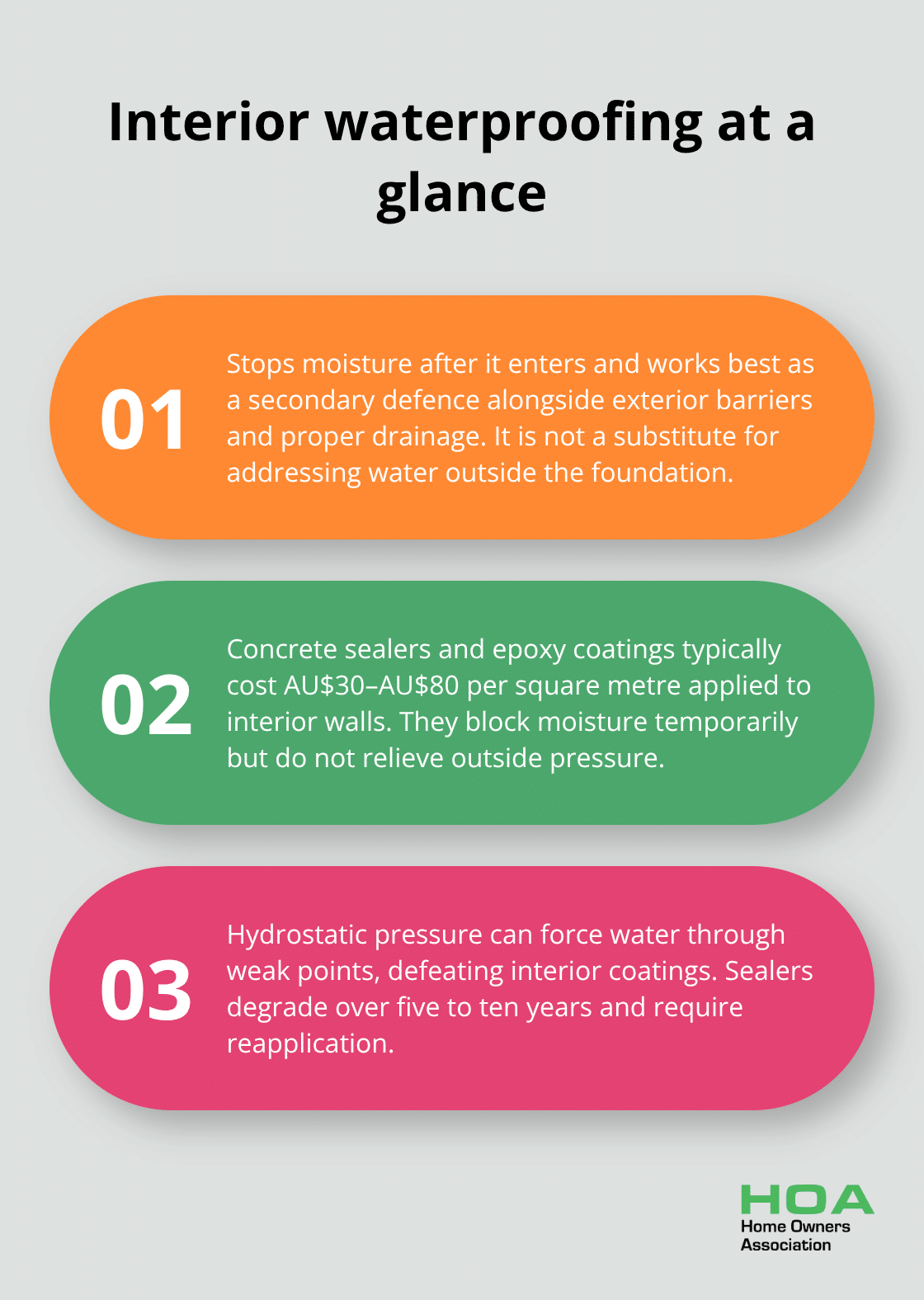
Interior waterproofing also requires ongoing maintenance because sealers degrade over five to ten years and need reapplication.
Exterior Waterproofing: The Superior Long-Term Approach
Exterior waterproofing prevents water from arriving at your foundation in the first place, which is why we at Home Owners Association believe it delivers superior long-term protection. Rubberised or polyurethane coatings applied to exterior foundation walls before backfilling typically cost AU$100 to AU$200 per square metre installed and address the root cause by creating a barrier that prevents water from contacting your foundation. Excavation costs for exterior work run AU$80 to AU$150 per square metre depending on soil conditions and site access, which explains why many homeowners initially resist this approach. Installing proper exterior drainage alongside the membrane is non-negotiable-a perimeter drain system with gravel and perforated piping positioned at the foundation footing level costs approximately AU$150 to AU$300 per linear metre but channels groundwater safely away from your basement walls.
Sump Pumps: Your Final Line of Defence
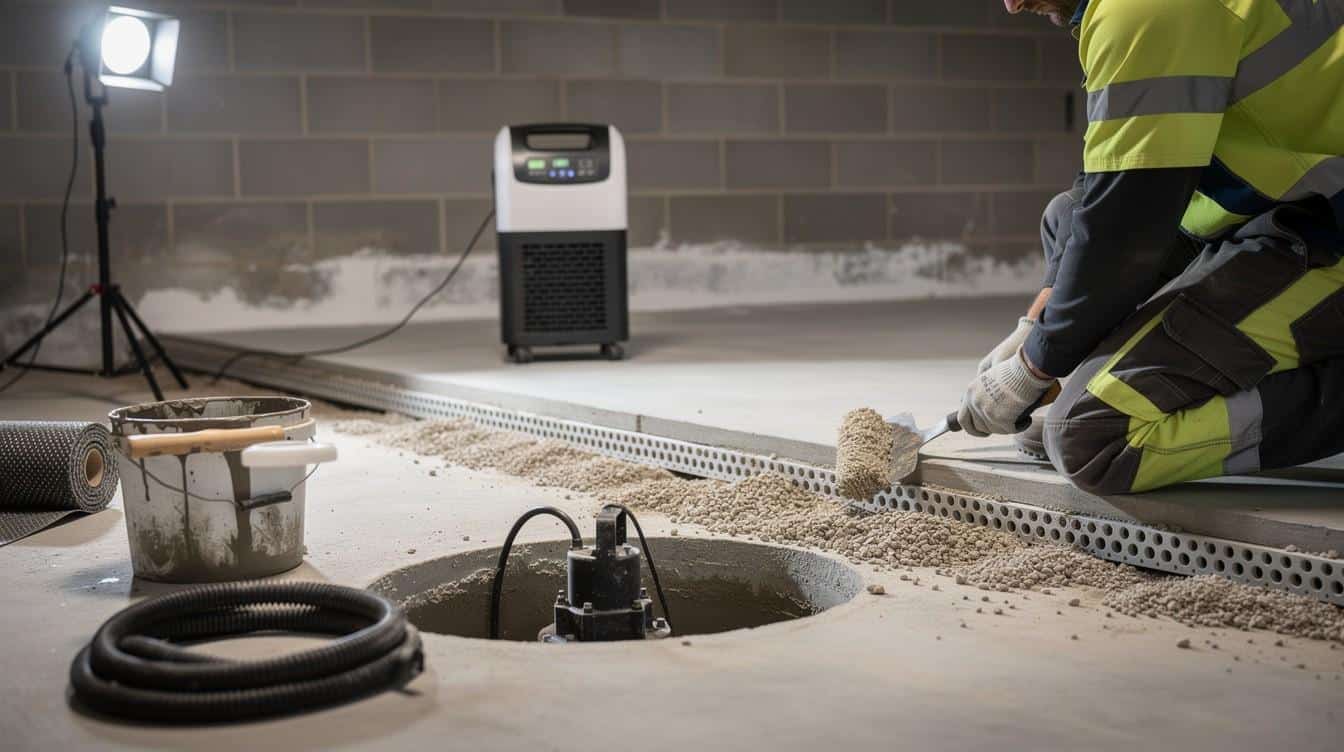
Sump pumps remove water that accumulates in a basin beneath your basement floor and function as critical backup protection. Install a sump pit at least one metre deep in the lowest point of your basement, and size the pump to handle sump pump capacity requirements that range from 1,000 to 50,000 litres per hour depending on your site conditions. Submersible sump pumps cost AU$400 to AU$1,200 depending on power and reliability ratings, and they require a discharge line that extends at least two metres away from your foundation-never discharge water within one metre or you simply recirculate the problem. Battery backup pumps add AU$500 to AU$800 to your installation cost but protect your basement during power outages when heavy rain typically occurs. Inspect your sump pump quarterly, test it monthly by pouring water into the pit to verify it activates, and clean the inlet screen to prevent clogging.
Creating Redundant Protection Through Layered Systems
Combining exterior waterproofing, proper grading that slopes away from your house at minimum one inch per eight feet, and a functioning sump pump system creates redundant protection that addresses Australian rainfall patterns effectively. This layered approach costs more upfront-typically AU$15,000 to AU$35,000 for a complete basement waterproofing project depending on size and excavation difficulty-but prevents water damage repairs that frequently exceed AU$50,000 once mould and structural damage occur. The investment protects your property value and eliminates the stress of managing recurring moisture problems. Understanding which waterproofing methods work best for your specific situation requires knowledge of your site conditions and budget constraints, which leads directly into cost-effective strategies that help Australian homeowners make informed decisions about their waterproofing investments.
Cost-Effective Waterproofing Strategies for Australian Homeowners
DIY Prevention Measures Save Money and Stop Problems Early
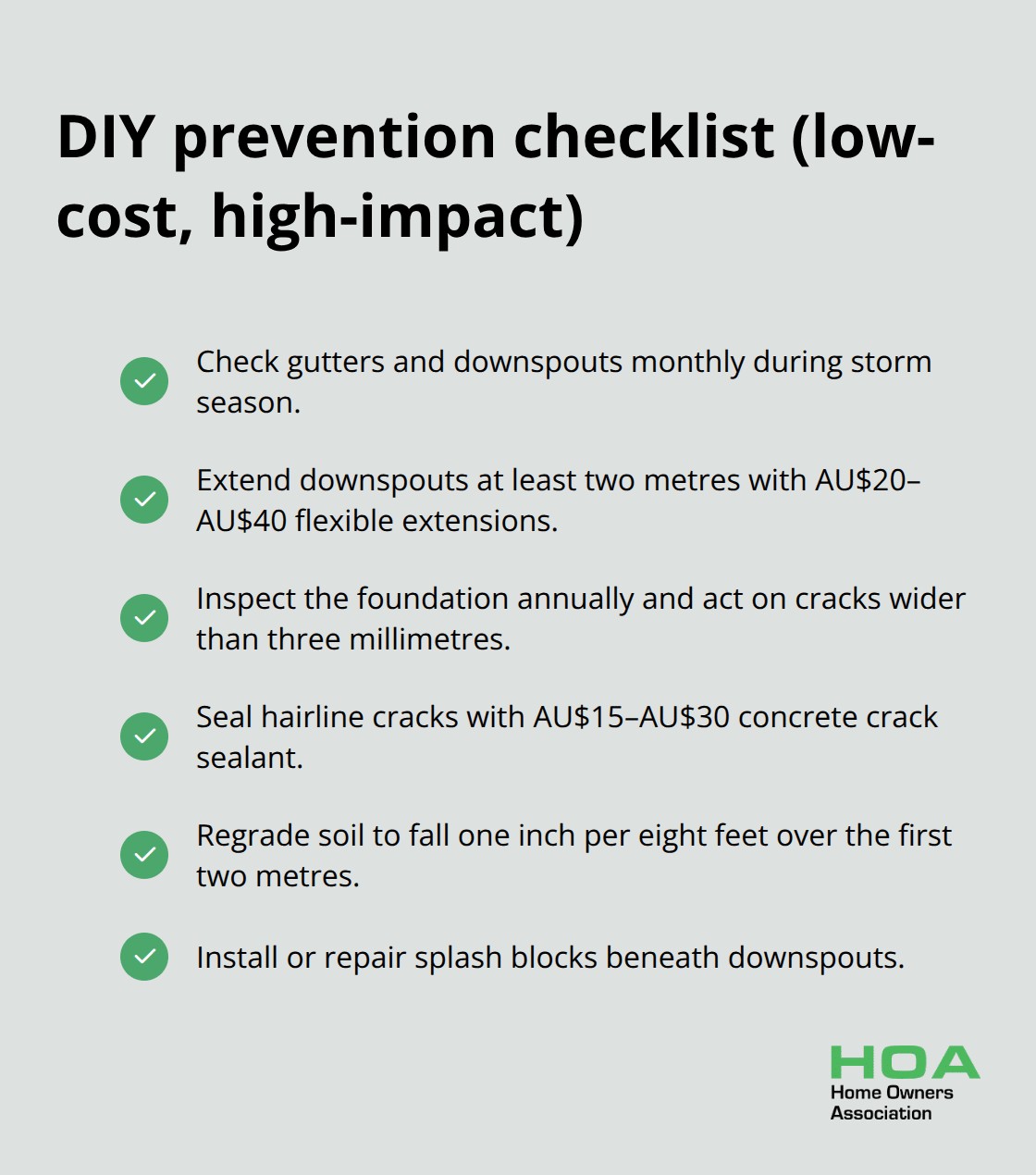
DIY maintenance prevents expensive waterproofing failures before they start, and the work costs almost nothing compared to professional repairs. You should check your gutters and downspouts monthly during storm season, remove debris that blocks water flow, and extend downspouts at least two metres from your foundation using flexible extensions that cost AU$20 to AU$40 at hardware stores. Inspect your foundation annually for new cracks wider than three millimetres, which indicate structural movement that demands professional attention. Seal hairline cracks immediately using concrete crack sealant products that cost AU$15 to AU$30 per tube and take 30 minutes to apply yourself. Grade your landscaping so soil slopes away from your house at minimum one inch per eight feet over the first two metres from your foundation, which redirects rainfall naturally and costs nothing if you manage it during regular garden maintenance. Install or repair splash blocks beneath downspouts to further direct water away from your foundation perimeter. These prevention measures take 4 to 6 hours annually and typically cost under AU$200 per year, yet they eliminate the majority of basement moisture problems that plague Australian homeowners.
Professional Waterproofing Services Deliver Guaranteed Results
Professional waterproofing services deliver guaranteed results when DIY prevention fails or your site conditions demand expert intervention. Exterior waterproofing contractors in Australia typically charge AU$80 to AU$150 per square metre for excavation plus AU$100 to AU$200 per square metre for membrane installation, meaning a 40-square-metre basement costs approximately AU$7,200 to AU$14,000 for complete exterior protection. Interior sealant application costs significantly less at AU$30 to AU$80 per square metre but only works as backup protection, not primary defence against serious wet basements. Sump pump installation runs AU$500 to AU$2,000, with factors like excavation depth, soil conditions, and system complexity affecting pricing. Request written quotes from at least three licensed waterproofing contractors before committing to any project, and verify they hold appropriate licensing and insurance for your state.
Long-Term Investment Benefits and Property Value Protection
The complete waterproofing system combining exterior barriers, grading correction, and sump pump installation costs AU$15,000 to AU$35,000 depending on your basement size and excavation difficulty, which sounds expensive until you consider that water damage repairs frequently exceed AU$50,000 once mould remediation and structural repairs become necessary. This investment protects your property value permanently because future buyers immediately recognise properly waterproofed basements as eliminated risk, whereas wet basements trigger expensive inspections and price reductions during sale negotiations. Your waterproofing system pays for itself through avoided damage costs and retained property value within 10 to 15 years for most Australian homeowners, making it one of the highest-return investments you can make to your home. Members of Home Owners Association gain access to trade pricing and discounts on waterproofing materials and contractor services, which substantially reduces your total project costs while maintaining quality standards.
Final Thoughts
Basement waterproofing Australia demands a multi-layered approach that addresses your specific site conditions, climate challenges, and budget constraints. The strategies we’ve covered-from DIY prevention measures costing under AU$200 annually to professional exterior waterproofing systems ranging from AU$15,000 to AU$35,000-all work best when you implement them before water damage occurs. Acting early by inspecting your foundation, maintaining gutters, and correcting grading prevents expensive repairs that frequently exceed AU$50,000 once mould and structural deterioration take hold.
Water damage accelerates once it starts, spreading through concrete, wood framing, and insulation while creating conditions that promote mould growth and structural failure. The difference between a dry basement and a wet one often comes down to whether you address moisture problems proactively or reactively. Your basement waterproofing project becomes significantly more expensive and disruptive the longer you wait, which is why we at Home Owners Association strongly recommend scheduling a professional assessment as soon as you notice any signs of moisture.
Members of Home Owners Association gain access to trade pricing and discounts on waterproofing materials and contractor services, which substantially reduces your total project costs while maintaining quality standards. Visit Home Owners Association to explore membership benefits and connect with resources designed specifically for Australian homeowners facing basement moisture challenges. Your dry basement and protected property value depend on taking action today rather than managing water damage tomorrow.