Modular home extensions offer a faster, more predictable way to expand your living space without the chaos of traditional construction. We at Home Owners Association see homeowners increasingly choosing this approach because it cuts timelines and reduces on-site disruption.
This guide walks you through every step-from planning and selecting the right system to installation and finishing touches.
Planning Your Modular Home Extension
Identify Your Real Needs
Walk through your home and identify exactly what you need. Do you want a more open-plan layout for family living? Do you need more bedrooms and utility rooms? Does natural light need to be a priority in your new space? Write down how you use your current space and where the gaps are.
This clarity matters because it determines which modular configuration makes sense for you. A single-room addition costs far less than a multi-room expansion, and some providers offer granny flats, home office studios, and teenage retreat modules as pre-designed options. Think about natural light too-large windows and skylights reduce reliance on artificial lighting and make smaller spaces feel more open. You avoid paying for features you’ll never use when you know what you actually need.
Navigate Planning and Permits
Contact your local council about planning requirements because this is where most homeowners lose time. In Melbourne, most modular extensions require planning permits, and the approval process typically takes two to three months. Start this conversation early. Some prefabricated designs may be exempt from planning approvals depending on your location, which can shorten the timeline significantly, but you won’t know until you ask.
While you gather planning information, commission a detailed site assessment before construction begins. This assessment checks for underground utilities, soil conditions, and delivery or access constraints-issues that surface later cost thousands extra. Foundation choices include concrete slabs for ground-level extensions and raised foundations for sloping or flood-prone sites, with site preparation typically taking two to three weeks.
Set Your Budget and Timeline
Establish a realistic budget and timeline from the start. Average home extension costs range from $2,000 to $4,000 per square metre, so a 30-square-metre extension could cost around $120,000. Modular extensions typically cost 30% less than traditional builds and complete within weeks rather than months, but you need upfront, transparent pricing from reputable providers to avoid hidden charges.

Ask whether your living area expansion can integrate solar panels, high-quality insulation, and smart home features from the start (these upgrades lower long-term energy costs and add genuine value rather than becoming afterthoughts that disrupt construction). With your needs, permits, and budget locked in, you’re ready to explore which modular system and materials will deliver the best outcome for your specific situation.
Selecting Your Modular System and Materials
Compare Modular Approaches and Providers
The modular market offers distinct approaches, and your choice shapes your project’s cost, timeline, and final quality. Some providers deliver Australian-made builds using local timbers and Colorbond roofing with long-term structural warranties, while others focus on rapid assembly systems with aluminium composite panels that move from factory to installation within days. The difference lies in what you prioritise: traditional craftsmanship suits homeowners who value durability for spaces like home offices or guest rooms, whereas rapid-assembly systems work better if you need to occupy the space quickly and budget constraints matter most. A 20-square-metre extension typically costs between $40,000 and $80,000 depending on finishes and inclusions, so material choices directly affect your bottom line.

Invest in Energy-Efficient Features
High-quality insulation in walls and ceilings cuts heating and cooling costs by around 45% or more, making it worth the upfront investment if you plan to stay long-term. Double-glazed windows reduce heat loss or gain by almost 30% compared to single-glazed alternatives, delivering measurable energy savings that compound over years. Solar panels with battery storage rank among the top energy upgrades in 2025, enabling you to actively manage consumption and reduce grid reliance-ask whether your chosen modular provider can integrate these from the start rather than retrofitting them later at higher cost.
Select Durable Materials That Last
Material durability matters more than aesthetics because your extension will outlast trends. Exterior fibre cement cladding requires minimal maintenance and resists weather damage better than cheaper alternatives, while engineered timber flooring and large-format tiles inside create modern finishes without the fragility of solid timber in high-moisture areas. Modular providers increasingly offer eco-friendly options using sustainable materials and low-VOC paints, reducing environmental impact without sacrificing performance. Request detailed specifications on insulation R-values, window frame materials, and roofing systems before committing-cheap materials save $5,000 upfront but cost far more through higher energy bills and premature repairs.
Plan for Smart Home Integration and Future Upgrades
Some modular designs now include future-proof wiring with structured cabling and extra data conduits, supporting smart home integration and EV charging without disruptive rewiring later. Turnkey packages from established providers typically run $27,655 to $44,520 plus GST for completed spaces between 10 and 20 square metres, though bathrooms add around $13,500 and kitchenettes around $7,000 beyond the base price. Transparent pricing upfront prevents the budget overruns that plague traditional extensions-reputable modular builders state total costs in writing before manufacturing begins, eliminating hidden charges that emerge during construction. With your modular system selected and materials locked in, the next phase focuses on preparing your site and coordinating the physical delivery and assembly that transforms your extension from design into reality.
Installation and Integration Process
Clear Access Routes and Measure Constraints
Site preparation determines whether your modular extension arrives on schedule and assembles without costly delays. You need to clear access routes so modular sections can reach your property on trucks that require a straight path. Measure your access width and height carefully; most delivery vehicles need a minimum of 3.5 metres width and 4.2 metres clearance. Tree branches or power lines overhead create real problems that cost thousands to resolve once the truck is already booked. Tight driveways or narrow gates can force expensive rerouting or crane hire, so address these issues before you confirm your delivery date.
Map Underground Utilities and Plan Foundations
You must commission a detailed site survey to map underground utilities including water mains, gas lines, and electrical conduits before foundation work starts. Hitting a gas line during excavation stops your project for weeks and creates safety hazards that no homeowner wants. Foundation preparation typically takes two to three weeks, whether you install a concrete slab for ground-level extensions or raised foundations for sloping or flood-prone sites. You get this right because poor foundation work undermines the entire structure, and modular sections assemble with precision tolerances that expose any unevenness immediately.
Coordinate Delivery and On-Site Assembly
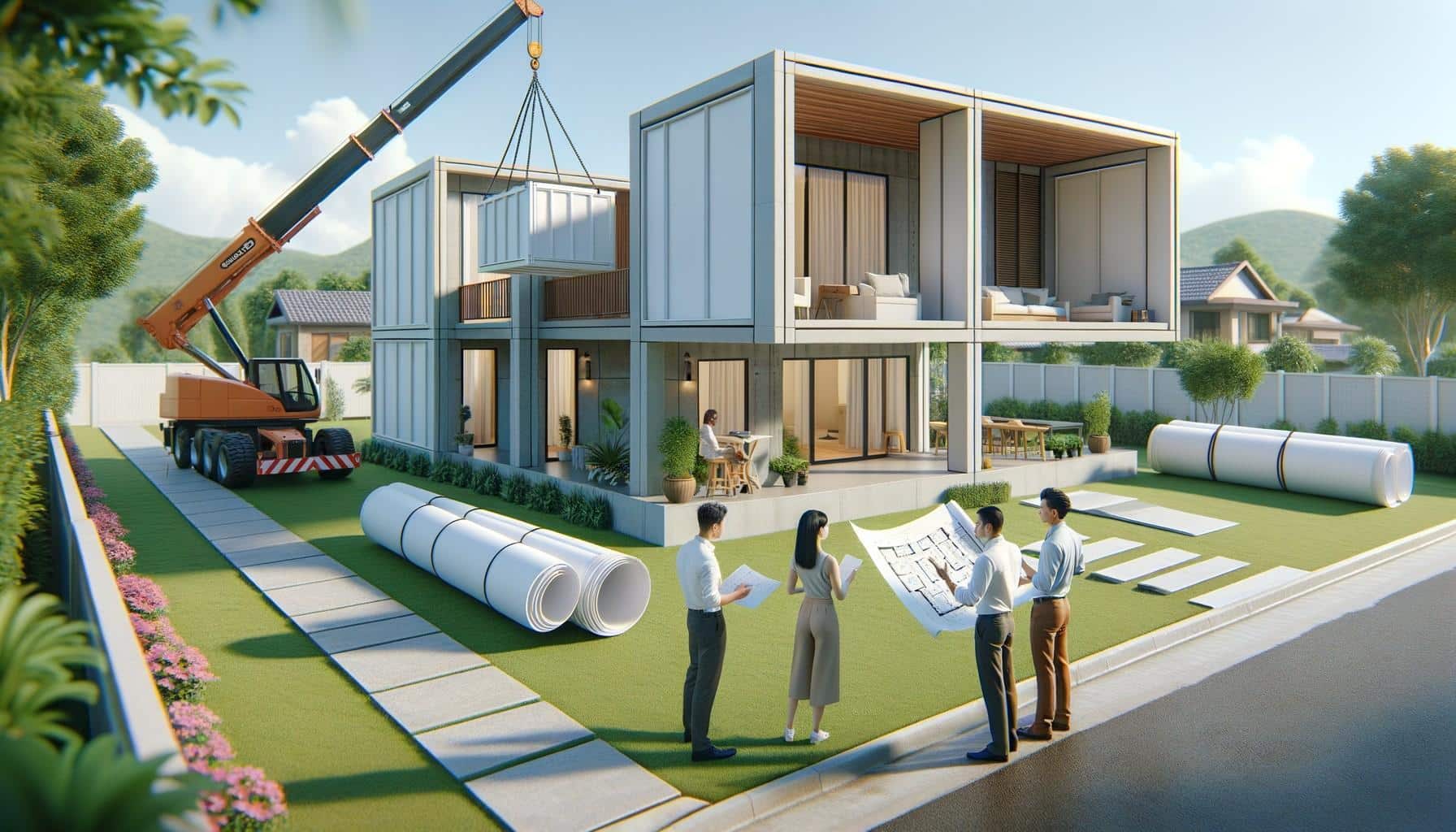
The assembly phase moves fast once modules arrive on-site, usually completing within a week because factory-built components fit together with millimetre accuracy. You should coordinate delivery timing carefully; most providers offer 90% response times within four hours on business days, so confirm your exact arrival date and place someone on-site to direct placement. On-site assembly requires minimal heavy machinery compared to traditional builds-no cranes needed for most residential modules, which matters if you have constrained space or neighbours close by. Once modules lock into position, utility connections including water, gas, and electrical hookups happen quickly.
Complete Interior Finishing and Final Handover
Interior finishing work including painting, flooring installation, and fixture placement adds another two to three weeks after assembly completes. You can expect total on-site presence of around four weeks from foundation prep through final handover. This compressed timeline means you avoid months of construction noise and disruption that traditional extensions demand. Most families remain in their homes during the entire process without major lifestyle interruption.

Final Thoughts
Modular home extensions deliver measurable advantages that traditional construction cannot match. You gain a faster timeline, transparent upfront pricing, and minimal on-site disruption while your family continues living normally. The 30% cost savings compared to conventional builds, combined with completion within weeks rather than months, make this approach financially and practically superior for most homeowners expanding their living space.
Long-term value flows from the energy-efficient features you integrate from the start-high-quality insulation, double-glazed windows, and solar panels lower your utility bills year after year, offsetting the initial investment through genuine operational savings. Durable materials like fibre cement cladding and engineered timber flooring require minimal maintenance, protecting your investment without constant repairs. A ten-year structural warranty from reputable providers gives you confidence that your modular home extension will perform reliably for decades.
Contact modular providers in your area, request transparent quotes with all costs included, and confirm they can meet your timeline and budget. We at Home Owners Association recommend discussing your project with our team, as members access trade pricing and discounts on construction materials, plus expert guidance to keep your project on track. With clear planning, the right provider, and realistic expectations, your modular extension will transform your home into the space your family actually needs.