Wood is one of the most important decisions you’ll make for your home’s interior. The difference between timber that lasts decades and wood that deteriorates in years comes down to quality and how you care for it.
At Home Owners Association, we’ve put together quality timber recommendations that cover everything from selecting the right wood species to maintaining your investment. This guide walks you through exactly what to look for and how to protect your wood for the long term.
What Makes Timber Last Decades Instead of Years
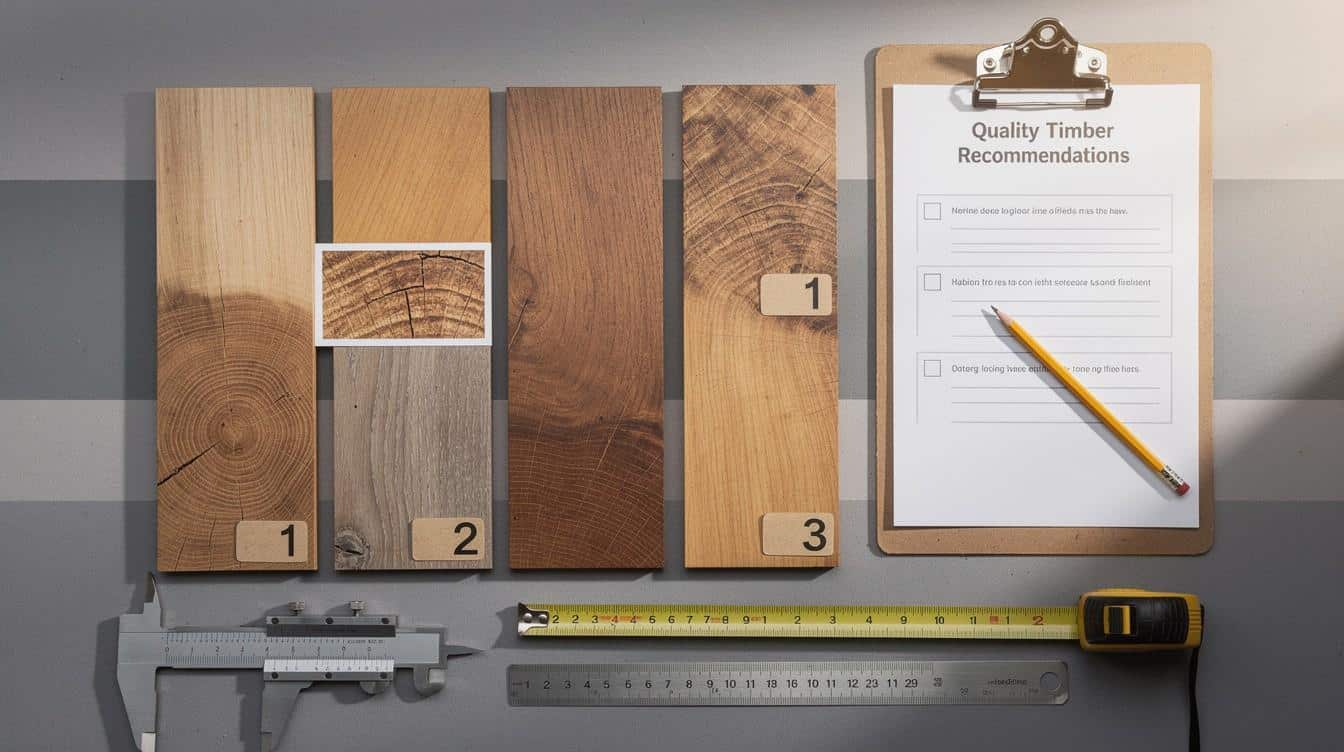
Hardwood and softwood perform entirely differently in interior spaces, and selecting the wrong type is the fastest way to watch your investment deteriorate. Hardwood species like Jarrah, Tasmanian Blackwood, and American White Oak possess dense grain structures that resist dents, scratches, and moisture penetration far better than softwoods. Jarrah, classified as Class 1 durability, naturally resists termites, rot, and fire, making it exceptional for pieces you want to pass down. Tasmanian Blackwood offers Class 2 durability with rich chocolate tones and a grain that polishes to a glass-like finish. American White Oak provides Class 2 durability and tolerates outdoor use without failing, while American Walnut delivers superior workability and deep chocolate to purplish-black tones that age beautifully. For high-traffic dining tables, wardrobes, and kitchen cabinetry, hardwoods are non-negotiable because their higher density means they actually improve with age rather than deteriorate. Softwoods like Pine and Cedar work only for decorative pieces or low-traffic shelving. Pine is affordable and lightweight but requires meticulous finishing to avoid moisture damage.

Cedar naturally resists insects and decay, making it suitable for storage and outdoor furniture, yet it still lacks the longevity hardwoods deliver. The density difference is measurable: hardwoods typically exceed 700 kilograms per cubic metre, while softwoods fall below 600, meaning softwood furniture simply cannot withstand the daily wear that hardwood handles effortlessly.
Moisture Content Determines Structural Integrity
Timber with excessive moisture content will warp, split, and develop gaps within months. Quality timber arrives at 8 to 12 percent moisture content for interior use, which allows it to stabilise in your home’s environment without dramatic movement.

Engineered timber outperforms solid wood in moisture stability because its multi-layer construction reduces seasonal expansion and contraction that causes splits and warping. Solid hardwoods like Jarrah and Tasmanian Blackwood still perform reliably indoors when properly finished, but engineered options minimise gaps that appear as seasons change. Check timber specifications before purchasing and verify moisture content documentation.
Identifying Quality Construction Details
Grain patterns reveal species authenticity and longevity. Tasmanian Blackwood’s interlocking grain indicates structural stability, while Marri’s distinctive veining and American White Oak’s ray fleck patterns confirm genuine timber rather than veneers. Joinery methods separate quality furniture from disposable pieces: dovetail joints in drawers, mortise-and-tenon connections in tables and chairs, and biscuit joints for panel alignment all indicate craftsmanship that lasts. Surface finishes matter equally. Oil and varnish finishes are best known for their robustness, while water-based finishes provide adequate protection with less yellowing. Thermally modified timber (treated through heat rather than chemicals) develops rich tones and enhanced moisture resistance without toxic treatments. Run your hand across timber before committing-smooth, well-sanded surfaces indicate careful production, while rough or splintered wood signals shortcuts that compromise longevity. These details separate timber that lasts decades from pieces that fail within years, and they shape how your interiors perform over time.
Timber Selection for Every Room in Your Home
High-Traffic Flooring Demands Hardwood Density
American White Oak dominates high-traffic flooring because it delivers Class 2 durability with light tan to medium brown tones and distinctive ray fleck patterns that hide footprints and dust effectively. White Oak withstands constant foot traffic and ages gracefully with a unique patina that actually improves appearance over decades. For kitchens and hallways where moisture and dirt accumulate rapidly, engineered timber with White Oak veneers outperforms solid timber because the multi-layer construction resists seasonal movement that creates gaps in solid wood floors.
Dark timber tones in these high-traffic zones hide dirt and pet hair far better than light finishes, so try Jarrah’s deep red-brown colour or River Red Gum’s pinkish-red tones if you want practical longevity without constant maintenance. Matte finishes on engineered timber hide imperfections that glossy options expose, making them the superior choice for busy households.
Cabinetry Requires Superior Workability and Stability
Cabinetry and built-in furniture demand hardwoods with superior workability and stability, which is why Tasmanian Blackwood and American Walnut dominate premium installations. Tasmanian Blackwood’s Class 2 durability combined with its ability to polish to a glass-like finish makes it exceptional for kitchen cabinetry, while American Walnut’s deep chocolate to purplish-black tones deliver a luxury appearance that justifies its premium price point.
Mortise-and-tenon joinery and dovetail joints confirm craftsmanship that prevents the warping and separation that destroys cheaper cabinetry within five years. These construction details separate pieces that function flawlessly for decades from installations that fail prematurely.
Wall Paneling and Feature Walls Allow Aesthetic Flexibility
Wall panelling and feature walls tolerate softer timber species because they receive minimal physical wear, allowing you to select for aesthetics rather than durability alone. Marri’s distinctive veining and golden honey hues create striking contemporary Australian interiors, while thermally modified pine offers cost-effective character with enhanced moisture resistance without chemical treatments.
Shou Sugi Ban, the traditional Japanese charring technique, delivers a dramatic carbon-black appearance with textured depth that commands attention in minimalist or industrial spaces, though it requires specialist installation knowledge. For commercial hospitality spaces like boutique hotels and restaurants, timber walls and ceilings benefit from protective finishes that extend longevity while managing acoustic properties that soften ambience in high-noise environments.
Maintenance Strategies Protect Your Timber Investment
Once you’ve selected the right timber for each space, protection becomes your next priority. The finishes you apply and the care routines you establish determine whether your timber investment ages beautifully or deteriorates prematurely, which is why understanding maintenance fundamentals shapes your long-term results.
Keeping Timber in Peak Condition
Timber requires consistent care, but the maintenance routine itself is straightforward and costs far less than replacing damaged pieces. Start with dusting using a soft, dry cloth weekly to prevent dirt and grit from scratching surfaces, then wipe with a barely damp cloth followed immediately by a dry cloth to avoid moisture penetration. Never use harsh chemical cleaners or abrasive materials on timber-these strip protective finishes and damage the wood beneath.

Choose Finishes That Hide Imperfections
Matte finishes hide dust and imperfections better than glossy options, which is why they suit high-traffic areas where you cannot maintain perfection. For timber furniture and cabinetry, apply furniture oil or wax every three to six months depending on use intensity and your climate. This regular application maintains the protective layer that keeps moisture out and preserves the wood’s natural appearance.
Protect Timber from Environmental Damage
Timber exposed to direct sunlight fades and becomes brittle over time, so position furniture away from windows or install UV-filtering window treatments if relocation is impossible. Temperature swings and humidity fluctuations cause the wood grain to expand and contract, creating visible gaps and warping that permanent damage cannot fix. Maintain indoor humidity between 30 and 50 percent using a humidifier during dry months and a dehumidifier during wet seasons, as this stability prevents the seasonal movement that splits solid timber and separates joinery.
Address Moisture in Kitchens and Bathrooms
Kitchens and bathrooms demand extra vigilance because moisture accelerates rot and fungal growth-wipe spills immediately and ensure proper ventilation runs continuously during and after cooking or showering. Engineered timber with protective surface coatings resists moisture better than solid wood, making it the practical choice for bathrooms and splashback areas where moisture is unavoidable.
Handle Damage Promptly and Professionally
When damage appears, address it promptly rather than hoping it will resolve itself. Surface scratches in hardwood like Jarrah or Tasmanian Blackwood can be sanded out and refinished if caught early, but deep gouges or water stains require professional restoration to match grain and colour. For cabinetry with mortise-and-tenon joinery that develops slight movement, tightening fasteners and reapplying finish often restores function without full reconstruction. Wood with visible warping or separation at joints cannot be salvaged affordably and should be replaced, as attempting repairs typically costs nearly as much as new pieces. Professional refinishing extends timber lifespan dramatically by renewing protective finishes before they fail completely. This investment costs significantly less than replacing cabinetry or flooring that deteriorated from neglect, and it restores the original appearance that makes your interiors feel current and well-maintained.
Final Thoughts
Selecting quality timber for your home’s interior pays dividends for decades when you make informed choices and commit to basic maintenance. Hardwoods like Jarrah, Tasmanian Blackwood, and American White Oak deliver the density and stability that softwoods cannot match, while engineered timber options provide superior moisture resistance for high-traffic areas and moisture-prone spaces. These quality timber recommendations work across flooring, cabinetry, and wall panelling when matched to each room’s specific demands.
The long-term value of investing in premium materials becomes apparent when you compare the cost of replacing failed timber against the minimal expense of proper maintenance. A hardwood dining table or kitchen cabinetry built with mortise-and-tenon joinery functions flawlessly for generations, while cheaper alternatives fail within five to ten years. Regular dusting, occasional oiling, humidity control, and prompt damage repair cost far less than full replacement and preserve the appearance that makes your home feel current and well-maintained.
We at Home Owners Association provide personalised support to help you navigate timber selection and prevent costly mistakes on your projects. Visit Home Owners Association to connect with resources and guidance that transform your timber investment into interiors that last for generations.