Small home extensions are one of the smartest ways to add value and functionality to your property without a major renovation budget. Whether you’re looking to create extra living space, add a granny flat, or expand your kitchen, the right extension can completely change how you use your home.
At Home Owners Association, we’ve helped countless homeowners navigate the planning, permits, and construction process. This guide walks you through the most popular extension ideas, cost-effective solutions, and everything you need to know about local council requirements and timelines.
What Extension Types Deliver Real Results for Australian Homes
Sunrooms and Glass Enclosures Transform Light and Space
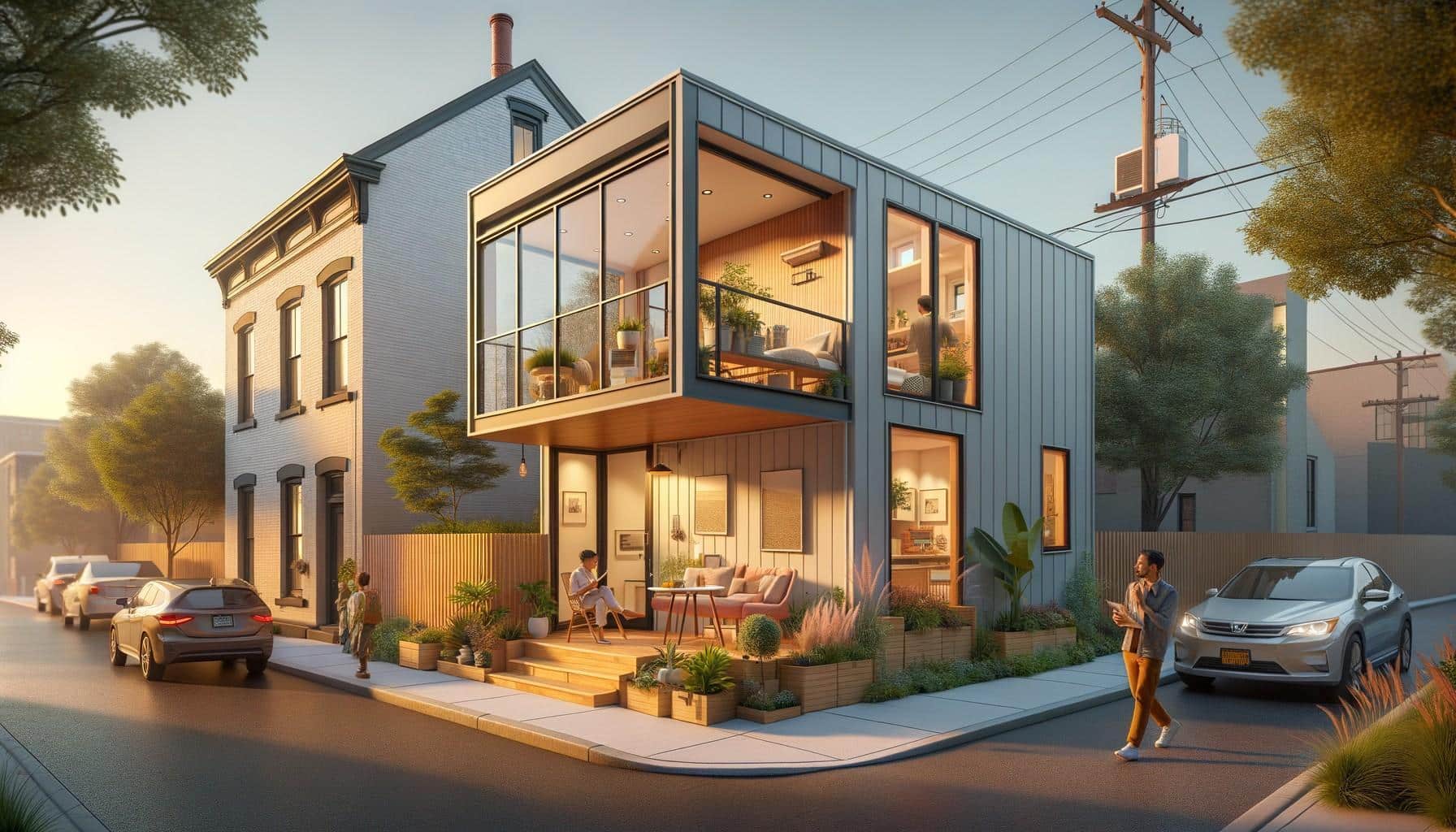
Sunrooms and glass enclosures create immediate impact on natural light and usable space. A four square-metre side-return extension links your kitchen and dining room while flooding the space with daylight, according to design analysis from Houzz. Positioning matters significantly-widening the back opening in a compact extension boosts light dramatically and creates an airier feel without massive construction costs. Full-length skylights paired with vertical glazing panels reflect light into adjacent living rooms and transform how the space feels throughout the day. Mirrored upper cabinets amplify this effect further, making open-plan kitchen-diners feel substantially larger. Glass extensions work across different home types, from Victorian properties to modern builds, so you’re not locked into a specific architectural style.
Granny Flats Generate Income and Support Multi-Generational Living
Granny flats and secondary dwellings represent a different value proposition entirely. These self-contained units generate rental income, support multi-generational living arrangements, and meet growing buyer demand in the property market. A well-designed granny flat transforms underused backyard space or side areas into genuine income-generating assets. This approach appeals to families seeking flexibility without relocating to a larger property.
Kitchen and Bathroom Extensions Deliver the Highest Returns
Kitchen and bathroom extensions remain the highest-return investments for Australian homeowners. Kitchen remodels deliver up to 75% ROI, while average kitchen extension costs sit around $27,500 and bathroom extensions around $19,000. The Australian home renovation market continues to grow, with kitchen and bathroom projects consistently outperforming other renovation types in return on investment.

Small Extensions Maximise Function on Tight Budgets
Even modest extensions around six square metres provide a separate studio, powder room, and utility area, maximising function on tight plots. Small extensions consistently outperform larger renovations in cost-to-value ratio, which matters when your budget is constrained. Ground floor extensions deliver predictable pricing at $2,200 to $3,500 per square metre, while double storey projects achieve better value for larger projects. Open-plan layouts that connect living areas with outdoor spaces through bi-fold doors amplify the perceived space gain, making smaller extensions feel substantially larger. Energy-efficient windows and better insulation have become standard expectations, not optional upgrades, with government incentives supporting these choices.
Understanding which extension type suits your needs and budget sets the foundation for your project. The next step involves exploring cost-effective solutions that keep your extension affordable without compromising quality or durability.
Making Your Extension Budget Work
Strategic Design Choices Beat Overall Size
The cost difference between a full-width extension and a smaller, smarter addition remains minimal, which makes strategic design choices far more important than overall size. Ground floor extensions typically run $2,500 – $4,000 per m², so a six square-metre addition lands around $15,000 to $24,000 before finishes. This affordability opens real possibilities for homeowners who thought extensions were out of reach. Energy-efficient windows and insulation have become standard expectations rather than premium upgrades, and government incentives like the Green Build Grant actively support these choices, reducing your net cost significantly.

Design Decisions Deliver More Value Than Larger Footprints
The real savings come from design decisions, not corner-cutting on materials. Open-plan layouts that connect your kitchen to outdoor areas through bi-fold doors cost less to construct than adding multiple separate rooms, yet deliver more perceived space. Mirrored upper cabinets and full-length skylights cost far less than expanding square footage, yet transform how light moves through your extension. Small extensions consistently outperform larger renovations in cost-to-value ratio because you pay less upfront while still delivering strong returns on outdoor living improvements.
Professional Installation Prevents Hidden Costs
Professional installation matters more than you might think, especially for structural work. More than 35% of DIYers ultimately hire professionals to fix mistakes, particularly for electrical, plumbing, or structural components, which means attempting budget cuts through DIY often costs more in the long run. The Australian home renovation market saw more than 60% of renovators spend 20–30% more than planned, typically because they underbudgeted for labour or discovered hidden structural issues during construction. Hiring experienced tradespeople upfront prevents these overruns.
Government Support Reduces Your Effective Costs
Government incentives support energy-efficient extensions through grants and rebates, reducing your effective costs if you incorporate solar panels, improved insulation, or efficient glazing. Fixed-rate quotes from reputable builders give you certainty and prevent surprise costs. Most kitchen extensions take 4–6 weeks, while full extensions run 10–16 weeks, so building a 15–20% time buffer into your planning protects against common delays and keeps your budget realistic.
Once you’ve locked in your budget and design approach, understanding what your local council actually requires becomes your next priority-and this step often determines whether your project stays on track or faces unexpected complications.
Planning and Permits for Home Extensions
Your local council approval process determines whether your extension moves forward smoothly or stalls for months. In Queensland, council approvals and planning permits are mandatory for all extensions, and skipping this step creates serious legal and financial consequences. Most councils require you to submit detailed plans showing how your extension aligns with local planning codes, setback requirements, and heritage considerations if your property falls within a heritage zone. The approval timeline varies significantly by council and project complexity, but you should expect four to eight weeks for straightforward applications and considerably longer if your council requests modifications.

Building codes and safety standards aren’t suggestions-they’re legal requirements that protect your investment and prevent liability issues later. Energy efficiency standards have become stricter across Australian councils, meaning your extension must meet minimum insulation ratings and glazing performance standards that didn’t exist five years ago. Council inspections occur at multiple stages: foundation stage, frame stage, and final completion. Failing any inspection delays your project substantially. Many homeowners discover too late that their builder didn’t pull permits or followed outdated codes, resulting in costly remediation work that could have been avoided entirely.
Council Requirements Vary Significantly by Location
Different councils enforce different standards, so what’s acceptable in one area might require modifications elsewhere. Hiring a builder with experience in your specific region matters enormously because they understand local council expectations and submission standards that prevent rejection and resubmission cycles.
Your council’s website contains specific extension guidelines-most councils publish setback requirements, maximum building heights, and heritage overlay restrictions that determine whether your planned extension is even viable. Side extensions on narrow blocks face stricter scrutiny regarding neighbour impact and overshadowing, while rear extensions typically move through approvals faster because they don’t affect street frontage. Council codes change regularly, and what was approved two years ago might face new requirements today.
The Building Codes and Safety Standards section of council websites explains setback distances from property boundaries, which typically range from one to three metres depending on your location and block size. Some councils require acoustic reports for extensions near roads, contamination assessments for older properties, and tree surveys if your extension affects established vegetation.
Timeline Buffers Protect Your Project From Realistic Delays
Standard extensions take ten to sixteen weeks from approval to completion, but this timeline assumes council approval happens smoothly and no structural surprises emerge during construction. A fifteen to twenty percent time buffer in your planning protects against common delays-council inspection backlogs, weather interruptions, and unforeseen structural issues that force design modifications.
More than sixty percent of Australian renovators spent twenty to thirty percent more than planned, and extended timelines often contribute to these cost overruns because labour costs accumulate during delays. Council inspections that fail due to code violations force rework that extends timelines dramatically and creates budget stress that derails projects. Weather delays matter significantly in Queensland and northern regions where cyclone seasons and heavy rainfall interrupt construction schedules predictably.
Material supply chain disruptions still affect Australian building projects, particularly for specialty items like energy-efficient windows or custom glazing panels. Communicating realistic timelines with your family prevents frustration when your extension takes longer than your initial estimate-kitchen extensions typically take four to six weeks, but this assumes council approval is already complete and no structural modifications are required during construction.
Final Thoughts
Small home extensions deliver real value when you approach them strategically, combining smart design choices with realistic budgets and professional guidance. A four square-metre extension transforms your kitchen and dining area with minimal cost, kitchen remodels return up to 75% of your investment, and hiring experienced tradespeople prevents costly mistakes that derail timelines and budgets. Council approvals matter enormously, and building a 15–20% time buffer into your planning protects against realistic delays that affect most Australian renovation projects.
We at Home Owners Association support homeowners through extension projects by providing access to vetted professionals, trade pricing on construction materials, and personalised guidance tailored to your local council requirements. More than 60% of Australian renovators spend 20–30% more than planned, and many of these overruns stem from poor planning or hiring the wrong trades. Our members avoid these pitfalls through resources designed specifically for your market and expert advice that keeps projects on track and within budget.
Start by clarifying why you want to extend your home, then sketch out which extension type suits your needs and budget. Get fixed-rate quotes from experienced builders, confirm your council’s specific requirements, and build realistic timelines that account for approvals and inspections. Join the Home Owners Association to access the guidance that transforms small home extensions from stressful undertakings into confident, successful improvements to your property.