Your laundry room deserves better than cramped quarters and cluttered chaos. Most homeowners overlook this hardworking space, missing opportunities to boost both function and home value.
We at Home Owners Association believe smart laundry renovation ideas can transform your most utilitarian room into an organised, efficient workspace. The right planning makes all the difference.
How Should You Map Your Laundry Room Layout
Measure and Evaluate Your Current Setup
Start by measuring your laundry room dimensions precisely. While laundry rooms are typically compact spaces, making every inch count is essential. Document existing plumbing and electrical connections, as moving these adds $500-$1,200 to renovation costs according to HomeAdvisor data.
List your current storage pain points and daily laundry volume. A family of four generates roughly 8-10 loads weekly, requiring different space planning than smaller households. Take photos from multiple angles to reference during your planning phase.

Stack or Place Side-by-Side Based on Room Shape
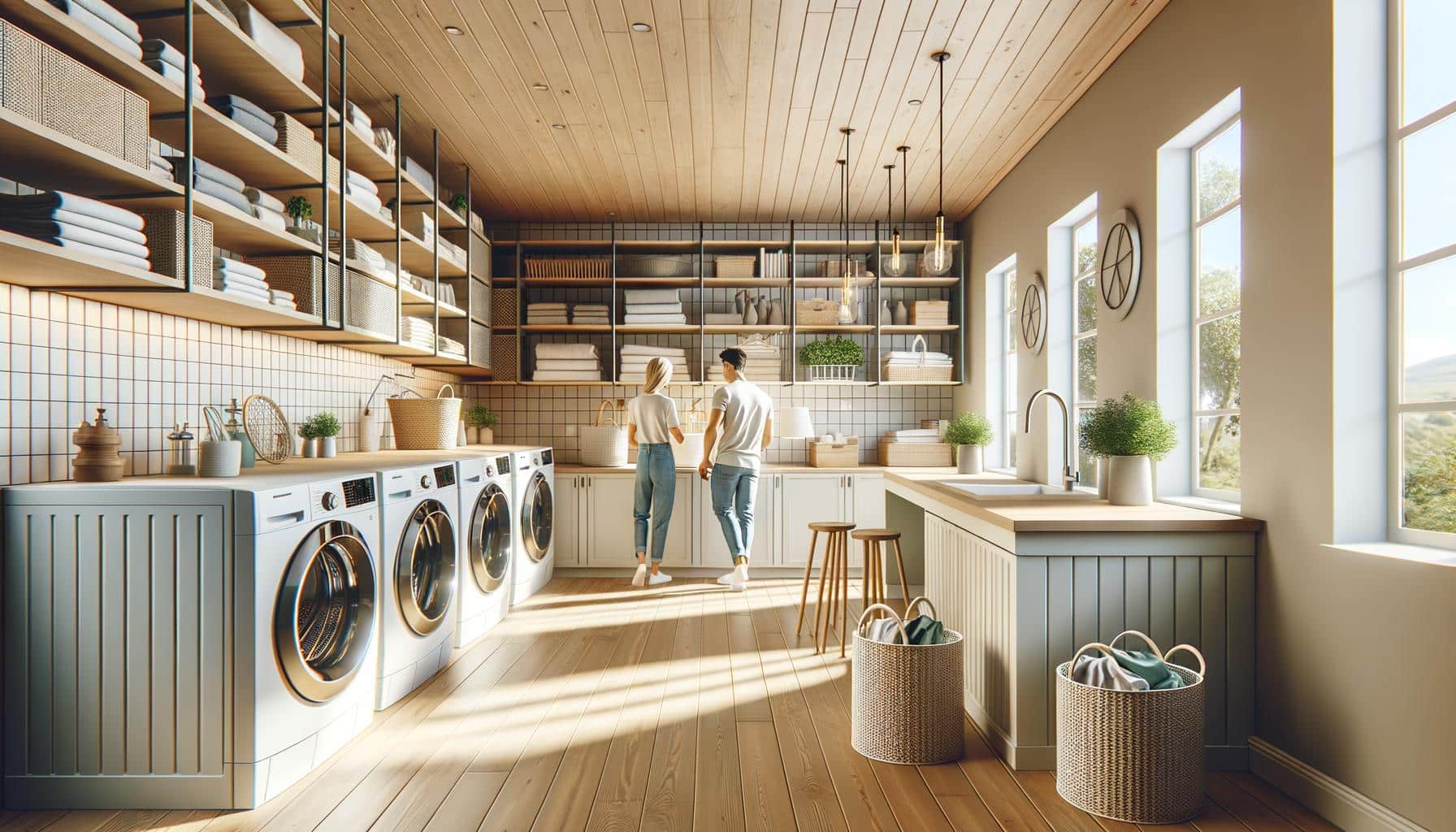
Skip side-by-side placement in rooms narrower than 6 feet. Stacked units free up 24 square inches of floor space while adding vertical storage opportunities above. Side-by-side works best in rooms wider than 7 feet, allowing counter space between units.
Consumer Reports testing shows front-loading washers perform better when stacked, with 15% fewer vibration issues than top-loaders. Position your dryer on the right side for optimal door swing access, matching natural workflow patterns.
Design Counter Space for Maximum Efficiency
Install benchtops 36 inches high for comfortable folding without back strain. Plan minimum 24 inches of counter depth to accommodate laundry baskets. The American Institute of Architects recommends 30 linear inches of folding space per household member.
Place benchtops adjacent to the dryer for immediate clothes transfer (reducing wrinkles by 40% according to Whirlpool research). Add pull-out surfaces under benchtops for extra workspace when needed, maximising functionality in tight quarters.
Plan Traffic Flow and Door Clearances
Map out how you move through the space during typical laundry tasks. Standard washer and dryer doors require 22-24 inches of clearance to open fully. Factor in basket placement and walking paths between appliances and storage areas.
Consider pocket doors or bifold doors if space is tight (saving up to 9 square feet compared to standard swing doors). Position frequently used supplies within arm’s reach of your primary work zones.
Smart storage solutions will transform your newly planned layout into an organised powerhouse that handles your household’s laundry demands efficiently.
What Storage Solutions Work Best in Small Laundry Rooms
Install Wall-Mounted Cabinets for Maximum Space
Wall-mounted cabinets above your appliances provide 40-60% more storage than floor units while they keep supplies accessible. Install cabinets that extend to the ceiling and add 18-24 inches of vertical storage space. Position frequently used items at accessible heights for optimal reach.
Choose cabinets with soft-close hinges to prevent slamming in tight quarters. Add interior organisers like lazy Susans for detergent bottles. Floating shelves work well for lighter items, but skip them for heavy jugs (they can’t support the weight safely).
Add Pull-Out Systems for Better Access
Install pull-out drawers in base cabinets rather than fixed shelves. This approach increases storage accessibility by 35% according to kitchen design studies. Deep drawers accommodate large detergent containers while shallow drawers organise smaller supplies like stain removers and fabric softeners.
Position sorting bins on pull-out tracks beneath benchtops for easy access to separated loads. Three-bin systems work best for most households and sort lights, darks, and delicates efficiently. Rolling carts with multiple tiers keep supplies mobile and can tuck into corners when not needed.

Maximise Vertical Storage with Smart Systems
Tension rods mounted between upper cabinets create instant hanging space for delicate items without permanent installation. Position rods 12-15 inches apart for optimal air circulation. Wall-mounted drying racks fold flat when not in use and save floor space while they provide 6-8 linear feet of drying capacity.
The Apartment Therapy survey shows retractable clotheslines handle up to 15 pounds of wet laundry while they take zero permanent space. Install accordion-style wall-mounted racks that extend 24 inches when needed but fold to just 4 inches when closed.
Create Dedicated Zones for Different Functions
Position hanging rods near windows for natural air drying and reduce energy costs. Add hooks at varying heights for different garment lengths and space them 4-6 inches apart to prevent crowding.
Under-benchtop hanging space works perfectly for shirts and blouses while floor-to-ceiling solutions handle longer items like dresses and coats. These organised zones set the foundation for design elements that will make your space both beautiful and practical.
What Design Choices Make Laundry Rooms Both Beautiful and Functional
Choose Flooring That Handles Water and Heavy Traffic
Ceramic or porcelain tiles stand as the top flooring choice for laundry rooms. These materials withstand moisture and heavy appliance loads without damage. They resist stains from detergent spills and bleach accidents while you clean them easily with standard mopping.
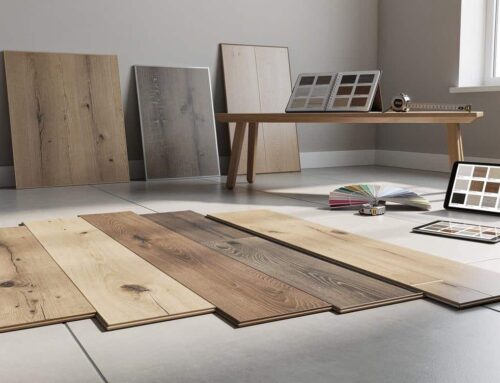
Luxury vinyl plank flooring offers a budget-friendly alternative at 30-50% less cost than ceramic tile. It maintains water resistance ratings comparable to ceramic options. Skip laminate flooring completely as moisture seepage causes permanent warping within 6-12 months (according to flooring manufacturer warranties).
Choose tiles with slip-resistant surfaces to prevent falls on wet floors. This becomes especially important around washing machine discharge areas where water accumulates.
Select Lighting and Colours for Maximum Efficiency
Paint walls in whites or light neutral colours to reflect available light. These colours make compact spaces appear 25% larger visually. Benjamin Moore Simply White and Sherwin Williams Pure White remain top choices for laundry rooms because they complement both warm and cool lighting temperatures.
Install LED recessed lights spaced 4-6 feet apart to eliminate shadows over work surfaces. This provides adequate illumination for detailed tasks like stain treatment. Add under-cabinet LED strips to benchtop areas for task lighting that reduces eye strain during folding.
Task lighting costs average $150-$300 to install but increases workspace functionality significantly. Bright white paint colours hide dust and lint better than darker shades while they create an atmosphere that makes chores feel less tedious.
Add Practical Decorative Elements That Build Character
Wall-mounted hooks in brushed nickel or matte black finishes provide both function and style. They support up to 15 pounds each for hanging items. Choose coordinating storage baskets in natural materials like wicker or canvas that hide clutter while they add texture to sterile spaces.
Peel-and-stick wallpaper behind open shelves creates visual interest without permanent commitment. Geometric patterns work best in small spaces. Add one large piece of framed artwork or a decorative sign rather than multiple small items that create visual clutter.
Plants like pothos or snake plants thrive in laundry room humidity while they improve air quality. Position them away from direct detergent contact to prevent leaf damage (these plants can handle the moisture but not chemical exposure). The key is balancing form and function to create spaces that serve practical needs while maintaining visual appeal.

Final Thoughts
Your laundry room makeover starts with strategic plans that maximise every square inch. Smart layout decisions like stacked appliances in narrow spaces and benchtops positioned adjacent to dryers create efficient workflows. Wall-mounted storage systems and pull-out drawers transform cluttered areas into organised zones that handle your household’s laundry demands.
The right design elements make functional spaces beautiful too. Water-resistant floors like ceramic tiles withstand daily wear while light paint colours reflect available light to make compact rooms feel larger. LED lights and practical decorative touches create spaces where chores feel less tedious.
These laundry renovation ideas deliver measurable benefits beyond aesthetics (organised spaces reduce sorting time by 30% while proper lights prevent costly mistakes like colour bleeding). Start your makeover project by measuring your space and documenting current pain points. We at Home Owners Association help Melbourne homeowners transform their spaces with expert guidance and resources. Your transformed laundry room will boost both daily efficiency and home value.