Flooring is one of the biggest decisions you’ll make for your home, and getting it wrong costs thousands in repairs or replacements. Australia’s heat, humidity, and intense sunlight demand flooring that actually performs in our climate, not just looks good.
We at Home Owners Association help homeowners choose flooring options that match both their lifestyle and budget. This guide walks you through the best materials for Australian homes and how to avoid expensive mistakes.
Flooring That Performs in Australian Heat and Humidity
Hardwood Flooring in Australian Climates
Australia’s climate zones demand flooring that handles extremes without warping, fading, or deteriorating. Hardwood flooring works well in temperate regions like New South Wales and Tasmania, where moisture swings are manageable, but it struggles in Queensland’s tropical humidity and Northern Territory’s wet seasons. If you live in high-humidity areas, hardwood requires professional sealing and regular maintenance to prevent cupping and swelling.

Australian hardwoods like Blackbutt cost $65 per square metre, while Jarrah costs $72 per square metre. These premium timbers offer longevity-a sanded and refinished floor can last 50 years or more-but the upfront investment is substantial.
Tile Flooring for Moisture Control
Tile flooring sidesteps humidity problems entirely. Ceramic tiles cost $50–$100 per square metre, porcelain runs $60–$150 per square metre, and both resist moisture and UV damage that degrades softer materials. Tiles work brilliantly in kitchens, bathrooms, and entryways where water exposure is constant. Installation adds $30–$50 per square metre, making tiles a reliable choice across every Australian climate zone.
The downside is acoustic performance and warmth underfoot-tiles amplify sound and feel cold in winter without proper underlay.
Laminate and Vinyl as Budget-Friendly Solutions
Laminate and vinyl planks offer practical middle ground for budget-conscious homeowners. Laminate costs $40–$100 per square metre, while luxury vinyl planks run $40–$90 per square metre, making both significantly cheaper than hardwood. Vinyl is waterproof and handles humidity better than laminate, which can swell if moisture penetrates seams.
For variable climates like Victoria, where temperature swings are unpredictable, vinyl planks warm up faster than tile or timber and resist UV fading in sun-exposed rooms. Laminate with AC4 or AC5 wear ratings suits moderate-traffic homes but performs poorly in moisture-prone areas.
Underlays and Installation Considerations
Adding 3mm underlay ($5–$15 per square metre for carpet-grade options, or premium acoustic rubber underlays) improves insulation and sound dampening, making these budget options feel more substantial. Substrate preparation can add significant costs if your subfloor requires repair or levelling before installation begins.
The best approach matches flooring to your specific room and climate zone rather than installing one material throughout. Vinyl in kitchens, laminate in living areas, and tile in wet zones delivers performance without overspending. Get quotes from multiple installers and factor in substrate preparation, which often determines whether your project stays on budget or exceeds expectations.
What Matters Most When Choosing Your Flooring
High-Traffic Households Demand Durable Flooring
High-traffic households need flooring that withstands punishment. If you have kids, pets, or work from home with constant foot traffic, laminate with AC5 rating or vinyl planks outperform softer options like carpet. Laminate costs $40–$100 per square metre and handles daily wear, but vinyl at $40–$90 per square metre offers better moisture resistance if spills are inevitable. Carpet in high-traffic areas deteriorates quickly and traps allergens-the Australian Carpet Classification Scheme shows that carpet in bedrooms or formal lounges performs better than in kitchens or hallways. Tiles in heavy-use zones last decades without degradation, though professional installation adds $30–$50 per square metre on top of material costs.

Budget Determines Your Material Strategy
Your budget determines whether you choose one material throughout or zone your home strategically. Hardwood costs $120–$250 per square metre installed, making it a significant investment that only makes sense if you plan to stay 10+ years and can afford refinishing ($30–$50 per square metre when needed). Vinyl and laminate let you spend less upfront while maintaining reasonable durability-a $60 per square metre vinyl kitchen floor costs far less than $200 per square metre hardwood, freeing budget for tile in bathrooms or cork at $120 per square metre in living areas where comfort matters. Long-term thinking reveals that durable materials save money despite higher initial cost; a hardwood floor sanded and refinished twice over 30 years costs less per year than replacing laminate three times. Substrate preparation often surprises homeowners-if your subfloor needs levelling or repair, costs climb $500–$2,000 depending on damage severity, so budget inspections before committing to material choices.
Aesthetic Choices Must Align With Your Lifestyle
Aesthetic decisions shouldn’t override performance in Australian climates. Herringbone or chevron patterns look premium but cost more to install and limit repair options if planks fail. Neutral tones in vinyl and laminate hide dust and pet hair better than light finishes, reducing maintenance stress in busy households. Timber’s warmth suits living spaces and bedrooms, while tiles in Mediterranean or contemporary styles work across design preferences. A white timber floor looks stunning in photos but requires constant cleaning in a home with dogs and children-matching flooring to your actual lifestyle matters more than following design trends.
Showroom Visits and Professional Quotes Prevent Costly Mistakes
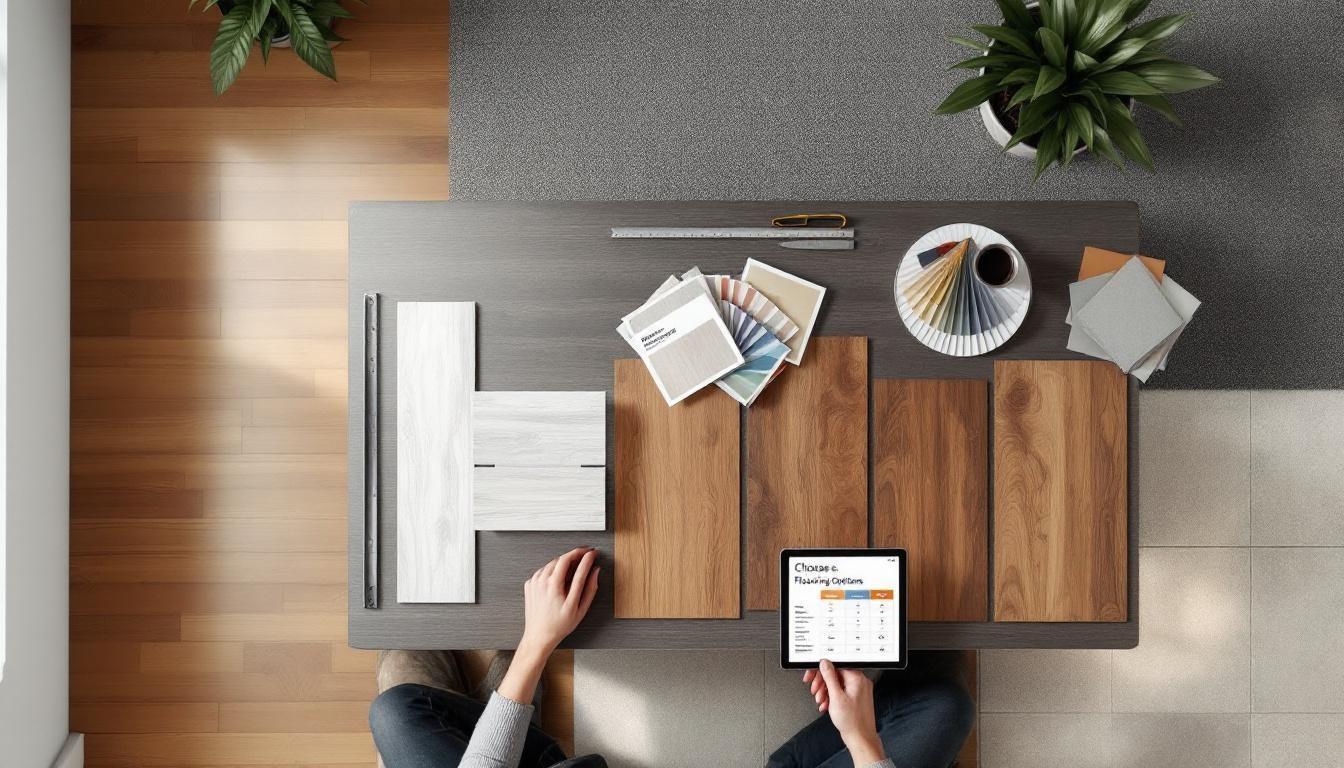
Visit showrooms to see samples under your home’s lighting before deciding, since colours shift dramatically between store displays and your rooms. Get multiple installer quotes and ask about drying times, warranties, and substrate conditions; this conversation often reveals hidden costs that separate realistic budgets from unpleasant surprises mid-project. Professional installers assess your subfloor condition and recommend underlays or preparation work that protects your investment and extends flooring lifespan.
The decisions you make now about traffic patterns, budget allocation, and aesthetic fit directly shape how well your flooring performs over the next decade-and which room-by-room strategy makes the most financial sense for your household.
How to Cut Flooring Costs Without Sacrificing Quality
Access Trade Pricing and Seasonal Sales
Flooring projects drain budgets fast, but strategic choices separate homeowners who overpay from those who spend smart. The real savings come from three concrete actions: accessing trade pricing on materials, timing your purchases around sales, and obtaining professional guidance that prevents expensive substrate surprises. Imperial Flooring Australia currently offers up to 25% off sitewide until 18 May 2026, with discounts already applied at checkout-no code needed. This opportunity saves $500–$2,000 on a typical kitchen or living area project. Trade pricing through membership reduces material costs by 15–20% compared to retail prices, which compounds significantly when you purchase 50+ square metres of flooring. Luxury vinyl planks normally priced at $60 per square metre drop to $48–$51 per square metre with trade access, while laminate at $70 per square metre falls to $56–$59 per square metre.

Over a 60-square-metre living area, that difference equals $840–$1,200 in material savings alone.
Test Samples Before You Commit
Free flooring samples from retailers let you test engineered timber, hybrid, laminate, and carpet options under your home’s actual lighting before you commit. This prevents the costly mistake of selecting a colour or finish that looks wrong once installed. Samples reveal how materials perform in your specific rooms, where natural light, artificial lighting, and surrounding décor all influence how finishes appear.
Assess Substrate Condition to Avoid Hidden Costs
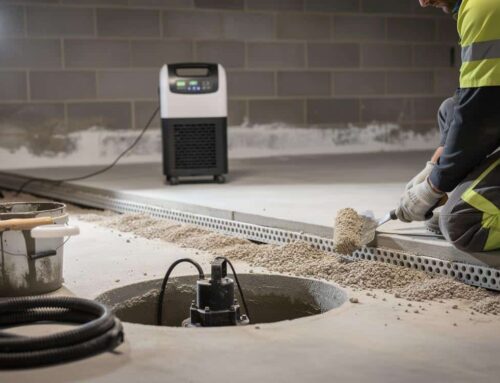
Installation costs amplify the impact of material choices, and professional guidance matters most here. Substrate preparation often surprises homeowners with unexpected expenses; floor removal costs $10–$30 per m², subfloor levelling runs $25–$70+ per m², moisture barriers add $5–$12 per m², and underlay ranges from $2–$15 per m². Professional installers assess your existing floor condition and recommend underlays like 3mm acoustic rubber at $10–$15 per square metre, which improves sound dampening and insulation. These additions cost less upfront than dealing with cold feet or noise complaints later.
Compare Material and Installation Costs Across Options
Hybrid flooring at 8–9mm thickness with proper underlay installation typically costs $80–$120 per square metre installed, compared to hardwood at $180–$250 per square metre installed. A 40-square-metre bedroom project using hybrid flooring with underlay and installation runs $3,200–$4,800, while hardwood in the same space costs $7,200–$10,000. Budget-friendly alternatives like DIY installation kits priced at $24.95 during sales (regular $39.95) work for hybrid, laminate, engineered timber, and bamboo flooring if your substrate is sound, cutting installation labour costs by 30–50% for confident homeowners.
Get Multiple Quotes to Avoid Inflated Labour Rates
Multiple installer quotes ensure you’re not paying inflated labour rates; installation typically costs $30–$50 per square metre, and comparing three quotes often reveals $500+ differences in total cost. The combination of mid-range materials, strategic material selection by room, and professional assessment of substrate condition keeps projects realistic and prevents the budget blowouts that plague rushed decisions.
Final Thoughts
Choosing flooring options for your Australian home comes down to matching materials to your climate zone, aligning performance with your household’s actual lifestyle, and making decisions that protect your budget over the long term. Hardwood delivers durability and warmth in temperate regions but demands maintenance in humid climates. Tile handles moisture and heavy traffic without flinching, though it sacrifices comfort underfoot. Laminate and vinyl offer affordability and practicality for families juggling kids, pets, and tight budgets.
Your lifestyle determines everything-high-traffic homes need durable materials like AC5-rated laminate or vinyl planks that resist scratches and spills, while quiet bedrooms suit softer options like carpet or cork. Kitchens and bathrooms demand moisture resistance, making tile or vinyl non-negotiable. Substrate condition matters equally; a $500 inspection that reveals levelling needs prevents $2,000 in hidden costs mid-project. Multiple installer quotes separate realistic budgets from inflated labour rates, and free samples under your home’s lighting prevent costly colour mistakes.
We at Home Owners Association support Australian homeowners through every flooring decision with trade pricing that cuts material costs by 15–20%, expert guidance that prevents substrate surprises, and resources that keep projects on track. Join the Home Owners Association to access exclusive discounts on flooring materials, professional advice tailored to your home’s needs, and the confidence that comes from informed decisions.