Water damage in bathrooms costs Australian homeowners thousands of dollars every year, and most of it is preventable. Waterproofing bathroom membranes are your first line of defence against leaks that destroy walls, floors, and foundations.
At Home Owners Association, we’ve seen too many homes suffer from water damage that could have been stopped with proper waterproofing. This guide shows you exactly how to protect your bathroom and avoid costly repairs down the track.
Why Bathroom Waterproofing Actually Matters
Water damage repair costs Australian homeowners between $2,500 and $25,000 per incident, according to insurance data, and bathroom leaks account for roughly 35% of all residential water damage claims. Most homeowners don’t notice leaks until structural damage becomes severe.

A small leak behind your shower wall sits undetected for months, rotting timber framing and creating conditions for serious mould contamination. The financial reality is stark: waterproofing costs a fraction of what water damage remediation demands. A $500 waterproofing membrane installed correctly from the start prevents five-figure repair bills that many homeowners face later.
Where Bathrooms Fail Most Often
Shower recesses fail more than any other bathroom area because water constantly hits the walls and floor under pressure. The grout lines around tiles crack over time, allowing water to penetrate behind the tile surface where membranes should have been installed. Wet areas around vanities and toilet bases also develop problems when moisture gets trapped under flooring materials. Water travels through wall cavities, under concrete slabs, and into foundation spaces where it causes mould growth and structural deterioration. Proper installation of waterproofing membranes stops 95% of bathroom water damage before it starts because they target exactly where bathrooms fail hardest.
The Mould Connection That Costs Extra
Mould appears within 24 to 48 hours of water exposure in bathrooms, and removing it costs $2,000 to $6,000 on average depending on the extent of contamination. Once mould establishes itself in wall cavities or under flooring, the problem multiplies because you pay not just for mould removal but for replacing damaged materials and addressing any health concerns. Leaking bathrooms create the perfect environment for mould because moisture persists in dark, enclosed spaces where air doesn’t circulate. Fixing a mould problem means tearing out affected walls, flooring, and framing-a much more invasive and expensive process than preventing the leak in the first place. Waterproofing membranes eliminate the moisture source entirely, which means no mould growth, no health risks, and no secondary repairs that compound your costs.
Choosing the Right Protection Strategy
The type of waterproofing membrane you select determines how well your bathroom resists water damage over time. Different membranes (liquid-applied, sheet-based, or pre-formed options) offer varying levels of protection depending on your bathroom layout and existing conditions. Installation quality matters just as much as the product itself because even premium membranes fail if installers miss critical areas or apply them incorrectly. Understanding what separates quality products from inferior ones helps you make decisions that protect your home for decades rather than years. The next section walks through the specific membrane types available in Australia and what features actually make a difference in real-world performance.
Choosing and Installing the Right Waterproofing Membrane
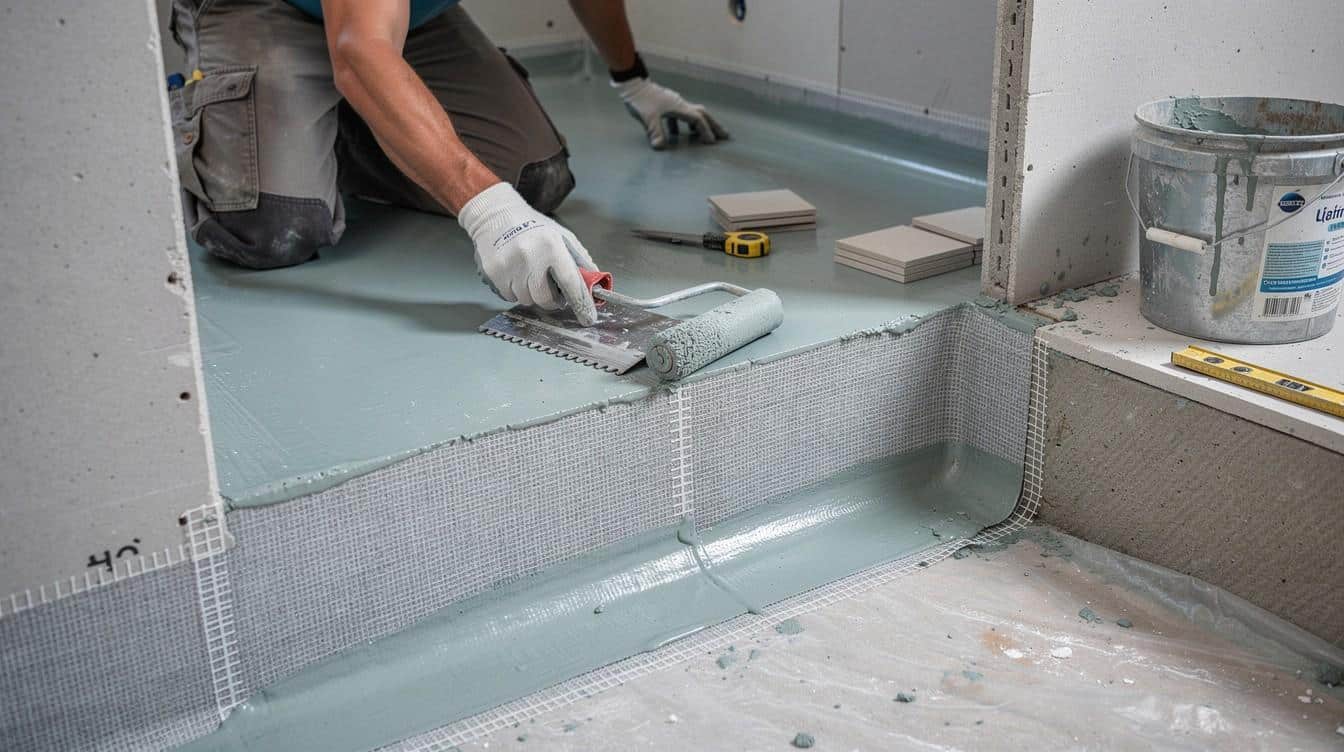
Liquid-applied membranes dominate Australian bathroom installations because they adapt to any surface shape and seal around pipes, corners, and transitions without joints. These products cure to form a continuous waterproof layer that moves with building materials as they expand and contract, preventing cracks that sheet membranes sometimes develop. Sheet membranes work well in large, flat areas like shower floors but require skilled installation to avoid wrinkles and gaps that water exploits. Pre-formed membranes suit specific applications like shower bases but limit flexibility for custom layouts. Most Australian builders prefer liquid-applied options for wet areas because they cost between $30 and $60 per square metre installed, perform reliably across climate variations from tropical humidity to dry heat, and require fewer special tools than alternatives. Liquid-applied products don’t all perform equally-some cure faster in humid conditions while others offer superior flexibility in freeze-thaw cycles, so product selection within this category still matters significantly.
What Separates Quality Membranes from Budget Options
Quality membranes meet Australian Building Codes waterproofing standards, which specify minimum thickness of 1.5mm and elongation capacity of at least 100 per cent to handle structural movement. Budget membranes often fall short on elongation, meaning they crack when walls shift slightly, defeating their purpose within five years. Premium products from established manufacturers include warranties ranging from 10 to 25 years, while cheap alternatives offer one or two years at best. Thickness matters because thinner membranes cost less upfront but fail faster-a $200 saving on materials becomes a $5,000 problem when water penetrates and damages framing.
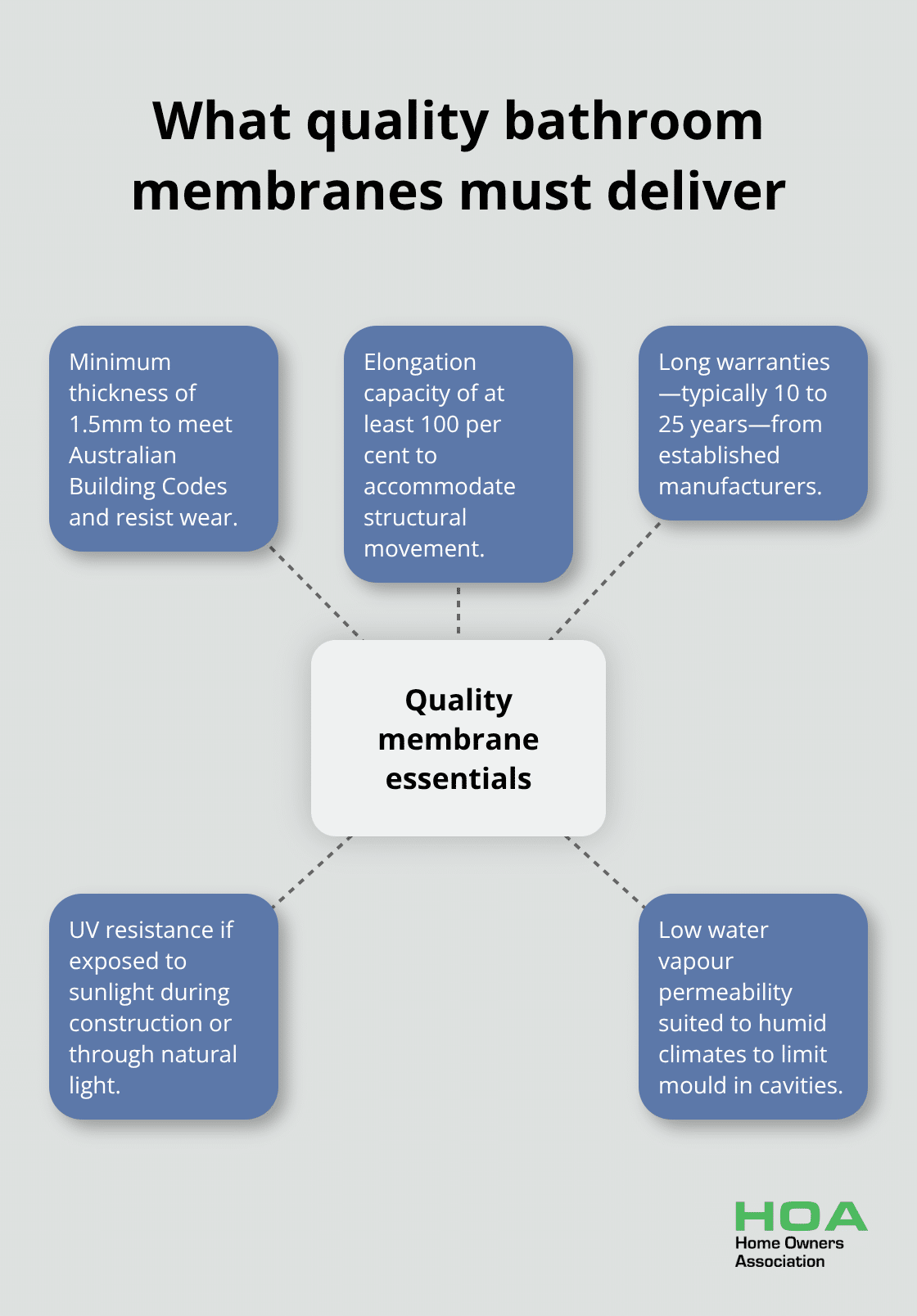
Check product data sheets for UV resistance ratings if bathrooms receive natural light, as some membranes degrade when exposed to sunlight during construction delays. Water vapour permeability also affects performance in humid climates; water vapour permeability membranes rated at high-density tufting help prevent mould growth in wall cavities where moisture accumulates.
Installation Mistakes That Destroy Waterproofing Systems
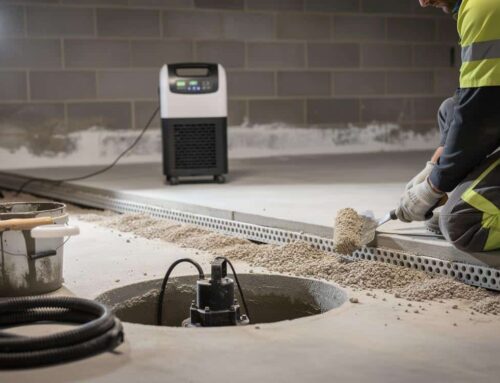
Installers frequently apply membranes over dusty or wet surfaces, which breaks adhesion and creates voids where water collects behind the membrane layer. Proper surface preparation takes time-dust removal with vacuum and damp cloth, moisture control with dehumidifiers in humid conditions, and temperature monitoring between 10°-35°C during application. Incomplete coverage around penetrations kills otherwise perfect installations because pipes, drains, and fixtures create pathways for water if membranes don’t extend 150mm around them. Many installers rush this step because it’s tedious and doesn’t look impressive, but it’s where most bathroom failures originate. Insufficient curing time before tile installation traps solvents in the membrane, weakening it permanently. Manufacturers specify 24 to 48 hours for full cure depending on humidity and temperature, yet installers often begin tiling after 12 hours to meet project schedules. Using wrong primer or adhesive over membranes creates chemical incompatibility that degrades the waterproof layer. Not all tile adhesives bond properly to all membranes, so compatibility must be confirmed before installation begins.
Hiring the Right Installer Matters More Than You Think
Hire installers with documented experience in bathroom waterproofing rather than general plasterers adapting to this specialised work, because the cost difference is minimal compared to repair expenses when failures occur. Experienced waterproofing specialists understand how different membranes respond to Australian climate conditions and know which products perform best in tropical, temperate, or arid regions. Ask potential installers for references from completed bathroom projects and try to inspect their work firsthand if possible. Poor installation decisions made today create expensive problems that surface months or years later when water damage becomes visible. The next section covers how to maintain your waterproofing system after installation and recognise when membranes need replacement.
Long-Term Maintenance and Protection
Inspect Your Membrane Every Six Months
Your waterproofing membrane requires regular attention after installation, and neglecting it guarantees early failure. We recommend conducting visual inspections every six months, particularly after heavy rainfall or seasonal changes when water stress on bathrooms intensifies. Press gently with a screwdriver on grout lines to test for soft spots-if the grout crumbles or feels spongy, water has penetrated behind it and reached the membrane underneath. Check tile surfaces for lippage (uneven grout joints) because water pools in these low spots and eventually seeps through.
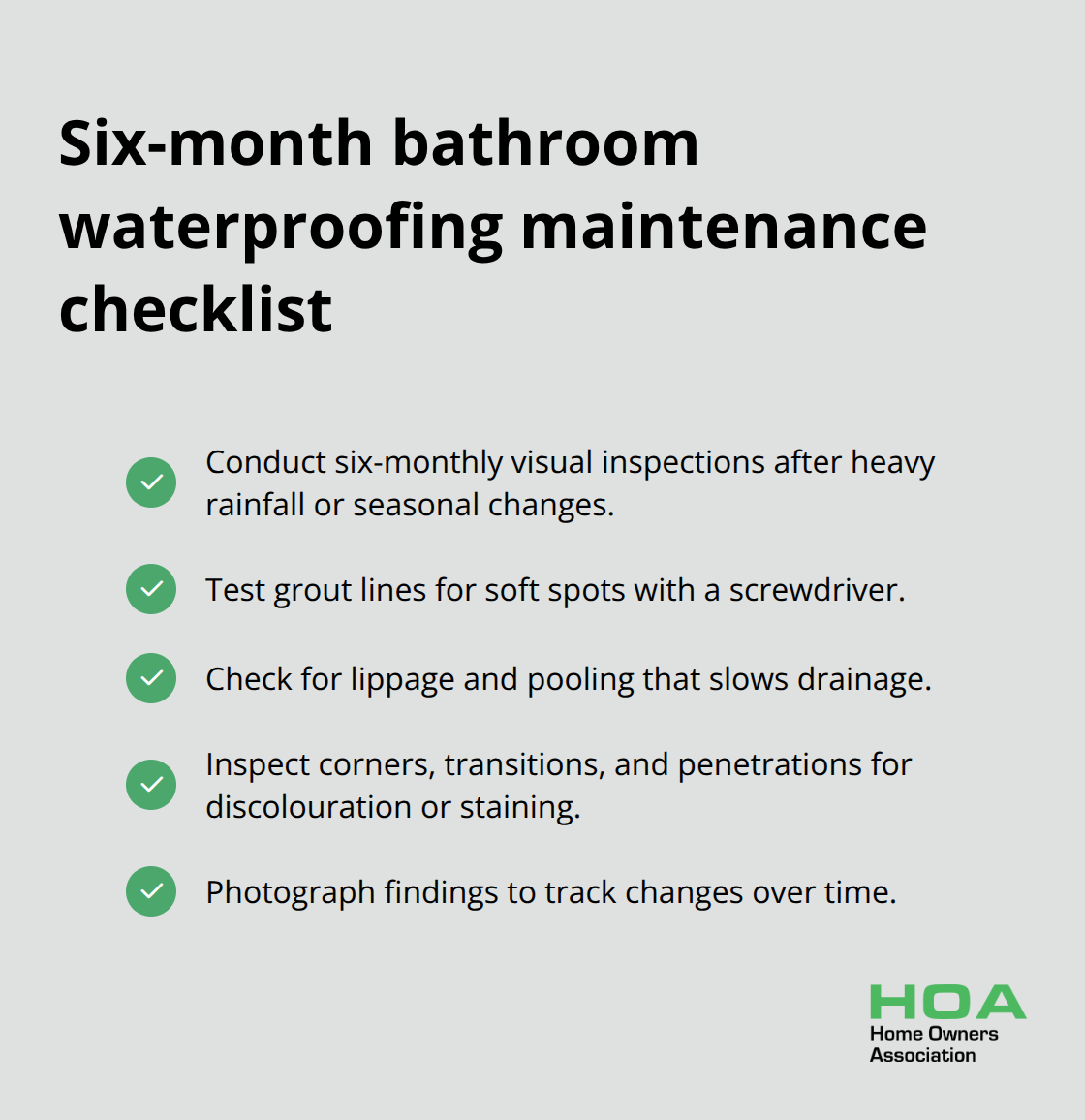
Examine corners and transitions around pipes where membranes are most vulnerable; any discolouration, mould spots, or water staining indicates membrane failure is already underway.
Test Water Flow and Identify Problem Areas
Run water through your shower and watch for pooling on the floor-proper slope should direct all water toward the drain within seconds, not minutes. If water sits or spreads slowly, the membrane may have failed or settled unevenly during installation. Take photos during inspections so you can track changes over time and catch problems early before they become structural issues. This simple documentation habit helps you spot trends that might otherwise go unnoticed until damage becomes severe.
Recognise When Replacement Becomes Necessary
Membrane replacement becomes necessary when cracks appear in the waterproof layer, typically after 10 to 15 years in Australian bathrooms, though poor maintenance accelerates failure to five years or less. Visible mould growth in wall cavities behind tile indicates the membrane has already failed and water is actively damaging framing. Soft or bouncy flooring near the shower suggests the substrate beneath the membrane has rotted from prolonged moisture exposure. Use a moisture metre to test substrate moisture levels-readings above 20 per cent indicate active water penetration through a failed membrane. Products like Protimeter moisture metres cost around $150 and provide definitive evidence of membrane failure without guessing.
Maintain Your System Between Professional Inspections
Stock basic supplies for minor maintenance between professional inspections: silicone sealant for small gaps around fixtures, waterproof caulk rated for bathroom use, and grout sealer applied annually to protect against water penetration through grout lines. These preventative measures cost under $50 annually but extend membrane life significantly by reducing moisture exposure at vulnerable points. When replacement is needed, hire the same quality installers you used for the original installation because they understand your bathroom’s specific conditions and can identify why the first membrane failed. This continuity of expertise prevents repeat failures and protects your investment over decades.
Final Thoughts
Waterproofing bathroom membranes stand between your home and thousands of dollars in preventable water damage. A $500 to $2,000 investment in proper membrane installation protects you from repair bills that reach $25,000 or more when leaks go unaddressed. Quality membranes paired with professional installation deliver protection across decades, not just years, while poor installations fail within five years and cost you far more in structural repairs.
Regular maintenance through six-monthly inspections and basic silicone sealant applications costs under $50 annually yet extends membrane life significantly by catching problems before they become catastrophic. We at Home Owners Association understand that homeowners need practical support to make these decisions confidently, which is why we help members access trade pricing on quality waterproofing materials and connect with installers who understand Australian climate challenges. Whether you’re planning a bathroom renovation or addressing existing water damage concerns, Home Owners Association provides the resources and savings that make proper waterproofing affordable and achievable.