Post war homes built between 1945 and 1970 represent a significant portion of housing stock across North America. These properties have distinct architectural features and construction methods that require specialised knowledge when planning renovation work.
At Home Owners Association, we’ve created this guide to help you navigate renovation ideas for post war homes with confidence. Whether you’re updating systems or preserving original character, the strategies ahead will help you make informed decisions for your property.
What Makes Post War Homes Structurally Different
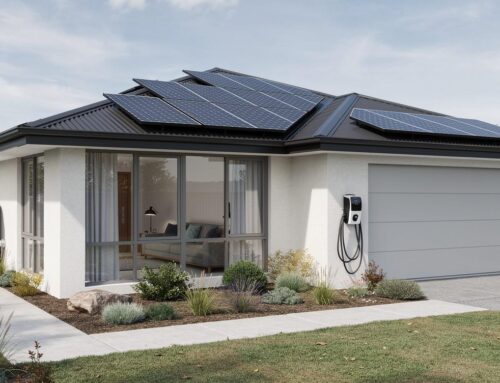
Post war homes built between 1945 and 1970 share distinct construction methods that differ significantly from both earlier Victorian-era homes and modern builds. These properties typically feature brick veneer or weatherboard cladding over timber framing, a cost-cutting approach that became standard during material shortages of the post-war period. The solid timber frames underneath are actually one of the strongest elements of these homes, which means they’re far more salvageable than many homeowners assume. Single-storey layouts dominate this era, with interconnected living rooms and modest floor plans designed for practicality rather than flexibility. Most post war homes sit on concrete slab foundations or stumped systems, and understanding which type yours has matters when planning renovations that involve plumbing or electrical work. The roofing typically consists of clay or concrete tiles on low-pitched frames, a design that handles Australian weather well but can develop leaks around flashing and valleys if not maintained properly.
Materials That Define the Era
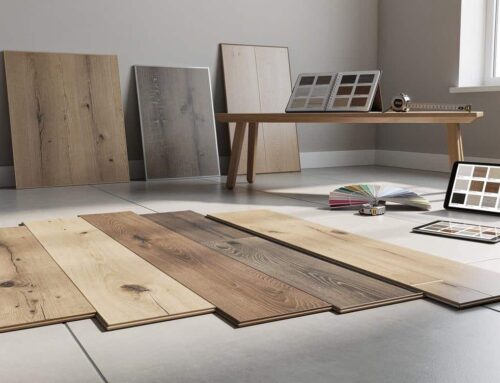
Post war builders prioritised speed and cost over longevity, so you’ll find melamine benchtops in kitchens, single-pane windows throughout, and often asbestos in eaves, wall cladding, and ceilings. Asbestos presents the critical issue here-before touching any renovation work, hire a licensed asbestos assessor to identify its presence. Flooring typically consists of timber with cheaper coverings like lino or vinyl, and plumbing and electrical systems are often undersized for modern demands. The brick veneer construction means moisture can sit behind the cladding if drainage fails, leading to timber rot that costs significant money to repair. Original design elements worth preserving include hardwood timber floors underneath those vinyl coverings, high ceilings that create spacious-feeling rooms, and period mouldings or cornices that add character without costing much to retain. Large windows and glass doors were common during this era, reflecting early modernist influences, so opening up spaces to maximise natural light aligns with the home’s original intent.
Hidden Problems to Expect
The shortcuts taken during construction mean you’ll almost certainly encounter outdated plumbing and electrical systems that can’t handle contemporary loads. Foundation issues are common in homes from this period, particularly subsidence or cracking caused by soil movement or tree root damage. Many post war homes lack adequate insulation, making them expensive to heat and cool-upgrading this is one of the highest-impact improvements you can make.

Termite damage is another frequent discovery in timber-framed sections, so a thorough building inspection by a licensed professional is non-negotiable before committing to renovation plans. Allocate at least 20 per cent of your total budget as a contingency for unexpected problems revealed during inspection.
Why These Homes Still Offer Real Potential
Post war homes offer solid bones and large blocks compared to modern subdivisions, giving you genuine options for extensions, outdoor living spaces, and reconfiguration that simply aren’t possible with newer properties built on smaller allotments. The structural integrity of the timber frames means that major changes-whether you’re removing non-load-bearing walls or adding a rear extension-work with the home’s existing strengths rather than against them. Understanding these structural differences now positions you to make smart decisions about which systems need replacement and which original features deserve preservation. The next section covers how to assess your specific home’s condition and identify which areas should take priority in your renovation plan.
Planning Your Post War Home Renovation
Start with a Professional Building Inspection
A thorough building inspection forms the foundation for everything that follows. Hire a licensed building inspector who has experience with post war homes specifically-they identify structural issues, foundation problems, and system failures that determine your actual costs. Expect to pay between $400 and $800 for a comprehensive inspection, and this investment saves you thousands by revealing hidden problems before you commit to a timeline. Your inspector’s report should clearly flag which issues are urgent (structural damage, plumbing failures, electrical hazards) versus those that can wait (cosmetic updates, minor efficiency gains).

Prioritise Work Based on Safety and Functionality
Safety and functionality must come first in your renovation sequence. Structural repairs, roof leaks, electrical and plumbing upgrades, and asbestos removal happen before aesthetic improvements. Many homeowners focus on kitchen and bathroom updates when their home’s bones are compromised-this creates false economy because subsequent settling or water damage can ruin your new finishes. Your inspector’s report guides this prioritisation by identifying which systems pose immediate risk.
Set Your Budget with Realistic Contingency
Set your budget with brutal honesty about what needs fixing. The industry standard allocates at least 20 per cent contingency for post war homes, but 25 per cent is more realistic given how frequently hidden damage emerges once work begins. If your inspection uncovers termite damage, foundation cracks, or widespread asbestos, your contingency may be spent immediately. For a $150,000 renovation, this means keeping $37,500 to $40,000 in reserve. Test for asbestos before purchasing any removal services, as pricing depends on the extent and location of contamination.
Understand Timeline Expectations
Post war home renovations typically take 16 to 24 weeks for moderate projects and 6 to 9 months for comprehensive overhauls involving structural work and system upgrades. Delays happen consistently because asbestos removal adds 4 to 6 weeks, structural repairs require engineer reports and approvals, and specialist tradespeople book months ahead. Source your materials early-period-appropriate fixtures for kitchens and bathrooms, timber for flooring, and hardware for windows take time to procure, especially if you’re matching original details. Reclaimed timber flooring, heritage-style windows, and authentic period fixtures aren’t stocked by major retailers, so contact specialist suppliers at least 8 weeks before installation.
Select Contractors with Proven Post War Experience
Work with contractors who hold Queensland Building and Construction Commission licences for post war work-this protects you legally and ensures they understand the specific challenges these homes present. Verify their experience by asking for references from at least three post war renovations completed in the past two years. For energy efficiency upgrades like insulation and double-glazed windows, compare quotes from at least three suppliers because pricing varies significantly. Your timeline and budget are interconnected: rushing leads to poor decisions and cost overruns, while unrealistic timelines create contractor conflicts and quality issues. With your inspection complete, budget set, and contractors selected, you’re ready to explore the specific renovation strategies that work best for post war homes.
Renovation Strategies for Post War Homes
Upgrade Systems While Preserving Character
Post war homes demand a different renovation philosophy than modern properties. You work with bones that have survived 50+ years and deserve respect for what they’ve already proven they can do. The key is targeting systems that genuinely need replacement while preserving the elements that give these homes their appeal.
Kitchens and bathrooms represent your highest-impact upgrades, but most renovators make mistakes here: they rip everything out and install generic contemporary fixtures that clash with the home’s proportions. Instead, select fixtures and finishes that complement the era’s design language. Subway tiles, stainless steel, and matte black hardware work with post war aesthetics far better than overly trendy materials that date quickly. For kitchen benchtops, move away from melamine to durable options like concrete, timber, or quality laminate that reference the period without copying it exactly.
Energy efficiency upgrades deserve priority because they deliver measurable returns. Double-glazed windows can reduce heat loss by up to 30%, and this improvement works whether you preserve original window frames with secondary glazing or replace them entirely. Insulation upgrades to walls and ceilings typically cost between $3,000 and $8,000 depending on your home’s size, but they cut energy bills by 25 to 30 per cent annually.

These investments pay for themselves within 5 to 8 years while making the home genuinely more comfortable.
Modernise Electrical and Plumbing Systems
Electrical and plumbing systems need complete modernisation because post war homes were built for significantly lower loads than contemporary households demand. A modern family running multiple appliances simultaneously will overload original wiring designed for a single refrigerator and stove. Budget $8,000 to $15,000 for comprehensive electrical upgrades and $10,000 to $20,000 for plumbing work, depending on your home’s size and the extent of rework needed.
These costs hurt initially, but undersizing these systems creates safety hazards and limits your ability to add future features like heat pumps or EV charging stations. Modern electrical work improves safety standards that protect your family and future resale value.
Navigate Heritage Overlays and Local Regulations
Heritage overlays and local regulations vary significantly across Australian councils, so contact your local authority before finalising your renovation plans. Some councils restrict changes to exterior appearance even when heritage listing doesn’t apply, while others focus only on listed properties. The Queensland Heritage Register documents protected properties, and checking this database takes 10 minutes but prevents costly work stoppages if you discover restrictions mid-project.
Most post war homes fall outside formal heritage protections, which gives you genuine freedom, but permits still apply for structural changes, extensions, and sometimes interior modifications depending on your location. Building permits cost between $500 and $2,000 and take 4 to 8 weeks to process, so factor this into your timeline rather than viewing it as an obstacle.
Select Contractors with Proven Expertise
Contractors experienced with post war homes understand which walls carry structural load and which can be removed safely. This expertise matters enormously because removing a load-bearing wall without proper reinforcement causes catastrophic foundation and roof damage. Verify that your contractor holds current QBCC licensing and can provide engineer reports for any structural modifications.
When comparing contractor quotes, the cheapest option almost always reflects inexperience with older homes. A contractor who quotes significantly below market rates either doesn’t understand the hidden complexities these homes present or plans to cut corners on quality. Request detailed quotes that itemise labour, materials, and timeline separately-vague quotes hide problems that emerge mid-project.
Ask potential contractors specifically how they manage asbestos discovery, how they approach preserving original features, and what their contingency process looks like when unexpected damage emerges. Their answers reveal whether they’ve actually worked on post war homes or whether they apply generic renovation approaches to a property type that demands specialised knowledge.
Final Thoughts
Renovating a post war home succeeds when you balance preservation with modernisation. The strategies throughout this guide-starting with a professional inspection, prioritising safety and functionality, setting realistic budgets with contingency, and selecting contractors experienced with older homes-form the foundation for a successful project. These homes have survived 50+ years because their timber frames and solid construction methods prove durable when treated with respect. Your renovation ideas for post war homes should reflect this reality: work with the home’s existing strengths rather than against them.
Energy efficiency upgrades reduce your annual utility costs by 25 to 30 per cent, delivering measurable savings that compound over years. Modernised electrical and plumbing systems eliminate safety hazards while enabling future upgrades like heat pumps or EV charging infrastructure. Preserved original features-hardwood floors, high ceilings, period mouldings-maintain the character that makes these homes appealing to buyers, protecting your property value in a competitive market.
Schedule that professional building inspection first, as this single step determines everything that follows: your actual budget, realistic timeline, and which contractors you need. Contact your local council to understand any heritage overlays or permit requirements specific to your property, then connect with Home Owners Association to access trade pricing on materials and fixtures, expert guidance throughout your project, and the confidence that comes from working with experienced professionals who understand your housing market.