Most homeowners skip the planning stage and jump straight into renovation work. This costs them thousands in rework, delays, and unexpected problems.
Design drafting for renovations stops these issues before they start. We at Home Owners Association have seen how proper drafts prevent mistakes, clarify your vision, and keep contractors aligned with your goals.
Why Design Drafting Stops Budget Disasters
Rework on a renovation site typically accounts for 12% of total project costs according to construction industry data. When contractors start building without clear, detailed drafts, they hit problems that weren’t visible in rough sketches.

A wall that looked fine in a quick drawing conflicts with existing plumbing. An electrical layout fails to account for structural beams. These discoveries mid-construction force expensive changes, material waste, and timeline delays. Design drafting catches these conflicts before anyone picks up a hammer. Detailed floor plans with precise measurements, material specifications, and dimension annotations give contractors exactly what they need to bid accurately and build right the first time. This clarity eliminates the guesswork that inflates costs.
What Your Contractors Actually Need to See
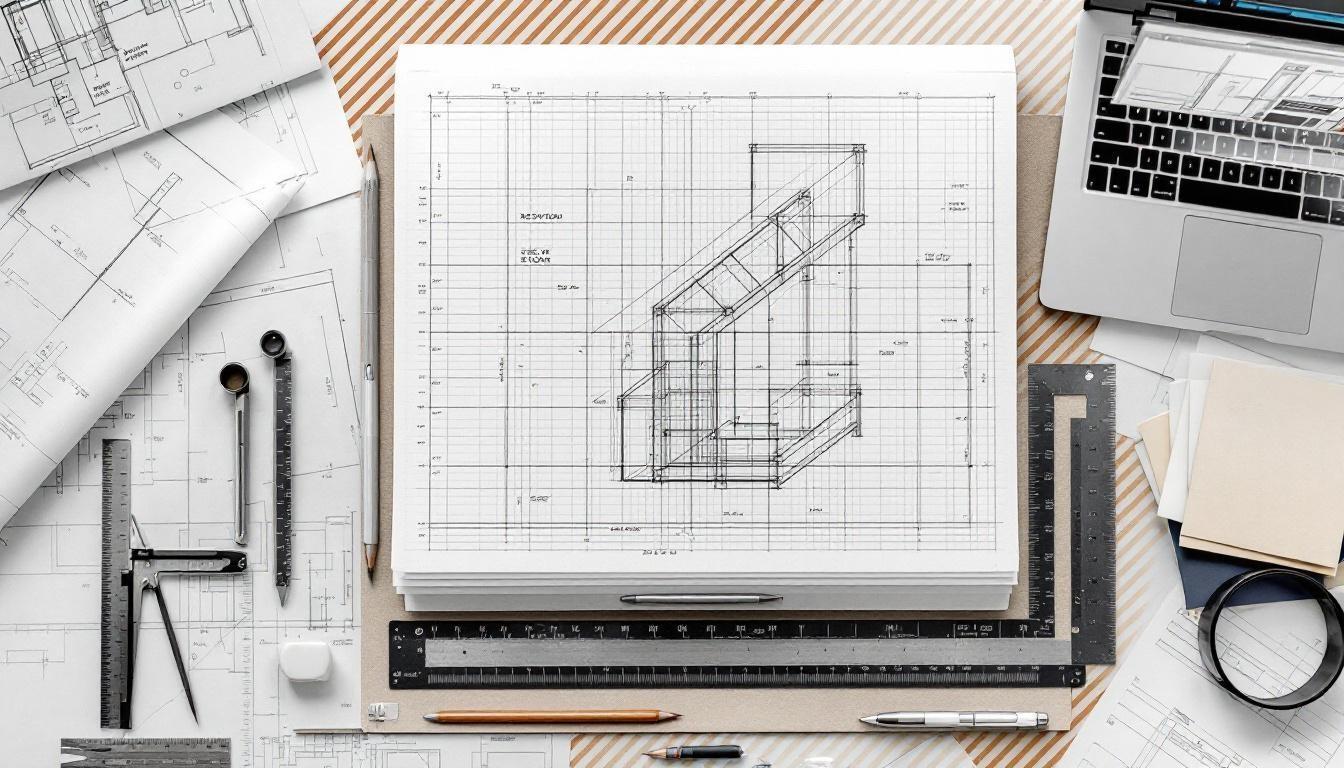
Contractors reject vague sketches and verbal descriptions. They need construction drawings that show dimensions, material grades, connection details, and sequencing. A floor plan alone falls short-you need sections that reveal how old and new elements connect, elevations that show what surfaces look like, and detailed notes on materials and finishes. When these documents are thorough, contractors identify potential issues during the estimate phase rather than discovering them on site. This means more accurate quotes, fewer surprises, and smoother construction. Layering different systems (HVAC, electrical, and plumbing) keeps drawings separate and organised, reducing coordination errors that typically add weeks to timelines.

Visualisation Prevents Design Regret
Many homeowners approve designs based on 2D floor plans alone, then regret their choices once construction begins. 3D renderings give homeowners the flexibility to experiment with different design options and make changes before construction begins. A kitchen layout that looks spacious on paper might feel cramped when you see how cabinet depths interact with walking paths. Sections reveal ceiling heights, sightlines, and how natural light falls through windows. This visualisation step catches design flaws early, when changes cost nothing, rather than after framing is complete. Projects with detailed visual documentation experience fewer change orders and higher homeowner satisfaction because expectations align with reality from the start.
How Detailed Documentation Reduces Site Conflicts
Construction drawings that include explicit notes on material grades, reinforcement details, and assembly sequences eliminate ambiguity on site. Contractors no longer need to interpret intent or make assumptions about how elements connect. Clear dimensions and material specifications prevent the costly back-and-forth that slows progress. When structural elements, glazing systems, and envelope details coordinate through precise drawings, trades work in harmony rather than discovering conflicts mid-project. This coordination transforms how quickly teams move through each phase and how accurately the final result matches your vision.
Building Your Renovation Blueprint
Measurement accuracy determines whether your renovation stays on budget or spirals into costly rework. Start by physically measuring every dimension of your space with a laser measuring tape, not a standard tape measure. Laser tools eliminate the human error that comes from holding a tape straight, and high-quality laser measures can offer accuracy within ±1/16 inch over distances up to 100 feet or more. Record wall lengths, ceiling heights, window and door locations, and the positions of existing fixtures like radiators, electrical outlets, and structural columns. Many homeowners miss ceiling heights entirely, then discover mid-renovation that their chosen cabinetry or lighting won’t fit. Take photos from multiple angles as you measure, then cross-reference your written notes against the photos. This redundancy catches mistakes before you move to drafting.
If your home is older, measure multiple points along walls-older houses often have walls that aren’t perfectly straight or level. A wall that measures 4 metres at one end might be 4.05 metres at the other. These small variations matter enormously when contractors order materials and begin installation.
Choose Software That Matches Your Project Scope
Once measurements are locked in, select software that matches your project’s complexity. SmartDraw works well for straightforward kitchen and bathroom renovations because it includes drag-and-drop elements with precise dimension input by typing directly into wall labels. For larger or more complex projects, Revit gives you BIM-based coordination where layers separate HVAC, electrical, and plumbing systems so edits stay isolated and errors reduce. Both tools let you draw to standard architectural scales and switch scales whenever you need different levels of detail.
Many homeowners wrongly assume that free sketching apps or generic design software will suffice. They won’t. Contractors won’t trust vague digital sketches any more than they trust hand drawings. Your software must produce dimension-ready plans that contractors can extract exact measurements from without guessing.
Material Specifications Stop Contractor Questions
Material specifications and construction notes eliminate the ambiguity that creates delays and cost overruns on site. Include material grades for structural elements, paint finishes, tile specifications, and flooring materials. Note whether walls are load-bearing or non-load-bearing because this changes how contractors approach demolition and framing. Specify connection details where new elements meet existing structures-how does new framing tie into existing walls, and what fastening method will hold it?
Add explicit notes on finishes and sequencing. If you install heated floors, note the substrate, heating system type, and how it coordinates with adjacent flooring heights. Contractors should never need to phone you mid-project asking what you meant. Detailed annotations also support accurate budgeting. When a contractor sees material specifications in your drawings, they know exactly what to quote and can’t claim later that they misunderstood your intent.
Documentation That Contractors Actually Use
Export your plans as PDFs or high-resolution images that contractors can print to scale and use on site. Include a manifest that annotates elements with model numbers, costs, and descriptions-this transforms your drawings into a procurement checklist that reduces material waste and ensures you get exactly what you specified. Contractors who work from clear, detailed documentation move faster through each phase because they spend less time interpreting intent and more time building.
These detailed drawings now form the foundation for the next critical step: identifying potential conflicts before construction begins.
Common Mistakes to Avoid When Design Drafting
Building Codes Determine Whether Your Permit Gets Approved
Skipping code compliance in your design drafts creates two problems: rejected permit applications and costly mid-construction fixes. Building codes vary significantly by location and renovation type. A kitchen renovation in Sydney follows different electrical and plumbing codes than one in Melbourne, and codes change every few years. If your design drafts ignore local requirements, contractors will either refuse the work or proceed knowing the design violates code, which exposes you to liability and failed inspections.
Contact your local building authority before finalising designs and request a code checklist specific to your project type and location. Many councils provide free guides outlining setback requirements, ceiling height minimums, ventilation standards, and structural load capacities. Include this checklist in your design notes so contractors see that you’ve already thought through compliance. This prevents the expensive scenario where framing is complete and an inspector flags violations that require removal and reinstallation.
Hidden Infrastructure Costs More Than You Expect
Existing infrastructure hidden inside walls creates the most expensive drafting mistakes. Many homeowners measure their space and create beautiful layouts without understanding what runs through the walls and floors. Asbestos in older insulation, outdated electrical wiring that cannot handle modern loads, plumbing that sits exactly where you want to install a new beam-these discoveries mid-renovation force expensive detours.

Hire a building inspector or structural engineer to assess existing conditions before you finalise any design. They’ll identify load-bearing walls, locate hidden services, and flag structural limitations that constrain your design options. This inspection typically costs between 500 and 1,500 dollars but prevents tens of thousands in unexpected costs. Once you have this assessment, annotate your design drafts with existing infrastructure locations and structural capacity limits. Contractors then work within known constraints rather than discovering them as they demolish.
Accurate Estimates Require Complete Information
Budget estimation falls apart when drafts ignore existing conditions. A contractor quoting a kitchen renovation without knowing the actual electrical capacity, plumbing routes, and structural layout will provide a low estimate, then hit problems that drive costs up 30 to 50 percent. Detailed design drafts that account for existing infrastructure allow contractors to quote accurately and hold to budget because they’ve already factored in the real constraints they’ll face on site.
Final Thoughts
Design drafting for renovations transforms how homeowners approach building projects. The difference between a renovation that stays on budget and one that spirals into unexpected costs comes down to planning. Detailed design drafts catch conflicts before construction begins, give contractors the information they need to quote accurately, and prevent the costly rework that derails timelines.
Professional guidance throughout this process matters more than most homeowners realise. A structural engineer or building inspector who reviews your existing conditions before you finalise designs catches hidden infrastructure problems that would otherwise surface mid-construction. Contractors who work from complete, detailed drawings move faster and produce better results because they understand your vision and the constraints they’ll face.
We at Home Owners Association recommend starting your renovation planning with a commitment to thorough design documentation. Our team provides personalised guidance to help you navigate design decisions and connect with contractors who value detailed planning. The time you invest in design drafting now pays dividends in reduced costs, fewer surprises, and a finished space that matches your vision.